
education hub
Packaging Guides
Packaging guides written by the team that prints and die-cuts the boxes — dielines, how to measure a box, corrugated board grades, and what packaging design actually covers.
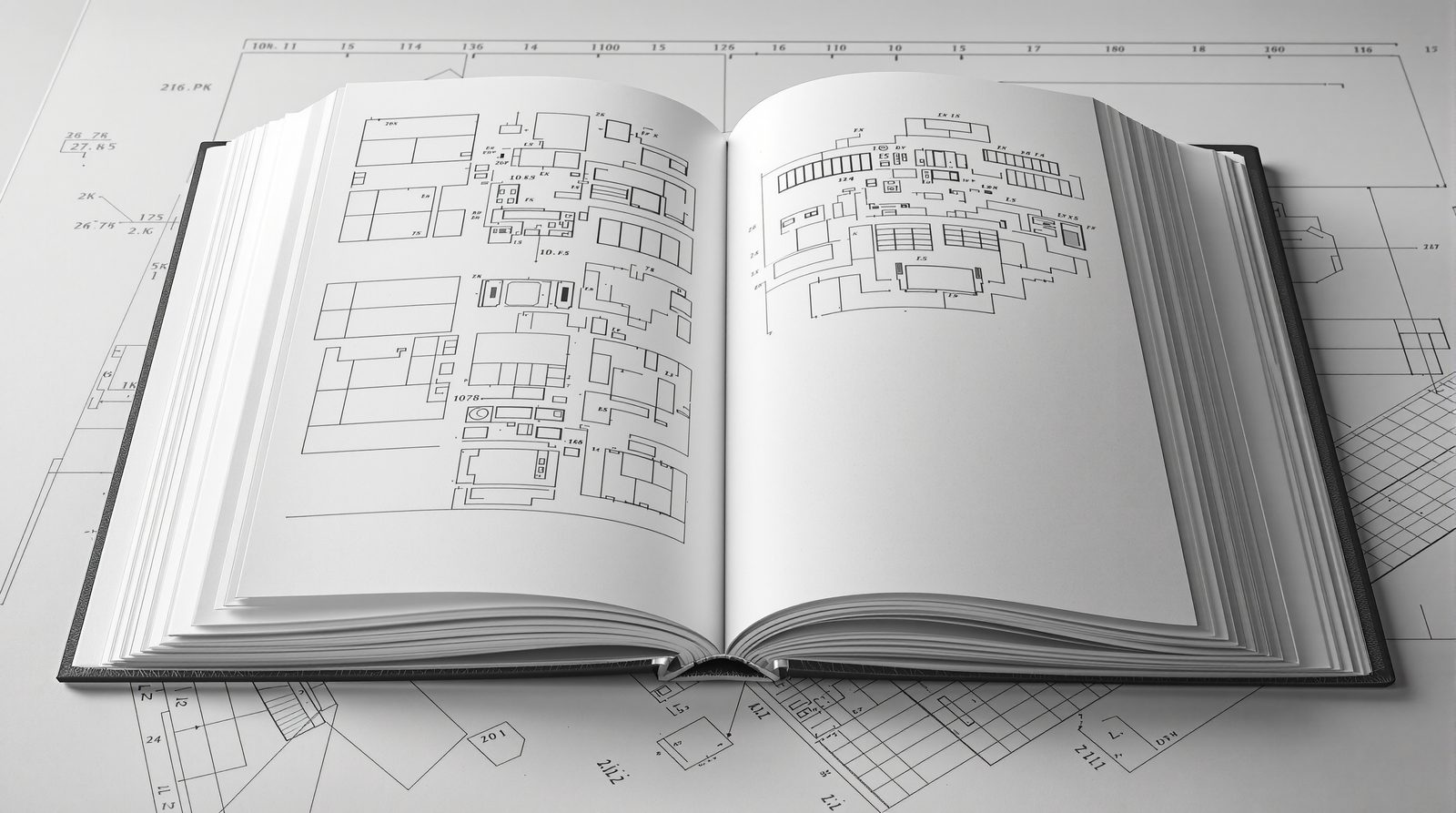
Most packaging guides online come from people who have never stood at a printing press or checked a dieline count against a cutting mat. Ours come from the other direction. We design, print, die-cut, and assemble custom boxes and bags ourselves, and the guides on this page are pulled straight from the questions our design and production team fields every week — from a first-time founder squinting at a dieline proof to a procurement manager double-checking dimensions before a freight quote goes out.
There is no sales pitch built into any of these. Each guide below answers one specific question about product packaging as plainly as we would explain it standing next to the machine that makes the thing, using the same terms our own crew uses in production. Between them they cover the four decisions that determine whether a custom packaging project runs smoothly or stalls: the drawing, the dimensions, the board, and the design work that sits on top of all three. Start wherever your project currently has you stuck.
What Is a Dieline?
A dieline is the flat, two-dimensional template that shows exactly where a box gets cut, scored, folded, and glued — the blueprint a printer and a die-cutting press both work from before a flat sheet of board becomes a finished box. Every piece of custom packaging we make starts on one, whatever the format. If you have ever been handed a file covered in solid and dashed lines with no explanation of what any of them mean, that is exactly the gap this guide closes. Our dieline guide walks through what each line type represents, how a dieline differs from finished artwork, and where structural design and graphic design meet on the same drawing.
How to Measure a Box for Custom Packaging
Getting box measurements wrong is one of the most common reasons a prototype does not match what a customer expected. Inside dimensions versus outside dimensions, and which order length, width, and height belong in, sound simple until you are standing over a product trying to decide what number actually belongs on a quote request. The same three numbers follow the job all the way through, from dieline to press to the shipping carton the finished boxes travel in. Our box measurement guide covers the L x W x H convention we use in production, why inside dimensions matter more than outside ones for fit, and how to measure an irregular or fragile item without damaging it.
Corrugated Box 101: Flutes, Walls, and Board Grades
Corrugated board reads as a single material until you actually have to spec it. Flute size, wall count, and board grade all change how a box performs under weight and impact, and getting one of them wrong shows up later as crushed corners or a box that costs more than the product inside it needed. Choosing between packaging materials is mostly this: matching what the goods weigh and how far they travel against what a given board can carry. Our corrugated box guide breaks down flute profiles, single-wall versus double-wall construction, and how we match board grade to product weight before a job goes to production.
What Is Packaging Design?
"Packaging design" gets used to mean two different things — the structural engineering that makes a box fold, close, and survive shipping, and the graphic design that makes it sell off a shelf — and treating them as one and the same is where a lot of projects lose time early. It is also where retail packaging and e-commerce packaging start to diverge, because a box that has to win a shelf and a box that has to survive a parcel network are being designed against different tests. Our packaging design guide separates structural design from graphic design, walks through where each one starts in our own process, and shows how the two come together on a single dieline before anything goes to print.
Packaging Guides Written by the Team That Builds It
These four guides are a starting point, not a full library. Between them they cover the different types of question that come up before a first run: what the drawing means, what the numbers mean, what the board can carry, and what the design is actually responsible for. We add to this page as new questions come up in our own production, and every guide here is written by the same team that designs and builds the packaging it describes — so what you read matches what actually happens once a job goes into production. If a guide leaves you unsure which way to go on your own product, that is usually a sign the answer depends on the brand and the run, and it is worth a conversation rather than a rule of thumb.