
Packaging
Custom Shippers
Master cartons sized and graded around case quantities, pallet configurations, and the freight lane they have to survive — designed and manufactured in New York City.
Base Style
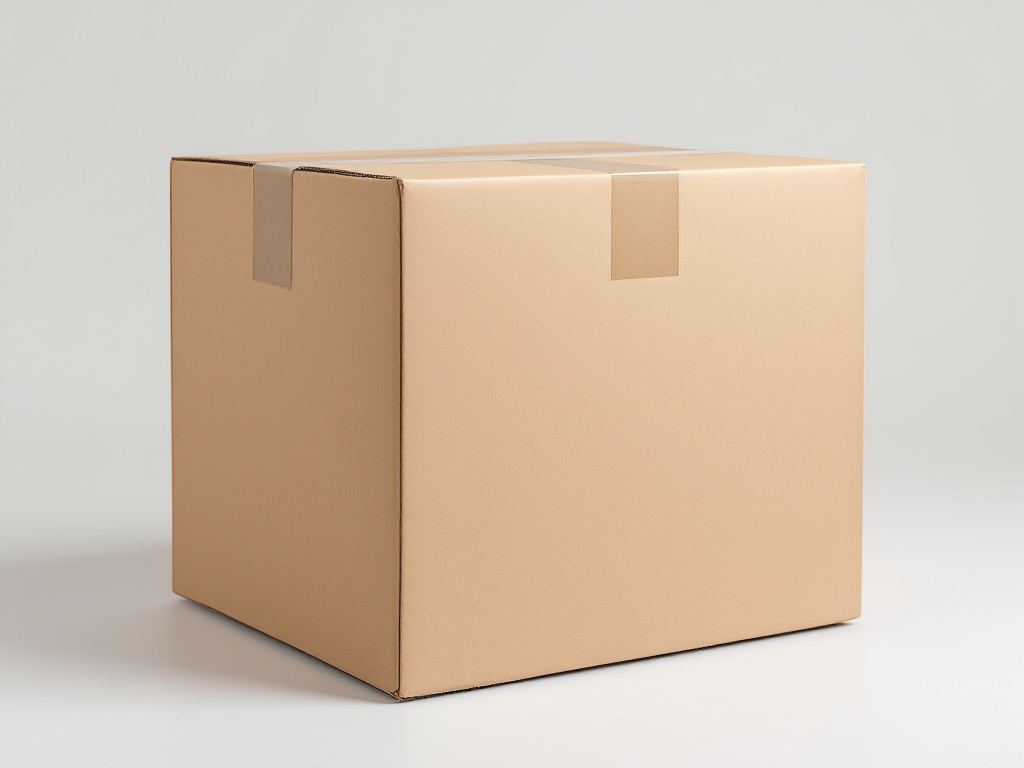
Most built on a regular-slot design
Board Grades
Single-wall to double-wall, following the load
Protection
Corrugated trays, die-cut dividers, foam or corrugated pads
Testing
Prototypes loaded to target weight before a spec is locked
A custom shipper isn't the box a customer opens — it's the box that keeps a case of them alive from pack-out to the truck. We design and produce custom shippers in New York City — printed or blank — sizing and grading each master carton around case quantities, pallet configurations, and the freight lane it has to survive, not around a single unit sitting on a porch. If you're packing individual orders for direct-to-consumer delivery, that's a different job with a different box — see our custom shipping boxes for the parcel-level format. Both are custom boxes cut from corrugated cardboard, in the end — just built to survive completely different trips: one to a doorstep, one to a loading dock.
Master Shippers vs. Retail Boxes: Two Different Jobs
A retail box is designed to be seen — it sells the product on a shelf or in an unboxing video, and it's built to survive one trip in reasonably gentle hands. A master shipper never gets that treatment. It's loaded with a dozen, a gross, or a few hundred retail units, stacked on a pallet, forklifted onto a truck, and handled by people who have no reason to treat it gently, because it isn't meant to be — it's meant to get opened once at a distribution center or stockroom and recycled. Confusing the two roles is how brands end up either over-engineering a retail box to survive freight, which is expensive, or under-engineering a shipper because it "just holds boxes," which gets expensive in a different way once the freight claims start coming in.
Case Packing and Master Carton Construction
Case packing starts with a count: how many retail units fit per case, how they're oriented, and how much dead space is left once they're loaded. We build most master shippers on a regular-slot design — the standard four-flap corrugated case — because the format folds flat for storage before a run and forms a full self-locking closure once it's packed, without extra hardware. Board grade follows the load: single-wall for lighter, lower-count cases, double-wall when a case is carrying glass, electronics, or anything getting stacked several pallets deep.
Box Styles, Flute, and Board Grades for Custom Shippers
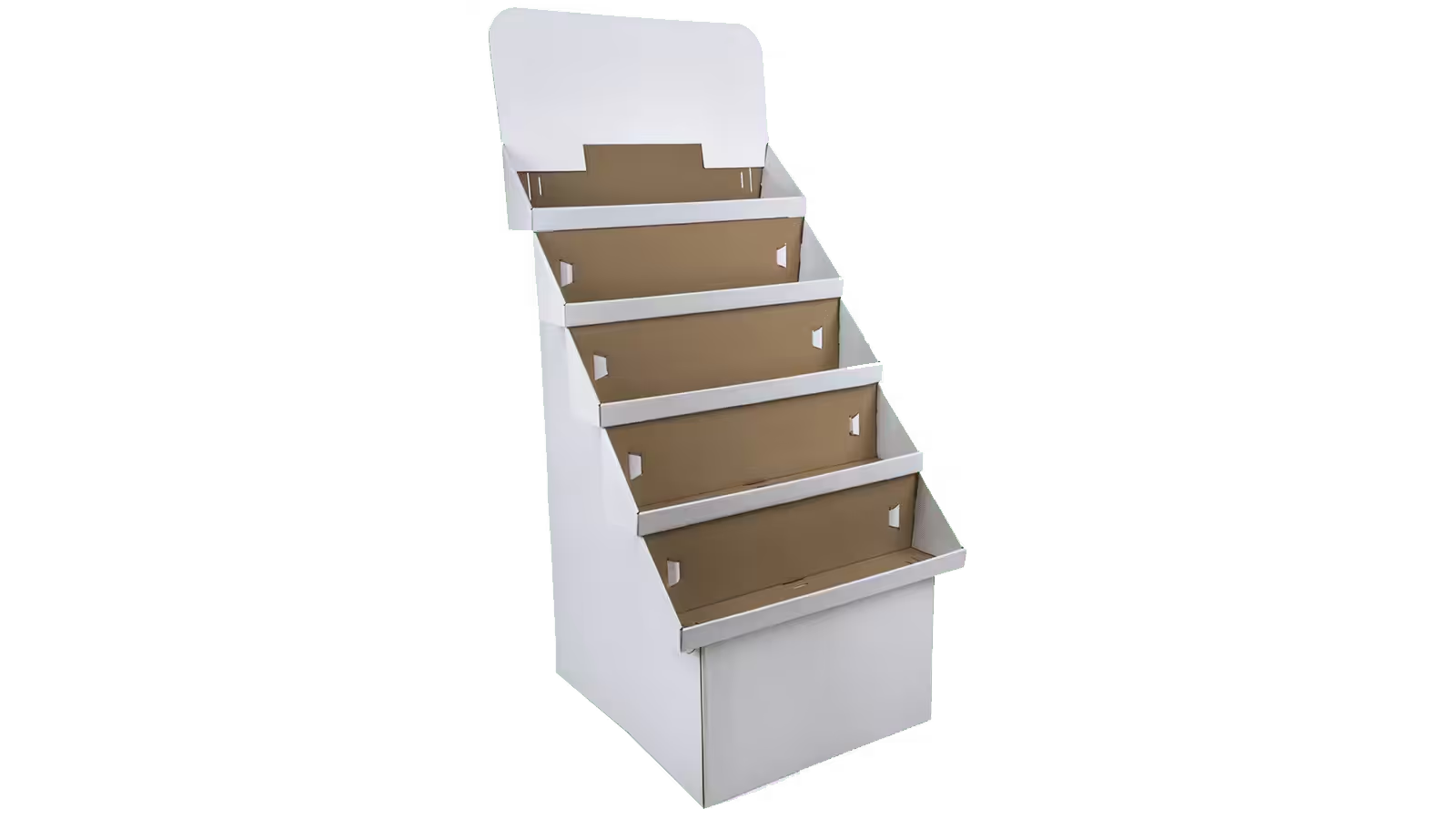
Every master shipper we build starts from one of a handful of proven box styles — almost always the regular-slotted design above, occasionally a full-overlap or telescoping style when a case has to survive extra-heavy stacking. From there, a corrugated box is really a combination of flute and board grade layered on top of that style. A C-flute corrugated box is the shipping default: enough crush resistance for a stacked pallet without adding bulk a case doesn't need. When a shipper doubles as the first thing a retail buyer sees at a distribution center — or gets set out as an in-store display rather than broken down in a back room — we'll sometimes spec a B flute instead, because the tighter corrugated cardboard profile holds a sharper custom-printed logo or SKU panel than a standard C-flute run. Either way, box dimensions get set from the pallet pattern first and the case count second, so a custom box design that looks right on a screen still stacks the way the freight lane needs it to. Our corrugated box guide walks through how those three specs combine, and the rest of the formats we build sit in the custom boxes catalog.
Building Pallet Loads That Hold Up
Palletization is where a lot of freight damage actually starts, and it usually isn't the case itself that fails — it's the load. We spec case dimensions to stack in interlocking, column-stable patterns on a standard pallet footprint, so a load doesn't lean, shift, or telescope under stretch wrap on a long haul. A case built to a stock size that doesn't divide evenly into a pallet layer wastes cube space and leaves gaps a load can shift into; a case built to the pallet pattern first stacks tight and travels straighter.
Protective Inserts for Case Quantities
Multiplying a fragile-item problem by a case count multiplies the risk if nothing separates the units inside. We build corrugated trays and die-cut dividers that nest inside a master shipper to hold each retail unit in its own cell, so nothing rattles, shifts, or crushes its neighbor over a multi-leg freight route. For bulkier or irregular product, foam or corrugated pads do the same job with less precision and lower cost per case — the choice comes down to unit fragility and how much per-case protection the margin can absorb.
Custom Shipping Packaging for Distribution Programs
Most brands don't buy a shipper on its own — they buy a shipping packaging program, and the master carton is only its outer layer. A finished spec usually stacks three decisions: the retail box the customer sees, the insert or tray that holds it steady inside the case, and the shipper that carries the whole count to a dock. Custom shipping packaging works when those three get drawn together, because a retail box sized to a shelf and a case sized to a pallet rarely agree on their own. We draw all three from the same dieline set, which is also where case markings, orientation arrows, and SKU panels get placed — printed onto the case rather than applied as a label that peels off somewhere between the warehouse and the store. That's custom packaging in the fullest sense — branding printed from the same dieline that defines the structure, not a logo applied after the fact, so a shipper carries a brand without a separate production step.
Shipper Packaging Built for Freight Durability
A shipper that passes a drop test on a warehouse floor doesn't automatically survive a cross-country LTL route with three transfer points. We prototype master cartons on-site, load them to target weight, and check crush resistance, flap retention, and stacking strength against the actual freight profile — parcel, LTL, or full truckload — before committing a spec to a production run. That's the advantage of keeping shipper engineering and dieline work together: a failed prototype gets reworked the same week, not shipped back overseas for a second try.
Custom Shippers for Small Businesses and First Production Runs
A first production run is where the shipper spec most often gets skipped — the retail box takes all the attention, and the case it travels in gets ordered as a stock size at the last minute. That's usually the box that fails. Because we manufacture in New York, we can run smaller shipper orders than most overseas converters, so a small business doesn't have to commit to a container load of master cartons to get one sized correctly for its product. We'd rather cut a prototype, load it to the weight the case will actually carry, and lock the spec at whatever quantity you need now — then reorder against the same dieline once volume grows, without redrawing anything. That's true whether you're placing one order for a plain C-flute case or scaling a full custom packaging program across multiple products and a B-flute shipper built to double as a display.
Custom Shippers FAQs
What's the difference between a shipper and a shipping box? A shipping box is sized to one product for parcel delivery to a single customer. A shipper, or master shipper, is a larger case built to hold multiple retail units for freight, palletized shipping, or distribution to a warehouse or retail location, and it's engineered for stacking and handling loads rather than a single doorstep drop.
How many units should go in a master shipper case? It depends on unit weight, case weight limits for your freight method, and how the count divides into a clean pallet layer. We work backward from your retail unit dimensions and target pallet configuration to land on a case count that stacks efficiently and stays under practical handling weight.
Do custom shippers need protective inserts? Not always, but any case carrying fragile, heavy, or irregularly shaped units benefits from a tray, divider, or pad that keeps them separated. We evaluate that during prototyping — fragile product almost always earns the extra insert cost back in reduced freight damage claims.
Are custom shippers cost effective compared to a stock box? For most order volumes, yes. A stock case that doesn't match your product wastes board and dead space on every unit, and that waste compounds across a full pallet order. A shipper cut to your actual case count and pallet pattern — from the same corrugated cardboard stock as your retail box — is more cost effective the moment volume clears a modest minimum, because you stop paying to ship air. It's the same logic behind the rest of our custom boxes: whichever box styles and board grade you land on, a size built for the product beats a stock size once you're ordering by the pallet.
VSL Packaging — 239 West 29th Street, Ground Floor, New York, NY 10001
Related Formats
Price Your Run
Product dimensions, quantity, and any finish ideas — we will quote structure, material, and print.