
Boxes
Custom Rigid Boxes
Set-up boxes built from thick, non-bending chipboard and wrapped in a separate decorative paper, cloth, or textured stock — designed, prototyped, and produced in New York City for jewelry, cosmetics, spirits, and corporate gifting programs.
Construction
Rigid chipboard core with a separate wrap
Wrap Stock
Matte, gloss, satin, or soft-touch paper
MOQ
Quoted per project, not off a fixed minimum
Prototyping
Hand-assembled sample before production tooling
A rigid box tells your customer something before they've read a single word of copy: this is the good stuff. We build custom rigid boxes in New York City for brands that need packaging to carry real weight in the hand — jewelry houses, cosmetics labels, spirits brands, corporate gifting programs — and every custom rigid packaging program moves from the first sketch to the finished pallet with one team.
What Makes a Box "Rigid"
Rigid boxes, sometimes called setup boxes, are built differently than the folding cartons most retail packaging uses. Instead of scoring and folding a single sheet of paperboard, we cut and assemble panels of thick, non-bending chipboard or plainboard, then wrap the whole structure in a separate decorative paper, cloth, or textured stock. That two-part construction — rigid core plus wrap — is what gives a setup box its weight, its silent-close lid action, and its resistance to crushing in transit. It also means the box holds its shape permanently; it never flattens for shipping the way a folding carton does, which is part of why rigid packaging delivers a premium unboxing experience the moment someone picks it up.
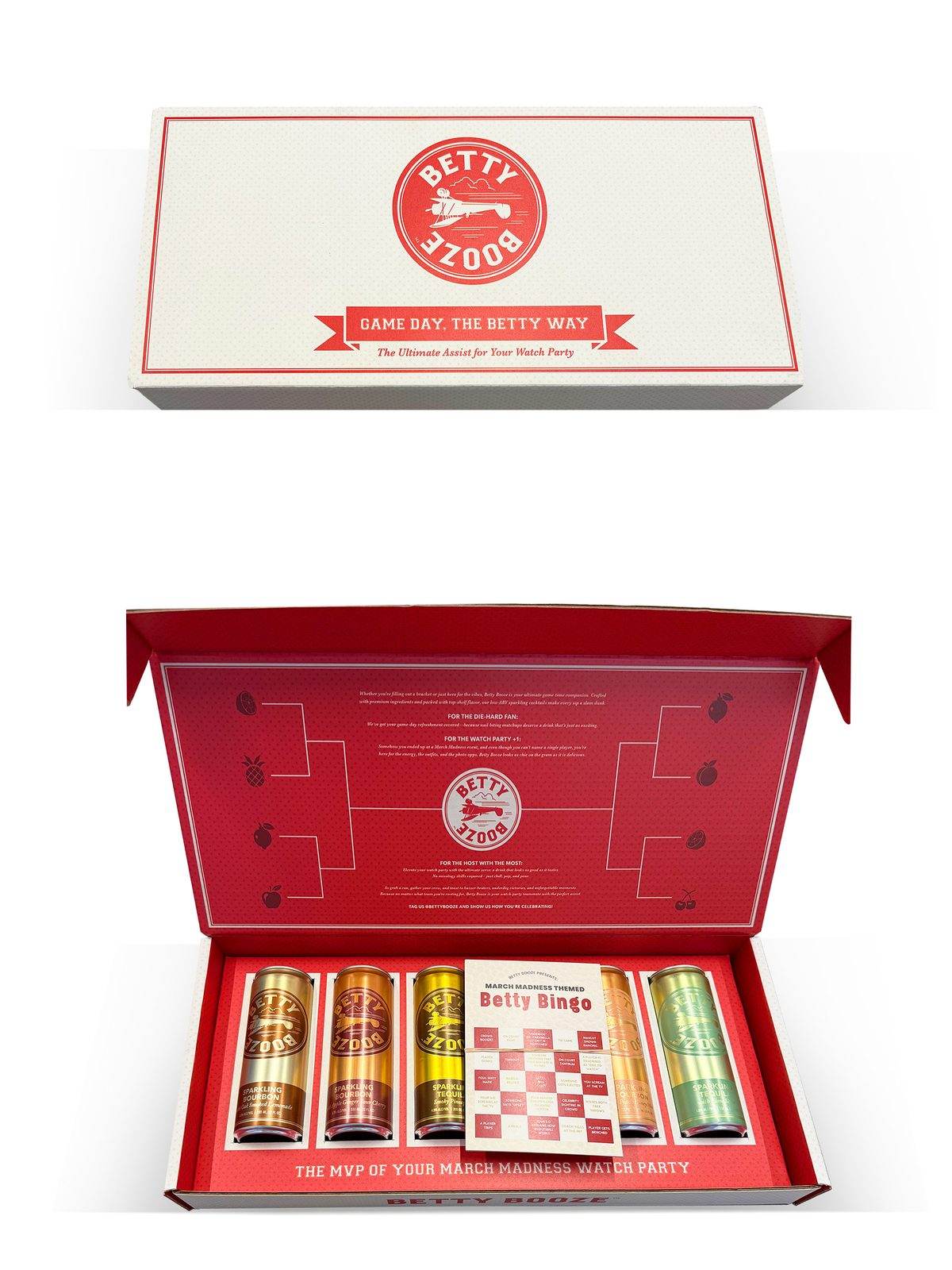
Custom Magnetic Boxes and Closure Styles
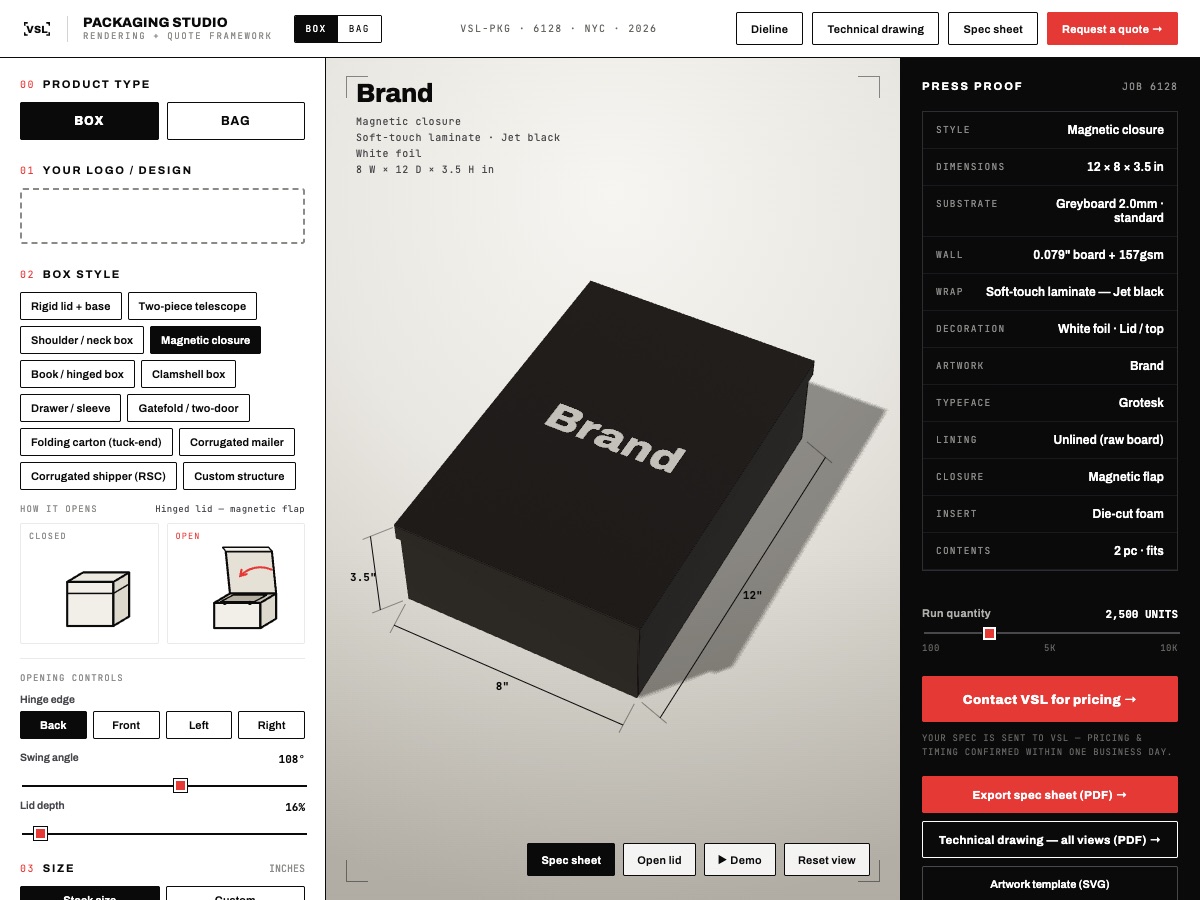
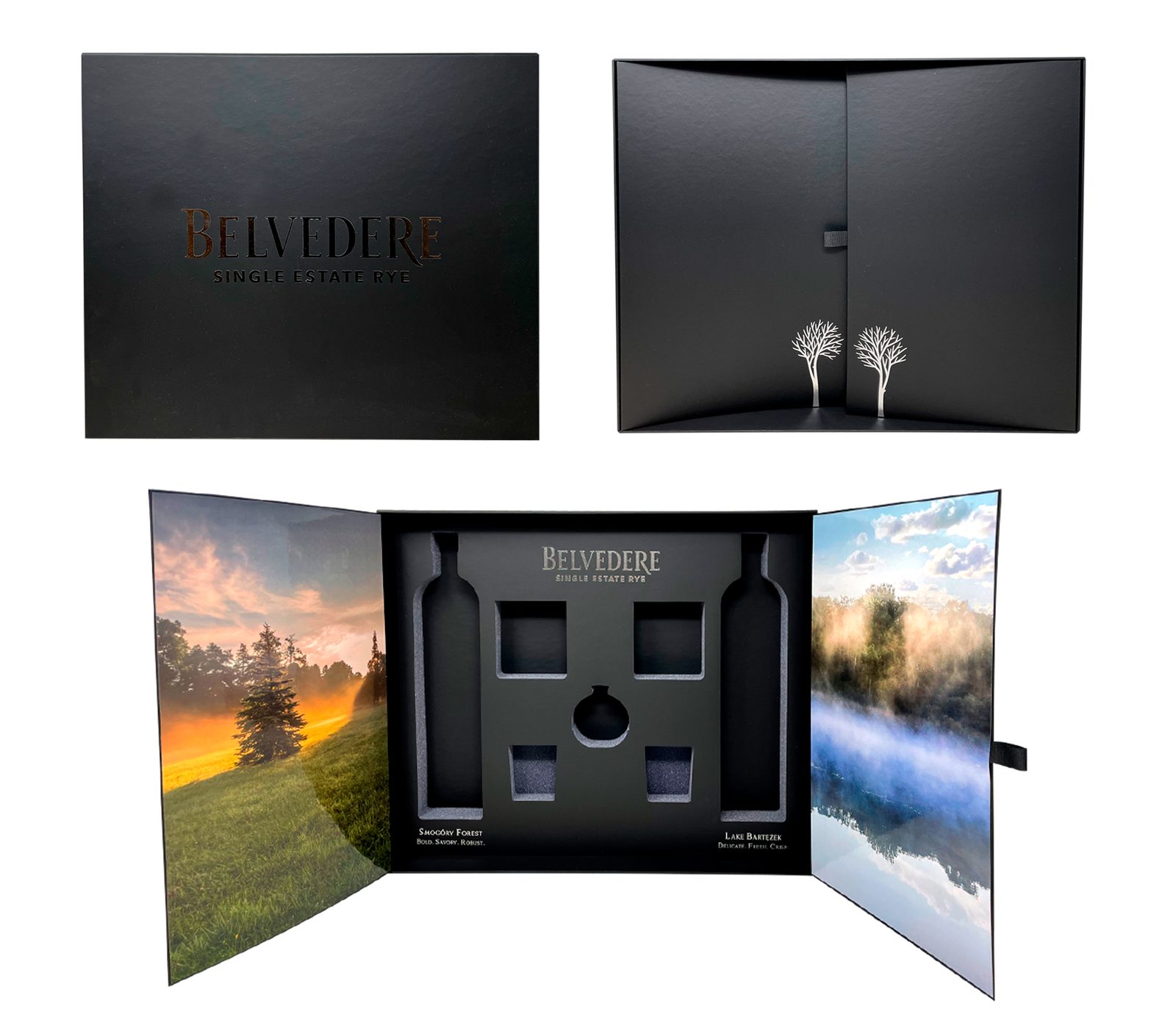
Magnetic closure is the style most people picture when they think "luxury box," and for good reason — a hidden magnet gives the lid a soft resistance and a satisfying pull that plain friction-fit lids can't match. We produce it alongside several other rigid formats depending on how the product needs to present and ship:
- Magnetic closure boxes — concealed magnets in the lid and base for a clean, seamless open
- Two-piece (base-and-lid) boxes — the classic setup-box silhouette, prized for structural strength
- Drawer boxes — a sliding inner tray inside an outer sleeve, common in cosmetics and jewelry
- Sleeve boxes — a slim outer sleeve over a rigid inner tray, good for a reveal moment
- Die-cut and window boxes — custom-shaped cavities or clear panels that show the product without opening the box
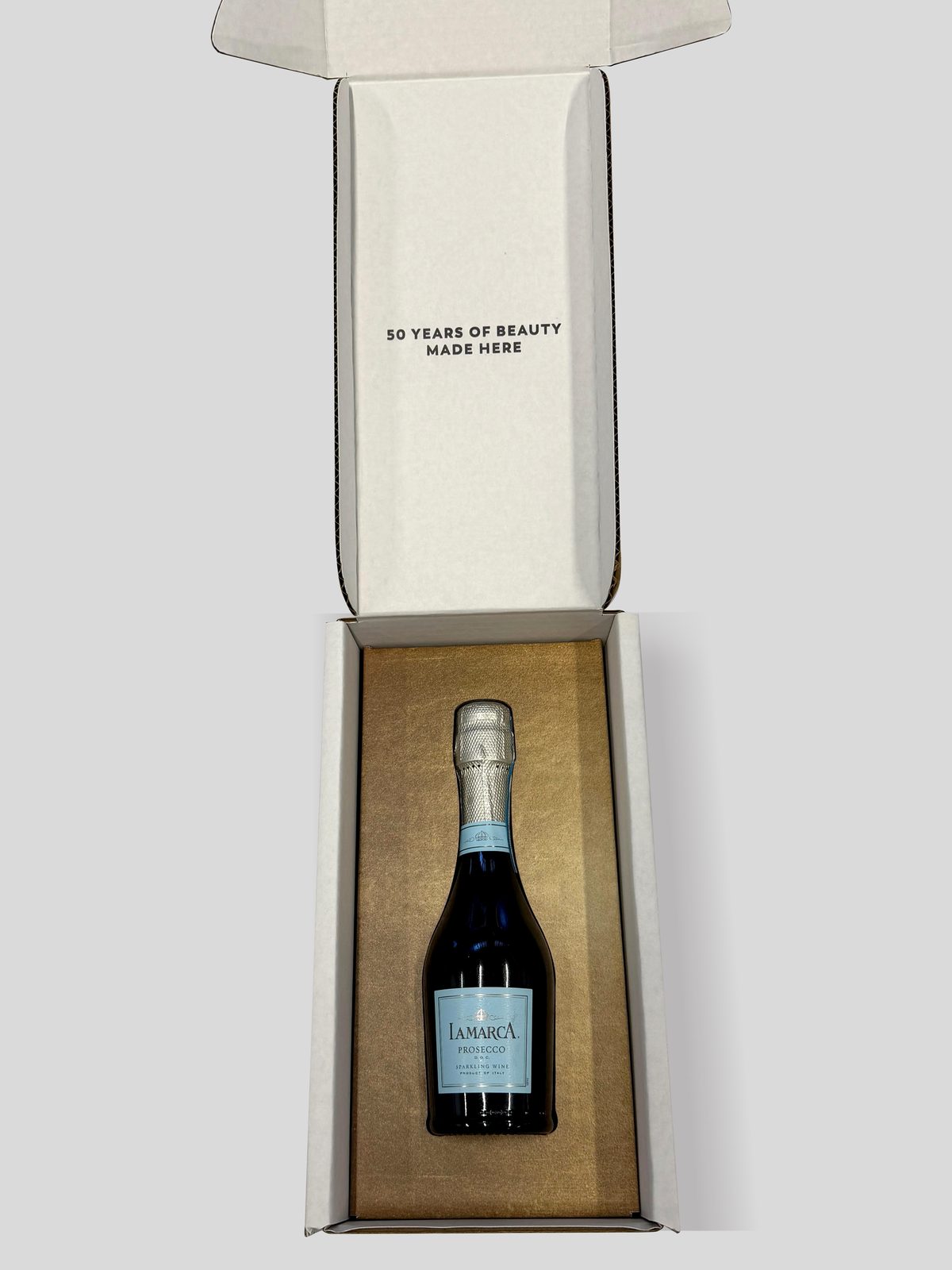
Foam, velvet, or custom-cut paperboard inserts can be built into any of these to hold a specific product in place, which matters most for fragile or high-value items that need to arrive without shifting.
Wrap Materials and Finishes
The wrap is where most of the branding decisions happen. We work with matte, gloss, and satin wrap papers, along with soft-touch stock that gives the box a suede-like texture under the hand — a finish that tends to slow people down and make them look twice before they open it. Beyond the base wrap, we offer embossing and debossing to raise or recess a logo directly into the surface, foil stamping for metallic accents, and spot UV for glossy highlight areas against a matte field. CMYK and Pantone color matching keep brand colors consistent from proof to production run. All of our paperboard is FSC-certified, and we print with soy-based inks and water-based adhesives, so the sustainability story doesn't have to be a trade-off against the premium look.
Luxury Packaging Boxes for Jewelry, Beauty, and Gifting
Rigid construction shows up most often in categories where the unboxing moment is part of the product experience. It's become close to standard across luxury goods packaging, where the box needs to signal quality before a customer even reaches the product inside. For jewelry packaging specifically, we build smaller-format rigid boxes with fitted foam or velvet inserts that hold a ring, watch, or pendant securely while still opening with the kind of ceremony the piece deserves. The same construction serves cosmetics and fragrance lines that need durable protection on crowded retail shelves, and corporate gifting programs where rigid gift boxes turn a standard client gift into something worth keeping.
Working With a Rigid Box Manufacturer
Rigid box packaging gets brokered more often than most buyers realize. Setup boxes are assembly-intensive, so a fair amount of what's sold as custom work is placed with an outside plant — which is why quotes for the same spec can come back a long way apart on both price and calendar. When you're comparing rigid box manufacturers, the useful questions are practical ones: who cuts the chipboard, who wraps and assembles it, who holds the die, and who you talk to when the lid tension isn't right on the sample.
We answer all four the same way: one New York City team handles design, prototyping, die-cutting, wrapping, and assembly, so a change to lid depth or a Pantone correction doesn't add a vendor handoff and a shipping leg. It also means the sample you approve came off the same equipment that will run the job — not a given when a supplier's prototypes and production come from different places.
Wholesale Rigid Boxes and Repeat Programs
Wholesale rigid boxes work differently from a one-off launch run. The first order carries the engineering: the dieline, the wrap spec, the insert fit, and the tooling that follows from them. Once that's proven, a rigid box wholesale reorder runs against a locked spec, and the conversation shifts from setup to volume. Because we scope MOQs per project rather than off a fixed minimum, it's worth telling us the annual picture and not just the first purchase order — a program that repeats quarterly gets tooled differently than a single seasonal run.
MOQs and Prototyping
Rigid tooling carries a higher setup cost than folding cartons, so minimum order quantities tend to run higher too — but we scope MOQs project by project rather than quoting off a fixed minimum, and we can usually accommodate a smaller first run for a brand that's testing a new line. Every rigid box program starts with hands-on prototyping at our shop: we cut, wrap, and assemble a physical sample so you can check hinge tension, lid drop, and closure feel before we commit to production tooling. If your volume doesn't justify rigid tooling yet, folding cartons deliver a comparable premium look at a lower minimum while you build up to it. Once a design is approved, our die-cutting and assembly process scales from short custom runs to high-volume retail orders without changing hands between vendors.
Frequently Asked Questions
What's the difference between a rigid box and a folding carton? A rigid box uses thick, non-bending chipboard wrapped in a separate decorative paper, so it holds its shape permanently and feels substantially heavier in the hand. A folding carton is a single scored sheet that ships flat and folds into shape at the point of use — lighter-duty, more affordable, and better suited to high-volume shipping.
What's a typical minimum order quantity for custom rigid boxes? It depends on the box style, dimensions, and finishing, since rigid tooling has more setup work than a folding carton. We quote MOQs per project and can often work with a smaller first run for brands prototyping a new product line — ask us for a number specific to your box.
Can I get a physical sample before committing to a full production run? Yes. We build a hand-assembled prototype in-house for every rigid box program so you can check the wrap, the closure, and the fit before we cut production tooling — it's a standard part of how we work, not an add-on.
Start Your Rigid Box Project
Our team designs, prototypes, and produces custom rigid boxes in New York City, from initial concept through finished production. Request a quote and we'll walk through construction, materials, and MOQs for your rigid box packaging project.
VSL Packaging — 239 West 29th Street, Ground Floor, New York, NY 10001 Phone: 1.646.843.0800 · Email: sales@vslpackaging.com
Constructions & Use Cases
Ways We Build This Format
Price Your Run
Product dimensions, quantity, and any finish ideas — we will quote structure, material, and print.