Industry
Sports packaging engineered for the specific product inside it rather than a generic box that happens to fit — a rigid box for cleats, a mailer for a moisture-wicking shirt, a reinforced carton for a 25-pound kettlebell, and a wholesale case shipping forty units to a regional retailer, often in the same production run.
What This Industry Runs

A sporting goods line asks a wider range of things from a box than almost any category we produce. A single brand might need a rigid box for cleats, a poly mailer for a moisture-wicking shirt, a reinforced carton for a 25-pound kettlebell, and a wholesale case shipping forty units to a regional retailer — often in the same production run. Sports packaging succeeds or fails on whether it's engineered for the specific product inside it, not a generic box that happens to fit.
We manufacture sports packaging and sporting goods packaging in New York City, from first prototype through full production. That matters here because so much of the category is physically demanding on the box itself — sharp edges, uneven weight, and hard corners that punch through underspecced board if the flute and caliper weren't chosen for the product.
Sporting goods packaging isn't one box style — it's a set of formats matched to what's inside.
Equipment — balls, rackets, weights, protective gear, fitness accessories — generally needs rigid corners, high burst strength, and internal bracing so the product can't shift and abrade the box or itself in transit. We build these as double-wall cartons or foam-fitted rigid boxes depending on unit value, with die-cut inserts that lock a bat, a helmet, or a set of dumbbells in place instead of letting it rattle.
Apparel — jerseys, base layers, team uniforms — is a different problem. It's about presentation and fabric protection, not crush resistance, so we typically spec lighter board or poly construction, moisture-resistant coatings, and folding that keeps a printed jersey wrinkle-free. Brands shipping a mix of gear and apparel in one order often pair a custom shipping box for the outer carton with lighter interior packaging for the soft goods.
Accessories — grips, laces, small fitness tools, supplements — usually run through smaller folding cartons or mailer boxes, where the packaging becomes a retail or unboxing touchpoint since the item alone often isn't self-explanatory on a shelf.
A lot of sporting goods packaging fails for the same reason: the product is heavier, sharper-edged, or more oddly shaped than a standard box was designed to handle. A 20-pound plate set or a hard-shell helmet stresses corners and score lines in ways a T-shirt never will. We spec board weight, flute type, and corner reinforcement to the actual product — heavier double-wall or triple-wall corrugate for weighted equipment, foam or paperboard bracing for hard edges, and reinforced bottoms for cartons stacked deep in a warehouse. It's why a box built for weighted equipment almost never shares a spec with one built for apparel.
We also test before a design goes to production, not after the first damage claim. Drop, compression, and edge-crush testing on a sample catch a weak score line or an undersized flute while it's still a cheap fix — a single die change instead of a full reprint once product starts arriving broken.
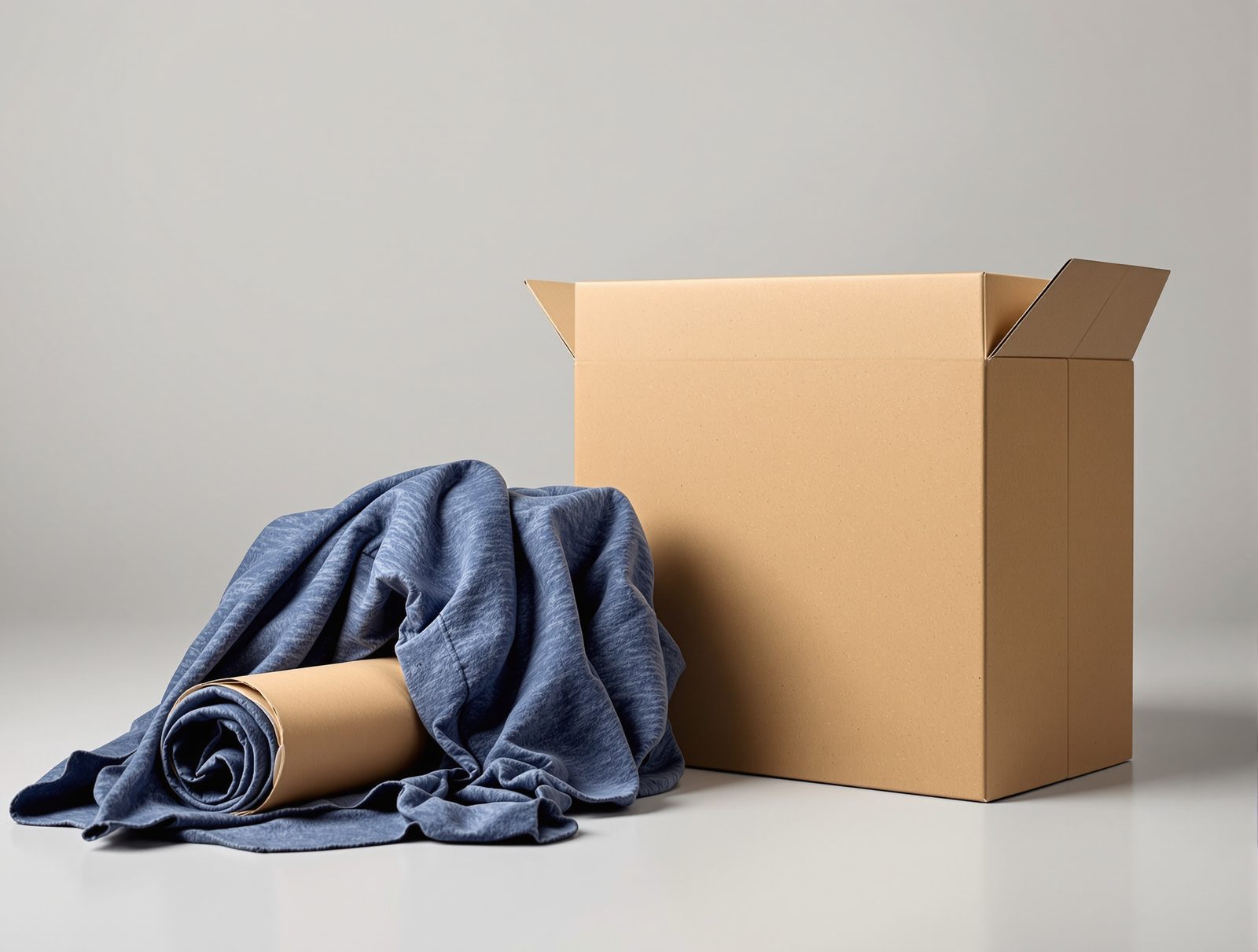
A meaningful share of the sporting goods category ships in bulk rather than one unit at a time — a distributor moving cases of the same item, a league outfitting a roster with identical uniforms, or a retailer ordering pallets ahead of a season. Wholesale volume needs a different structure than a retail box: a bulk case built to protect a full pallet load, sized to maximize truck and shelf space rather than display presentation. We build these as RSC-style cases sized to the case pack, which keeps freight costs down and gives a warehouse crew a box that stacks cleanly and opens fast.
Team and league programs add another layer — batches of the same uniform, bag, or gear set that need to arrive identical and on schedule for a season start. We run these as repeat production against a locked spec, so a mid-season reorder matches the first batch exactly instead of drifting in size, board weight, or print color. Brands running team apparel alongside their equipment lines often work with us on apparel packaging built to the same schedule.
Direct-to-consumer fitness and sports brands compete on the unboxing moment as much as the product itself — a resistance band set, a supplement bundle, or a piece of home gym equipment often arrives with no retail environment around it, so the box does all the brand-building a store shelf would otherwise handle. We produce branded mailers and printed shippers for DTC fitness brands that need a box sturdy enough to survive a parcel network unassisted, while still opening into a designed, photograph-ready moment — bold graphics, foil or spot-gloss logos, and finishes we print ourselves so color stays consistent from a small prototype run through a full season reorder. Eco-friendly stock runs through the same finishing line, so a sustainable relaunch doesn't mean switching vendors.
Custom sports packaging covers a wider range of shapes than most categories we produce for, so we don't start from a stock template. Custom sports boxes for equipment get rigid corners and internal bracing; a lighter accessory line might just need a folding carton and a printed sleeve. Teams asking for gear cases or accessory boxes get the same prototyping process regardless of order size. When a distributor wants something simpler for a bulk reorder, kraft sports boxes — uncoated, recyclable board with a single-color print — keep cost down without sacrificing crush resistance. Whatever the format, custom sports packaging boxes come from the same process as everything else we build, with design support quoted as part of the job for teams that don't have finished artwork yet, and minimum order quantities low enough that a first run doesn't have to fill a warehouse. Eco-friendly materials go in where a brand wants them — recycled-content board and water-based inks instead of a default kraft roll — so a sustainable sports line doesn't have to give up structural performance to get there.
What's the difference between packaging for sports equipment versus sports apparel? Equipment packaging is built around structural protection — rigid corners, foam or die-cut bracing, high burst strength — because the product itself can damage the box or get damaged in transit. Apparel packaging is built around presentation and fabric care — lighter materials, moisture resistance, and folding that keeps garments wrinkle-free.
Can you handle a wholesale order alongside our regular DTC packaging? Yes. We run both through the same process, so a bulk case order for a distributor and a smaller batch of branded mailers for direct orders share the same spec sheet, die lines, and print files.
Do you test packaging for heavy or sharp-edged sporting goods before full production? We do. Drop, compression, and edge-crush testing on a sample catches an undersized flute or a weak score line while it's still a quick fix rather than a reprint.
Do you have a minimum order quantity for custom sports boxes? We keep our minimum order quantity low enough for a single-team order or an early-stage brand's first run of custom boxes, and custom sports boxes scale from there without resetting the dieline or the print files.
Whether you're packaging equipment, team apparel, or a DTC fitness product line, we prototype and print in New York City, and can take a sports packaging project from sketch to full production run in one process.

Considerations
Related Industries
Tell us the product, the channel, and the quantity — we'll map boxes, bags, and mailers to one program.