VSL Packaging — NYC custom packaging company

Industry

Pharmaceutical Packaging Built for Compliance and Protection

Custom pharmaceuticals packaging built in New York City — cartons, trays, shippers, and retail display units engineered around the primary container your product already ships in. Secondary packaging built to pharmaceutical-grade tolerances, not a primary-contact converter line.

Pharmaceutical packaging by VSL Packaging

What This Industry Runs

The Formats Pharmaceutical Brands Order

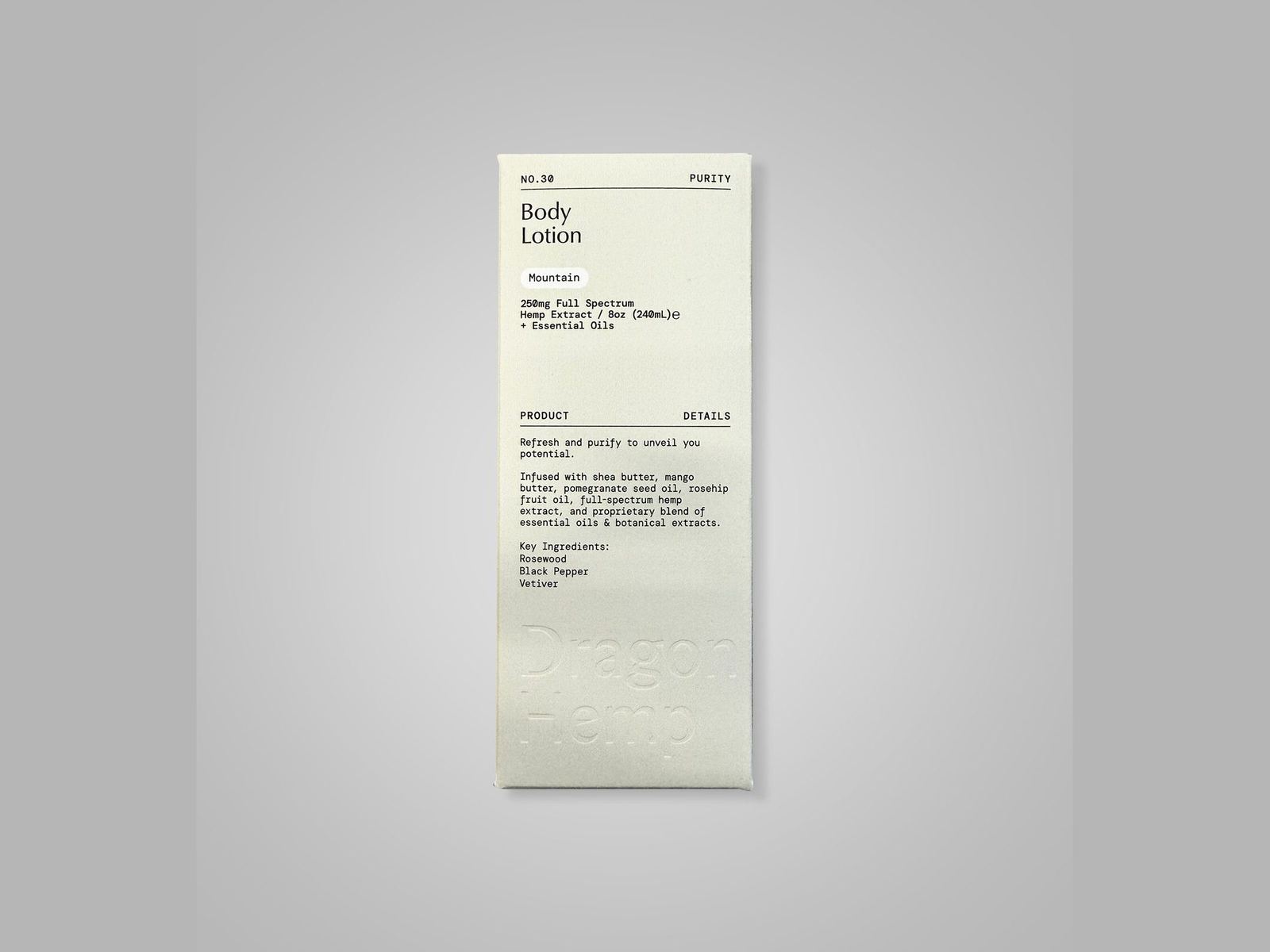
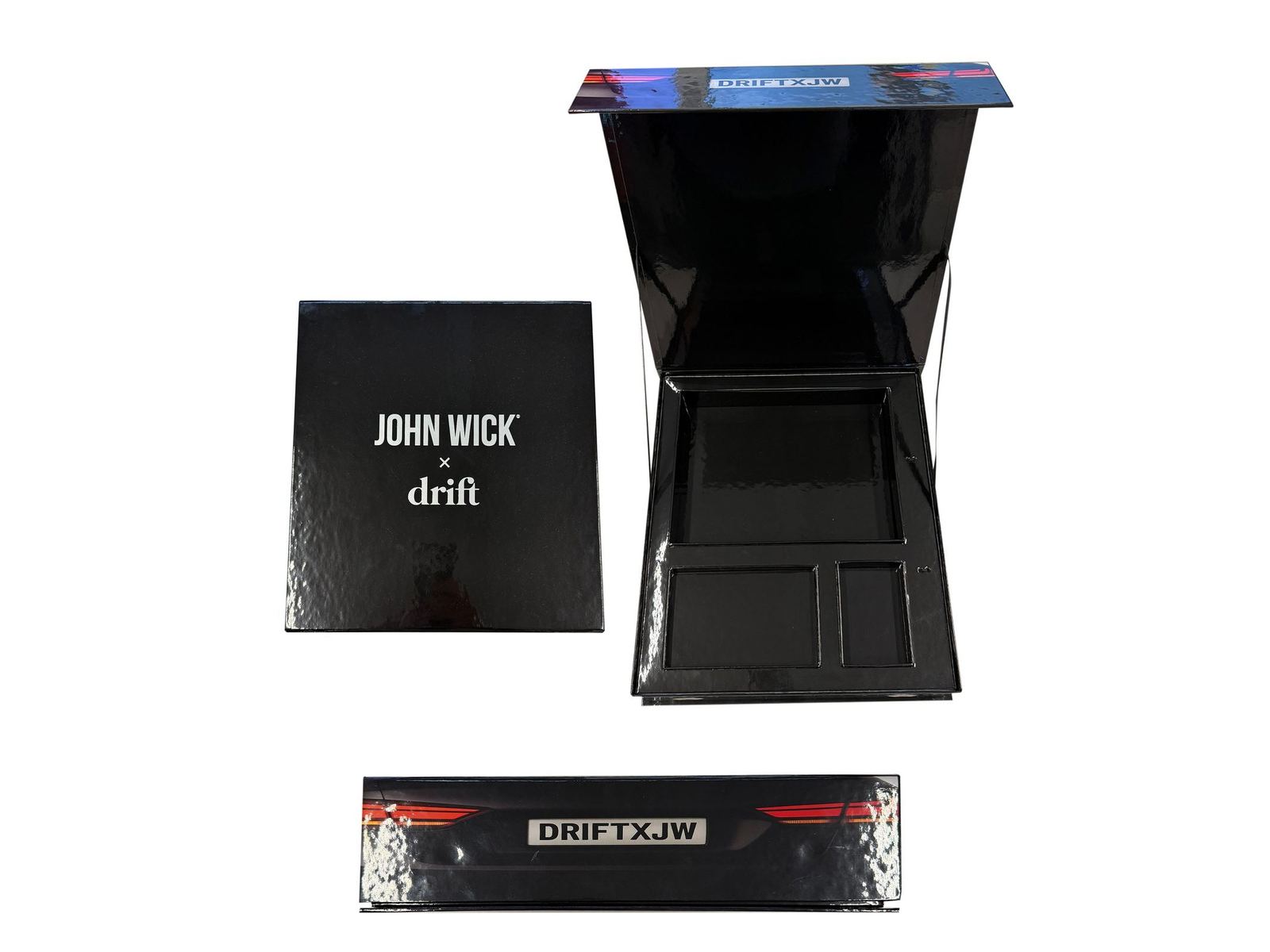
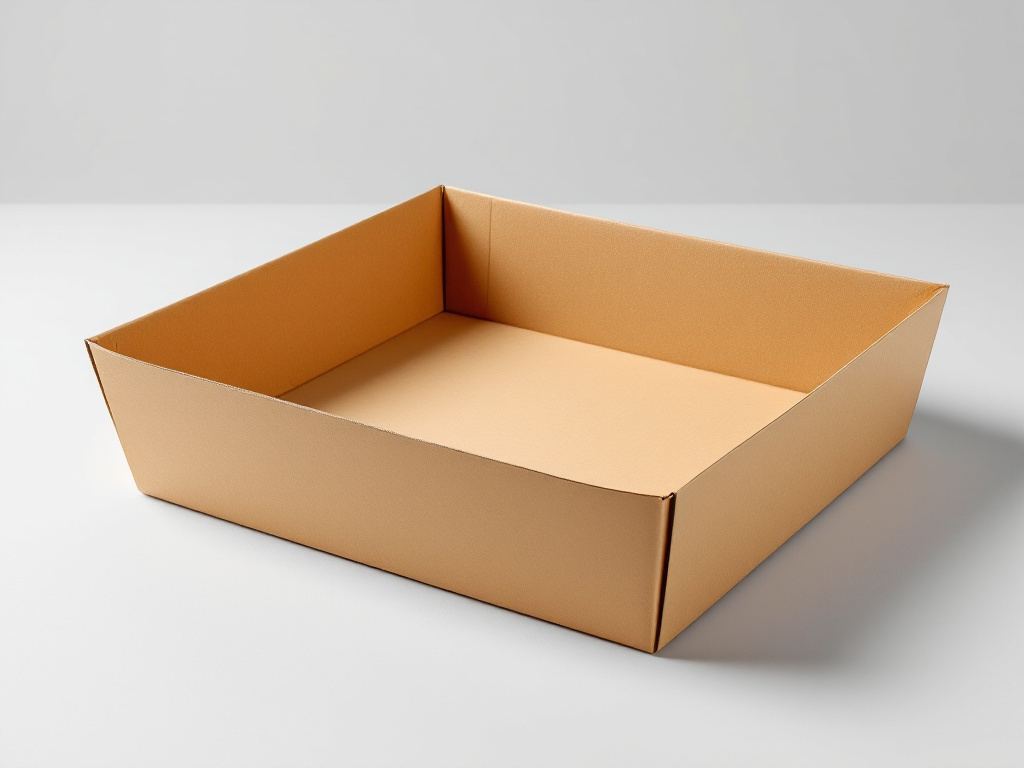
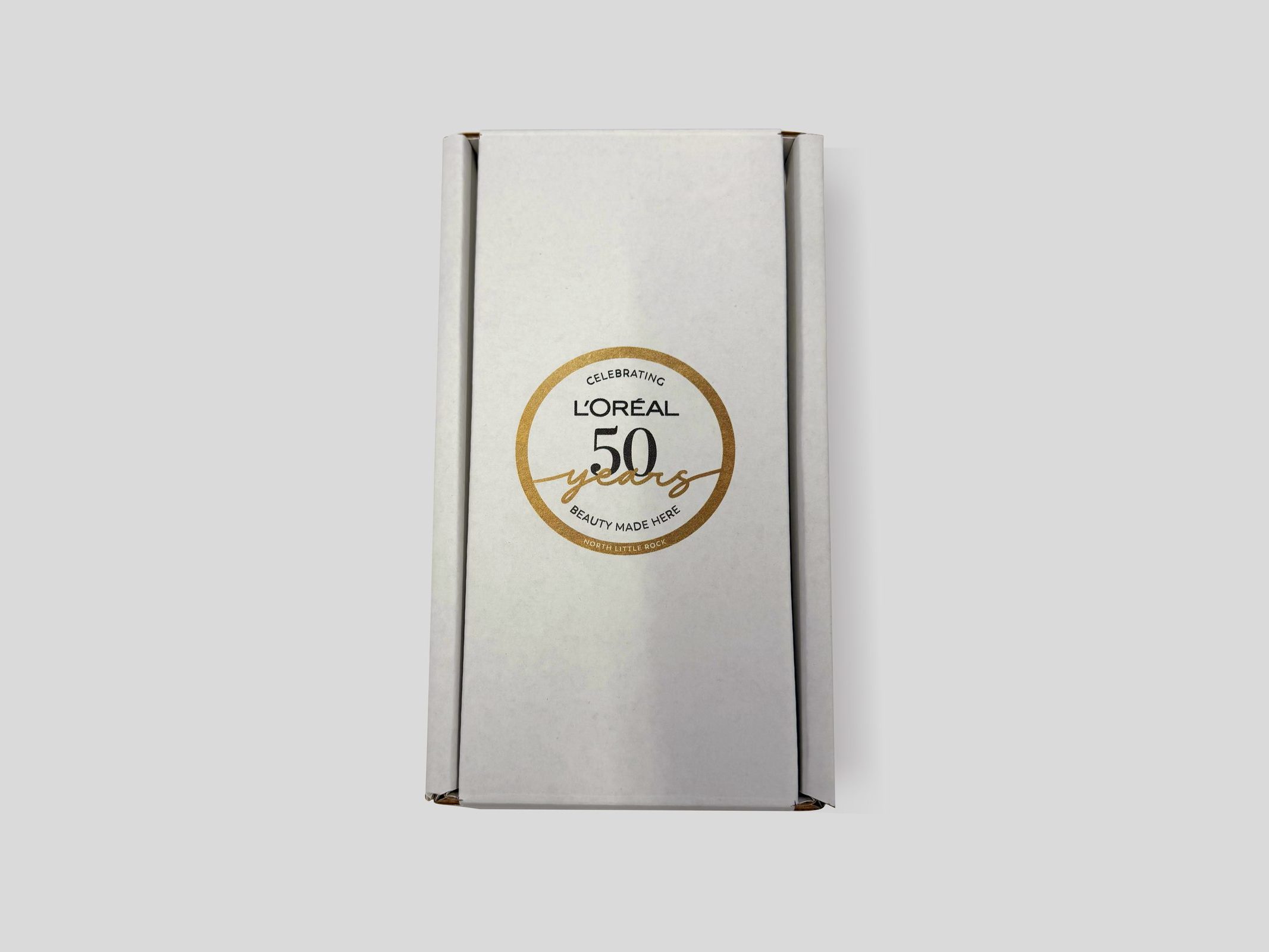
Tall white printed folding carton for a body lotion by VSL PackagingFolding CartonsThe SKU-level format, efficient at volume with room for compliance copy.Black gloss rigid box with fitted insert and printed sleeve, John Wick × drift, by VSL PackagingRigid BoxesMore structural weight for glass vials in a retail-facing box or a premium OTC line.Stacked corrugated trays with open tops, studio light — studio imageCorrugated TraysDie-cut trays that hold a blister card without shifting.White L'Oréal 50th-anniversary mailer box with a gold seal, closed, by VSL PackagingShipping BoxesCustom-fit outer shippers built for case-pack efficiency and drop protection.

A pharmaceutical product's packaging does two jobs most categories don't ask of a box: survive a validated supply chain, and prove, at a glance, that nothing tampered with what's inside. We build custom pharmaceuticals packaging in New York City — cartons, trays, shippers, and retail display units engineered around the primary container your product already ships in, not replacing it. That's the honest description of what we do: secondary packaging, built to pharmaceutical-grade tolerances, not a primary-contact converter line. It's a packaging solution shaped by drug packaging realities other categories rarely plan for — validated shipping lanes and compliance copy that can't move once a dieline is locked.

Secondary Packaging, Not Primary Contact

Vials, blister packs, and bottles are primary packaging — the layer that touches the product — and that's a specialized, separately regulated line of manufacturing we don't claim. That primary layer is also what manages microbial contamination risk and drug stability: barrier materials, moisture and oxygen control, and seal integrity are specified by your primary-packaging or component supplier, not built by us. We build everything around it: the folding carton a bottle ships in, the die-cut tray that holds blister packs without shifting, the outer shipper that gets a case of product from a contract manufacturer to a distribution center intact. We work in folding carton construction for most SKU-level packaging, since they run efficiently at volume while still leaving room for the compliance copy a pharma carton has to carry. Products that need more structural weight — glass vials in a retail-facing box, or a premium OTC line — get a rigid or heavier corrugated build instead.

Label Space Engineered for Serialization and Compliance Codes

Pharmaceutical cartons carry more mandatory copy than almost any other packaging category: lot and batch numbers, expiration dating, NDC codes, and — for products that fall under track-and-trace requirements — a 2D barcode or serialized data matrix that has to sit in a defined, scannable zone without competing with brand artwork. We treat that as a structural decision, not a late-stage printing fix. Panel size, print zone, and finish are planned at the dieline stage specifically so the serialization field has clean, consistent real estate on every carton in a run — because a code that prints crooked or gets folded across a score line is a compliance problem, not a cosmetic one. We don't encode or activate serialization data ourselves; we build the carton so your labeling and serialization vendor has the flat, legible space their system needs. That's a quality-control need as much as a regulatory one — a scan failure at a distribution center stalls product the same way a legibility complaint does, so we hold print quality and panel accuracy to the same tolerance across a full run, not just the approved proof.

Tamper-Evidence as a Structural Feature

Tamper-evidence has to be engineered into the carton itself, not bolted on as an afterthought. That means perforated tear strips that destroy visibly on first opening, glue-flap closures that can't be resealed cleanly, and void or security seals specified at the same stage as the box structure. The goal is a package where a customer, a pharmacist, or a receiving clerk can tell in a second whether it's been opened before it reached them — and where that feature survives the drop-test and case-pack handling a pharma shipment actually goes through.

Child-Resistant Packaging and Child Safety, in Generic Terms

Some pharmaceutical and OTC products require child-resistant packaging, and that's a certified, tested mechanism — typically a closure or locking feature your primary-packaging or component supplier specifies and certifies to the applicable standard. Our role is on the structural side: building the outer carton or tray so its dimensions, tab placement, and closure tolerance match what that CR mechanism needs to function as certified, instead of forcing a generic box around a feature it wasn't designed for. Child safety and the regulatory testing behind it both live with that component supplier; our work is the structural fit around whatever mechanism they specify, whether the product is a prescription drug or an OTC pharma packaging SKU built around a lighter CR feature. We don't test or certify child-resistant closures ourselves — we build the packaging that houses one correctly.

Distribution-Ready Formats

Whether product moves through a wholesaler, a hospital pharmacy, or a direct-to-patient shipment, the outer packaging has to survive real handling before it ever reaches a shelf. Our custom-fit shipping boxes are built with case-pack efficiency and drop protection in mind, sized to the actual product inside rather than a generic stock dimension — which matters when a pallet of cartons is getting reworked at three different points in a distribution chain. For counter or shelf placement, we build retail display units separately, sized for the product and the space, rather than assuming one packaging spec has to do both shipping and merchandising duty.

Packaging Materials Matched to the Compliance Load

Not every pharmaceutical product needs the same packaging materials. A retail OTC line and a hospital-only SKU carry different weight, handling, and display demands, so the board or carton stock has to answer that difference rather than default to one spec. Folding carton stock stays cost efficient at SKU volume; rigid board adds the wall strength a glass vial or a premium retail line needs; corrugated board goes into the trays and shippers that move product between a contract manufacturer and a distribution center. Choosing among those packaging types happens at the same stage as compliance layout, because board weight changes how a serialization panel folds and where a tamper seal sits. It's one packaging solution built in stages — material, then structure, then print — rather than a material choice bolted onto a finished design after the fact.

Where This Sits Next to Medical and Nutraceuticals

Pharmaceuticals packaging overlaps with, but isn't identical to, medical packaging — device-adjacent products carry different regulatory, sterility, and labeling logic than a drug carton does — or nutraceuticals, where the product is a supplement rather than a regulated drug and the compliance language on the carton is different again. We build for all three, but we treat each brief on its own terms rather than reusing one carton spec across categories that don't actually share requirements.

Built in New York City, From Prototype to Full Run

Every pharma packaging project starts as a physical working sample before it becomes a production run, so your team can check panel layout, serialization zone placement, and closure fit on an actual sample instead of a rendering. That prototyping, along with cutting, printing, and finishing, happens in New York City, which keeps a labeling correction or a structural tweak to a matter of days rather than a reorder cycle with an outside vendor. It also means a packaging solution can flex when a label requirement changes mid-project — a common need in pharma, where regulatory copy sometimes lands after structural design is already underway.

Pharmaceuticals Packaging: Common Questions

Do you package primary pharmaceutical products like vials or blister packs? No. We build secondary packaging — cartons, trays, shippers, and retail displays — engineered around the primary container your product already uses. Primary-contact packaging is a separately regulated manufacturing line we don't claim.

How do you handle child-resistant packaging requirements? We build the outer carton or tray to match the tolerances your certified CR closure or component needs to function correctly. We don't test or certify child-resistant mechanisms ourselves; that certification comes from your component supplier.

What serialization and compliance labeling can you accommodate? We plan defined, scannable panel space for lot numbers, expiration dating, NDC codes, and 2D barcodes at the dieline stage, so the printed compliance copy has clean real estate on every carton. Encoding or activating serialized data is handled by your labeling vendor, not by us.

What packaging materials do you use for pharmaceuticals packaging? Folding carton stock, rigid board, and corrugated board cover nearly everything we build in this category — folding cartons for SKU-level volume, rigid board for glass vials or a premium OTC line, and corrugated for the trays and shippers that move product to a distribution center. We choose packaging materials at the same stage as structural design, not after.
Considerations

What Pharmaceutical Packaging Has to Get Right

Secondary, Not Primary ContactCartons, trays, and shippers built around the primary container the product already ships in.
Serialization Print ZonesPanel size, print zone, and finish planned at the dieline stage so compliance codes get clean, scannable space.
Structural Tamper-EvidenceTear strips and glue-flap closures that destroy visibly on first opening and survive case-pack handling.

Related Industries

RetailSportsApparelBeautyBeverageCBDAll 22 industries →

Package Your Pharmaceutical Line

Tell us the product, the channel, and the quantity — we'll map boxes, bags, and mailers to one program.

Get a Quote