

Boxes
Roll End Tuck Top (RETF) Boxes
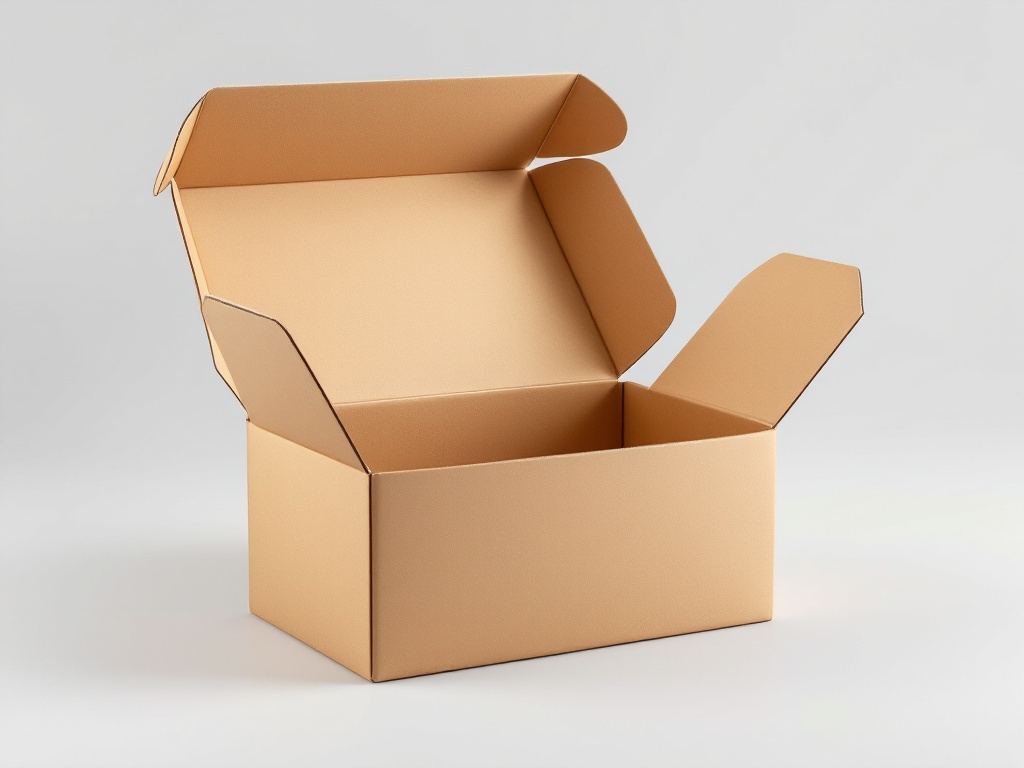
A folding carton built on a rolled, double-wall base with a lid that tucks closed at the top or front, no glue or tape required — cut, printed, and prototyped to the product's exact footprint in New York City.
Construction
Rolled, double-thick end panels
Closure
Tuck front or tuck top, glue- and tape-free
Assembly
One piece; ships flat, pops up in one motion
Printing
Single-color kraft stamp to full litho-laminate
A roll end tuck top box — known throughout the industry as an RETF box — is a folding carton built on a rolled, double-wall base with a lid that tucks closed at the top or front, no glue or tape required. We manufacture RETF boxes in New York City, cutting, printing, and prototyping every run to the product's exact footprint before a single box goes to press, the same as any of the custom boxes we build. Whether your team calls it a roll end tuck top box, a roll end tuck front box, or just an RETF box, the construction underneath is the same reinforced, self-locking carton.
What Is a Roll End Tuck Top (RETF) Box?
The defining feature of a retf box is the roll end: the two end panels are rolled inward before scoring, which doubles the wall thickness right where a folding carton is normally weakest. That reinforced base is what lets an RETF box hold real product weight without the corner blowouts you'd get from a single-ply tuck carton.
The remaining panel — either the top lid or the front face, depending on how the closure is oriented — tucks into a slot cut into the rolled end, locking the box shut on its own. Suppliers use "roll end tuck front" and "roll end tuck top" almost interchangeably, and for good reason: both describe the same rolled, double-wall shell. The small technical difference is in the lock — a true tuck-front closure folds the lid down over the outside of the front panel for a cleaner, more secure hold, while a tuck-top variant tucks the same lid inside the top edge instead. Either way, you're ordering the same glue-free, roll-end carton; we build it to whichever closure orientation your product calls for.
Key Features of an RETF Box
- Roll end base. Rolled, double-thick end panels give the box structural strength at its two weakest points without adding a second ply across the whole carton.
- Tuck front or tuck top closure. The lid locks into a die-cut slot at the base — no glue, no tape, no separate lid to lose in the shipping aisle.
- One-piece, die-cut construction. RETF boxes ship flat and pop up into a finished carton in one motion, which keeps assembly labor and packing-station time down on a fulfillment floor.
- Dust flaps at the shoulder. Tuck-top variants can add a small dust flap on each side of the lid opening, closing the gap left where the lid meets the rolled shoulder.
Customization Options
Every RETF box we cut is sized to the product going inside it, not pulled off a stock size chart. Printing runs from a single-color kraft stamp to full-coverage flexo or litho-laminate branding across every exterior panel, and we can build in fitted inserts, dividers, or a printed interior for products that need presentation as well as protection. Beyond print, the usual finishing options — foil stamping, embossing or debossing, and spot UV — apply to an RETF panel the same way they do on any folding carton we build. Because the format is a straightforward folding carton, it's also one of the more efficient styles to customize at volume — see our broader custom boxes program for how we scope printing, inserts, and sizing together before a run — or a smaller pilot order — goes to press.
RETF Boxes vs. Mailer Boxes
RETF boxes get compared to mailer boxes often enough that it's worth spelling out the difference. A mailer box is typically a two-piece or hinged-lid carton meant to be opened and closed repeatedly, built for a retail-style unboxing experience. An RETF box is a one-piece, self-locking carton meant to be opened once at delivery — it trades the lid ceremony of a mailer for a faster, cheaper assembly and a sturdier base for transit. If your product needs a reusable, gift-forward presentation, a mailer box usually wins; if it needs to survive a conveyor belt and get opened once, the roll-end construction is the better fit. The same logic applies against a straight tuck end box, which uses simpler single-wall ends — a straight tuck end costs less to produce, but an RETF box's rolled ends hold up better under stacked weight. And when the job is bulk case-packing rather than unit presentation, regular slotted containers are still the workhorse — an RETF box sits between the two, giving you retail-ready graphics with shipper-grade strength.
Typical Uses for RETF Boxes
RETF and roll end tuck top boxes show up most often in:
- E-commerce shipping, where the reinforced base survives parcel handling without a secondary shipper.
- Subscription boxes, where a consistent, brandable exterior needs to hold up to repeat monthly transit.
- Retail mailer programs, where a single-piece carton keeps assembly fast at pack-out without sacrificing shelf presence.
RETF Box FAQ
What is a RETF box? An RETF box — short for roll end tuck front, and sold interchangeably as a roll end tuck top box — is a folding carton with rolled, double-wall end panels and a lid that tucks closed at the top or front without glue or tape.
What's the difference between the tuck-front and tuck-top closure? Both use the same rolled, double-wall base. A tuck-front closure — sometimes called a front tuck fold — folds the lid down over the outside of the front panel for a slightly more secure lock; a tuck-top closure tucks the same lid inside the top edge. Functionally, most buyers treat the two names as describing the same box style.
Are RETF boxes available in eco-friendly materials? Yes — kraft paper stock is a common eco-friendly choice for RETF construction, since it's recyclable and still holds a crisp printed finish.
Can RETF boxes be custom printed and ordered wholesale? Yes. We size every RETF box to the product's actual dimensions, print anywhere from a single logo stamp to full exterior branding, and can run a smaller trial order before scaling to a full wholesale order once the spec and closure orientation are locked in — all from our New York City team.
Constructions & Use Cases
Ways We Build This Format
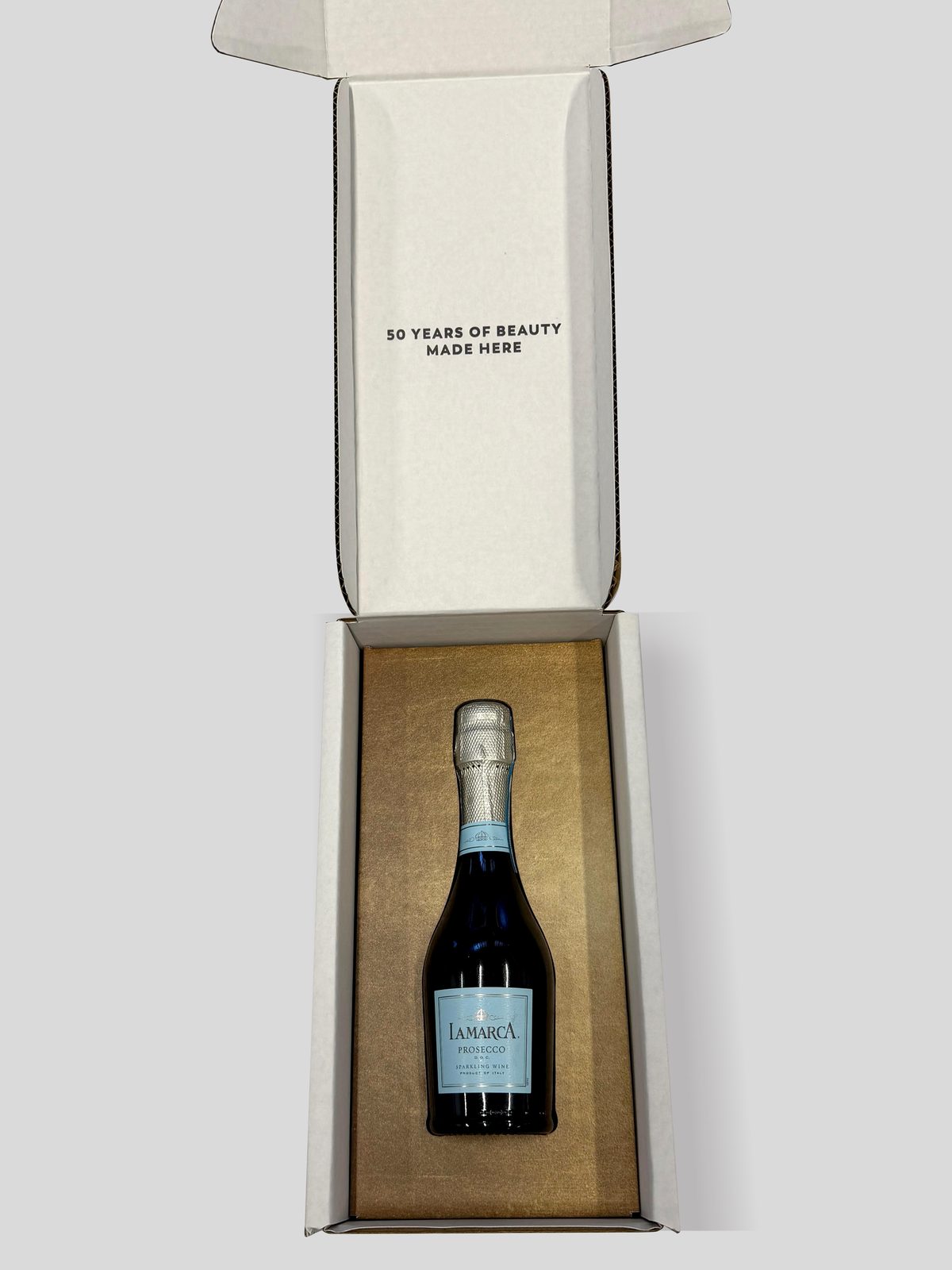
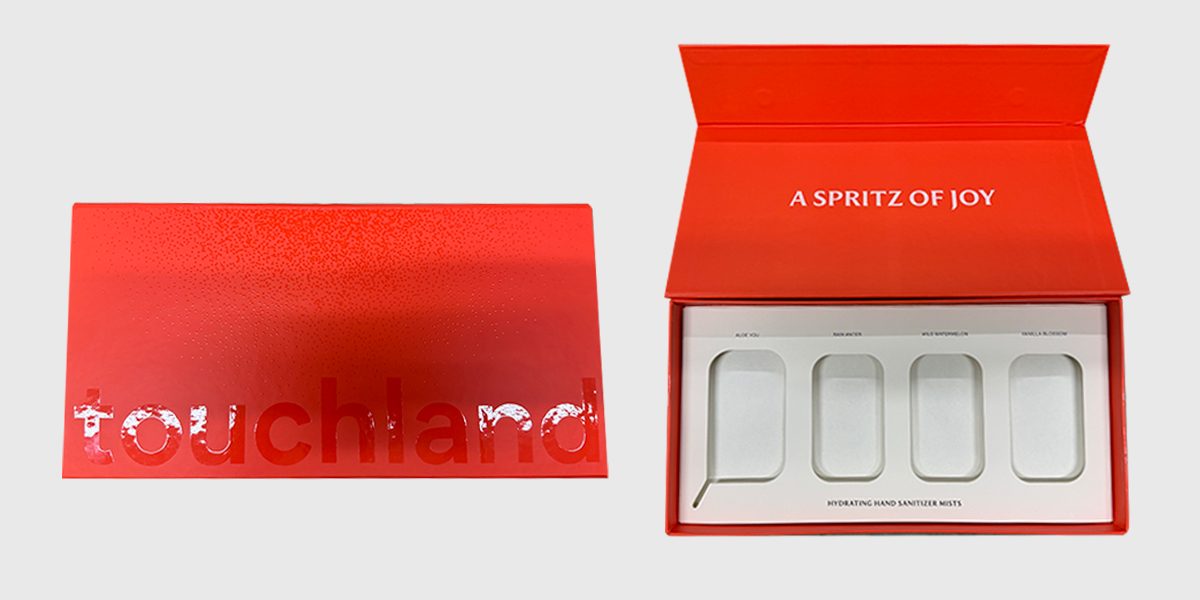
Price Your Run
Product dimensions, quantity, and any finish ideas — we will quote structure, material, and print.