VSL Packaging — NYC custom packaging company

Industry

Medical Packaging

Medical packaging for devices, diagnostics, and healthcare accessories — tight-tolerance structure first, branding second, with wall thickness, board caliber, and internal bracing engineered around the actual weight and fragility of what's inside.

Medical packaging by VSL Packaging

What This Industry Runs

The Formats Medical Brands Order

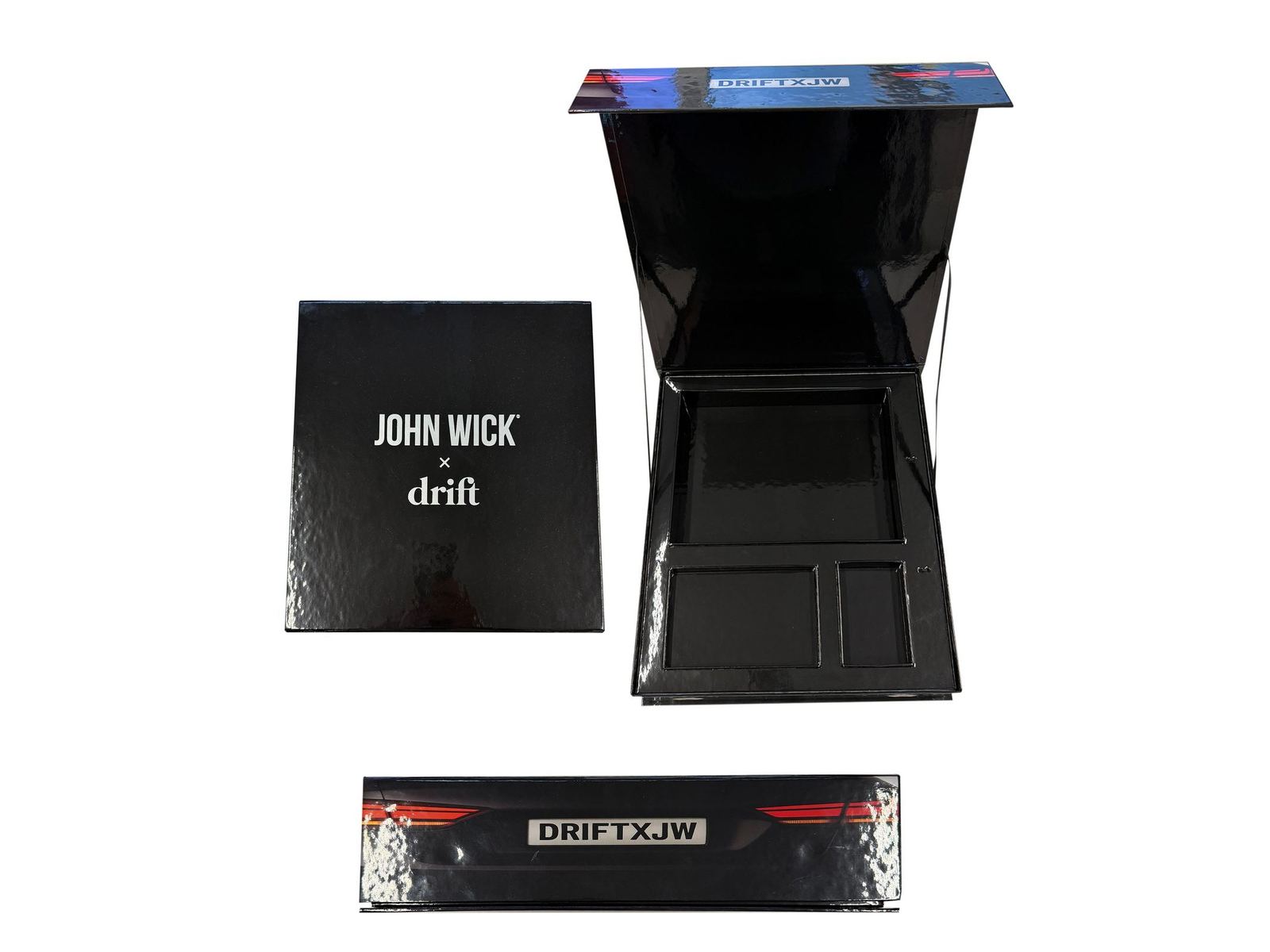
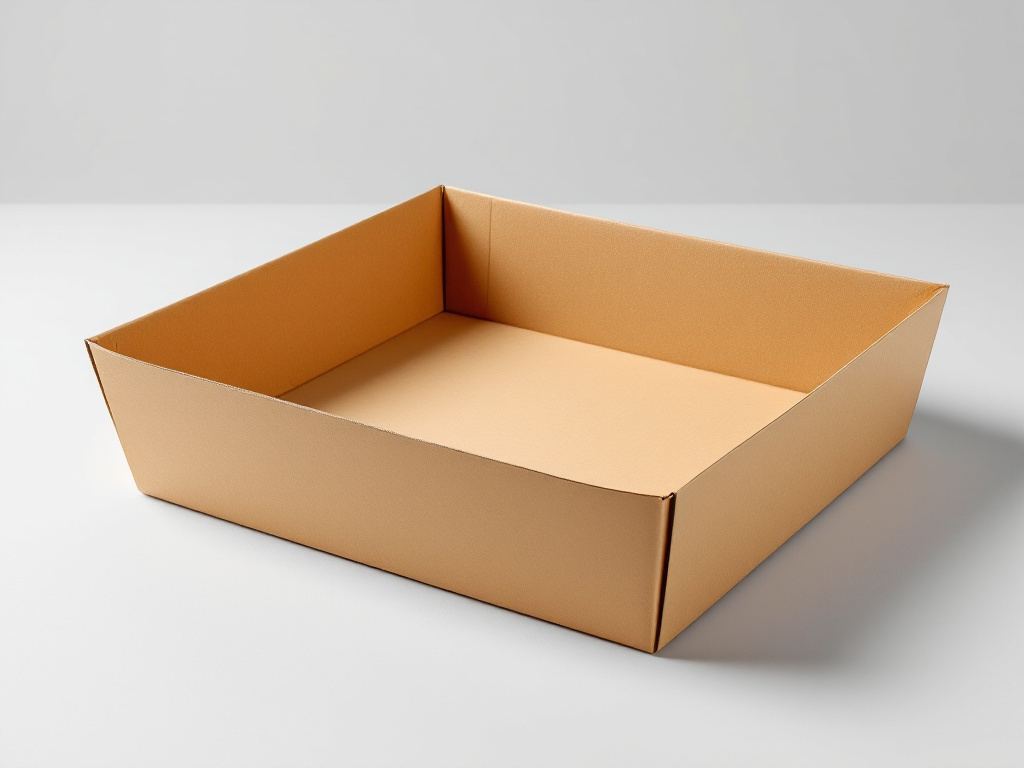
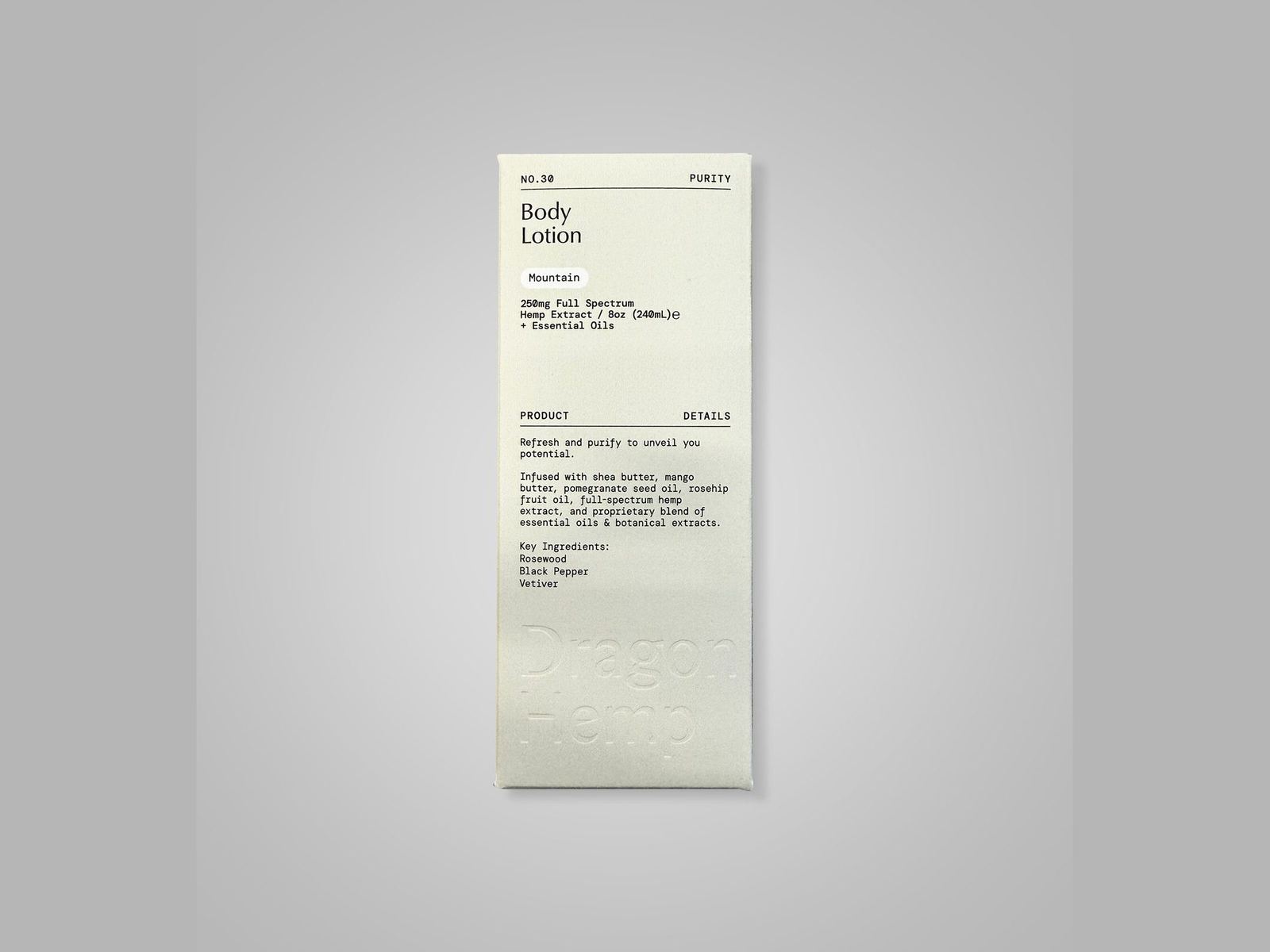
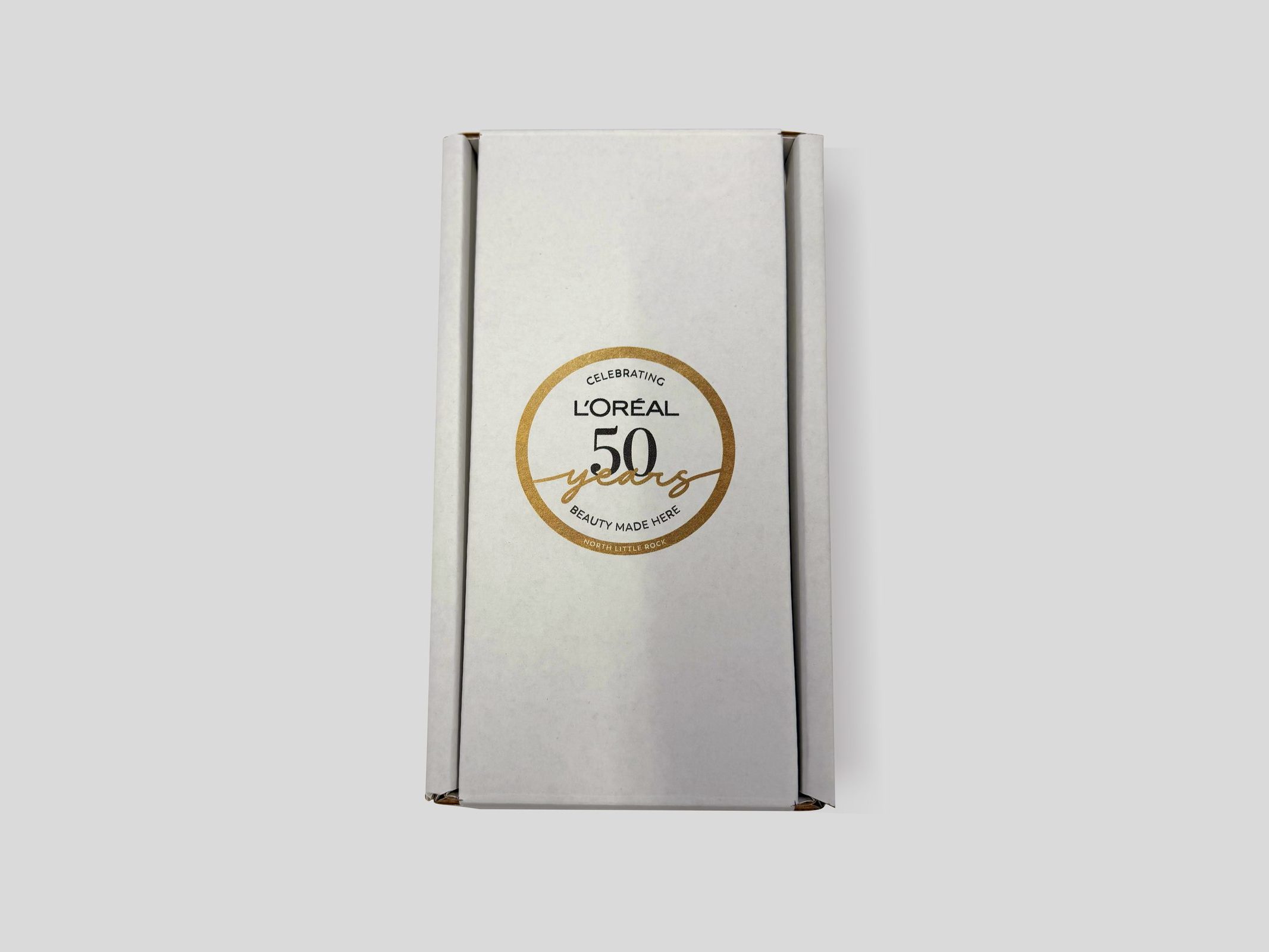
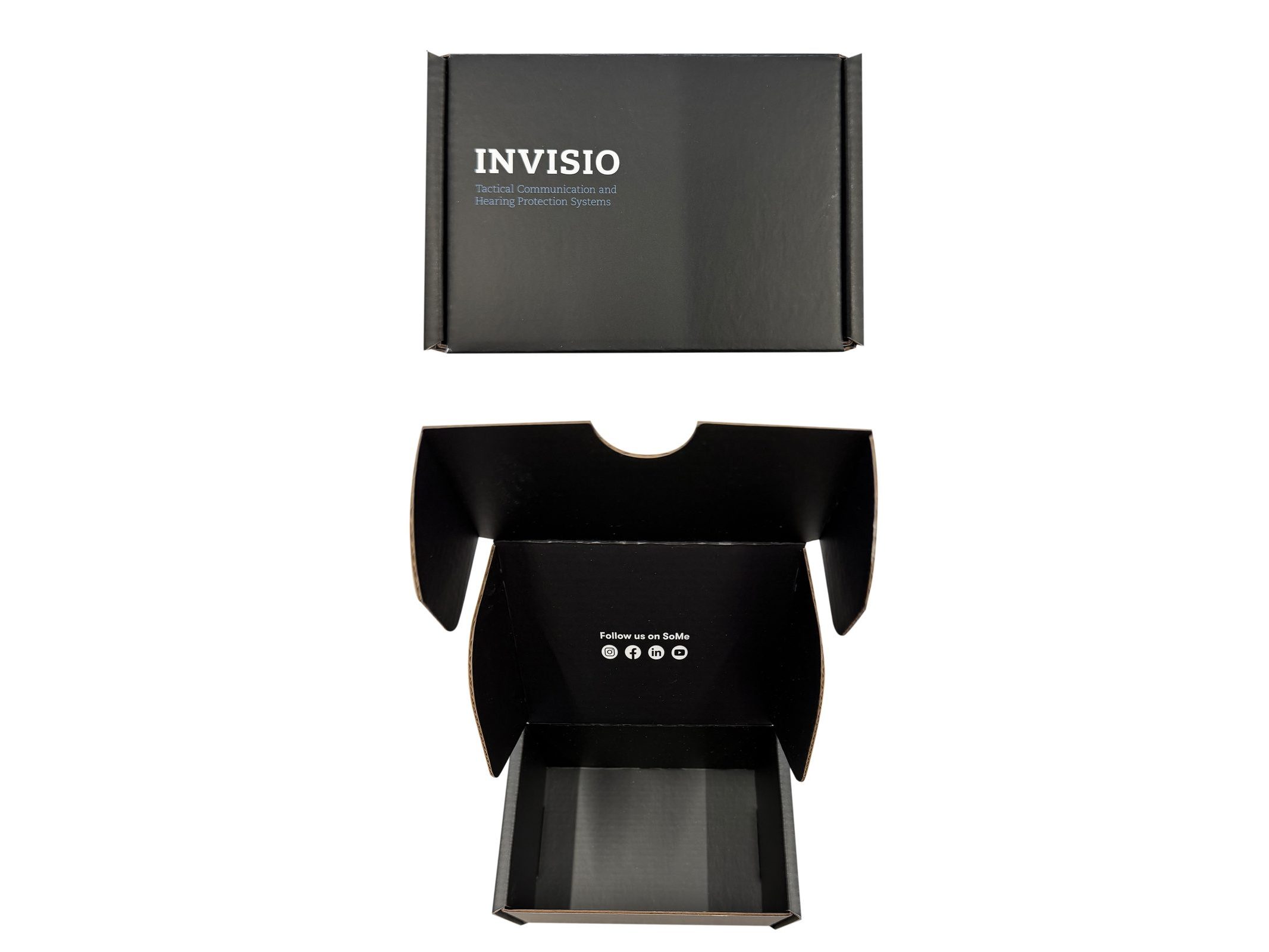
Black gloss rigid box with fitted insert and printed sleeve, John Wick × drift, by VSL PackagingRigid BoxesA snugger fit and a case that reads clinical-grade off the shelf.Product Boxes from VSL PackagingProduct BoxesShelf presence at a gentler price point for accessories and disposables.Shallow open-top corrugated tray with low side walls by VSL PackagingCorrugated TraysMulti-compartment trays that let a kit ship as one unit instead of loose pieces.Tall white printed folding carton with an ingredient panel by VSL PackagingFolding CartonsPrinted paperboard cartons sized to medicine bottles, vials, and tubes, with panels laid out for dosing and regulatory copy.White shipping box with gold anniversary print, closed, by VSL PackagingCorrugated ShippersMaster cartons graded to protect cased product through distribution, printed or left blank.Black mailer box, closed and open with printed interior, by VSL PackagingBranded MailersSelf-locking mailer boxes for direct-to-patient and sample programs, printed inside and out when the unboxing matters.

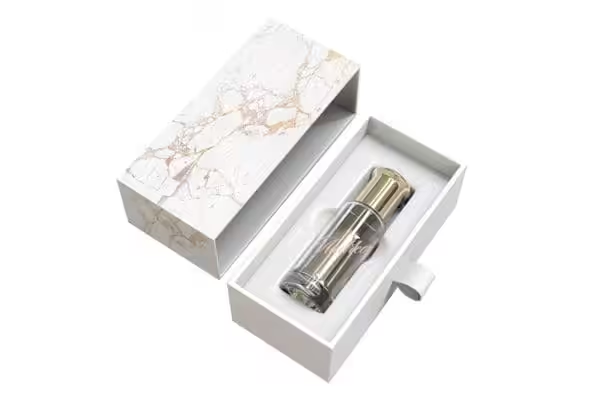
Medical packaging carries a different kind of pressure than most categories we work in: a scuffed corner or a loose-fitting tray isn't just a cosmetic problem, it's a device that shows up on a hospital shelf looking like it wasn't handled correctly. We build medical packaging for devices, diagnostics, and healthcare accessories with that standard in mind — tight-tolerance structure first, branding second. For devices and premium diagnostic lines, that often means custom rigid boxes built for a snugger fit and a case that reads as clinical-grade off the shelf. Lower-cost accessories and disposables that need the same shelf presence at a gentler price point run through our standard product packaging boxes line instead. That standard holds across everything we build in healthcare packaging, from single-use diagnostics to durable medical devices that ship for years without a design change.

Structural Protection for Medical Devices

A medical device box has to do more than look clean — it has to hold a shape through a distribution chain that includes forklifts, conveyor belts, and a delivery driver in a hurry. We engineer wall thickness, board caliber, and internal bracing around the actual weight and fragility of what's inside, not a generic template pulled off a shelf. A handheld diagnostic unit and a surgical instrument tray get different corner reinforcement and different flute combinations, because a box tuned for one doesn't protect the other the same way. That structural work happens before the first sample is cut, which is why our device packaging holds up under real freight conditions instead of just looking good in a photo. It's the same discipline whether a case is headed for a hospital system or a single outpatient clinic.

Pharmaceutical Packaging and Adjacent Medical Products

Plenty of what we build sits next to pharmaceuticals without being a pharmaceutical package itself — supplement kits, diagnostic reagent boxes, and over-the-counter device accessories that move through a retail pharmacy counter. That work still has to respect the same general expectations the pharmaceutical world runs on: consistent labeling, moisture and light protection where the product calls for it, and construction that doesn't shift or crush before it reaches patients. We build to those expectations using board, coatings, and closures suited to the product, and an OTC accessory sold at a pharmacy counter gets the same standard as anything behind it. For brands whose product falls under pharmaceutical packaging and carries a stricter regulatory package, we coordinate structural specs directly with their compliance team so nothing conflicts downstream.

Inserts, Compartments, and Labeling Space

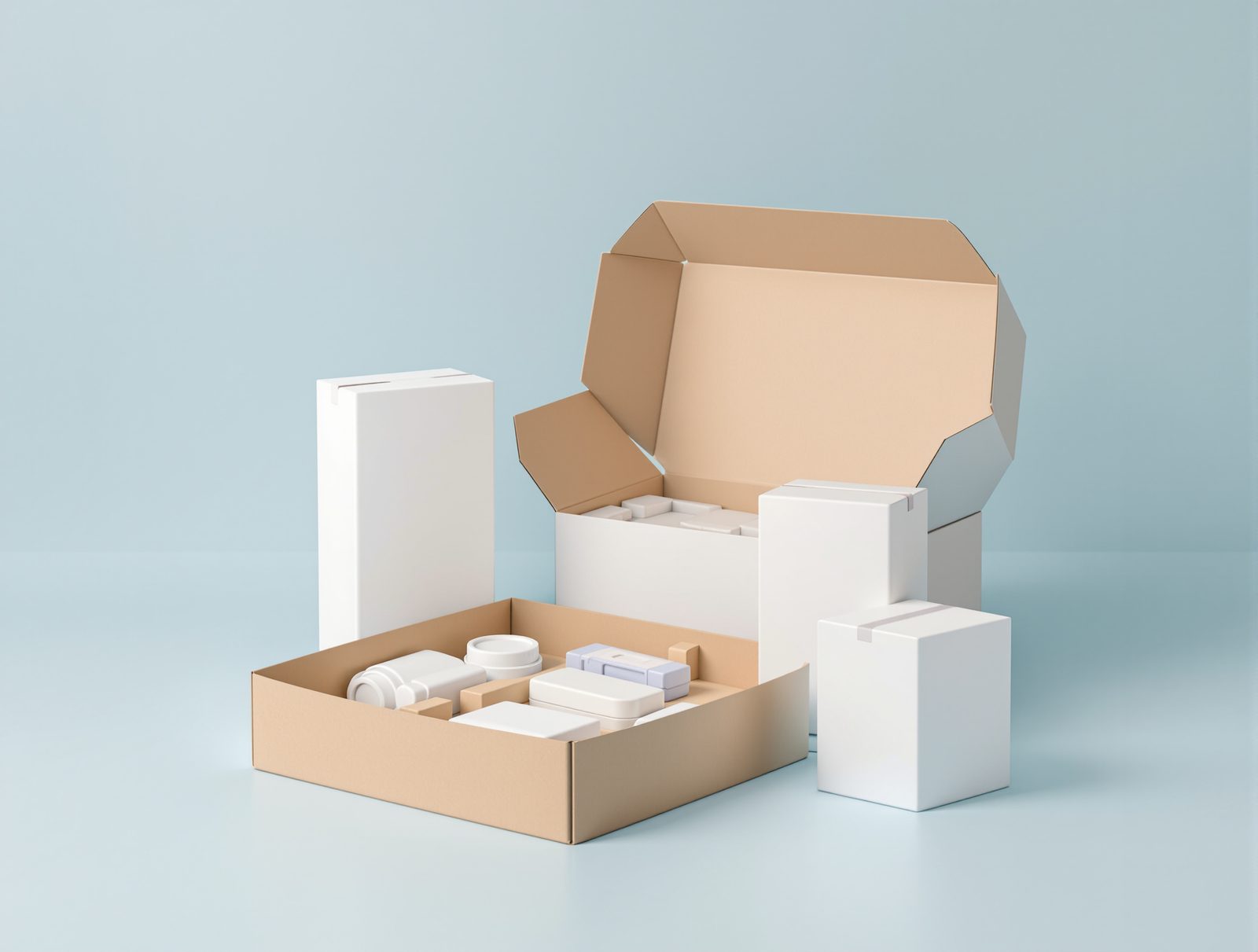
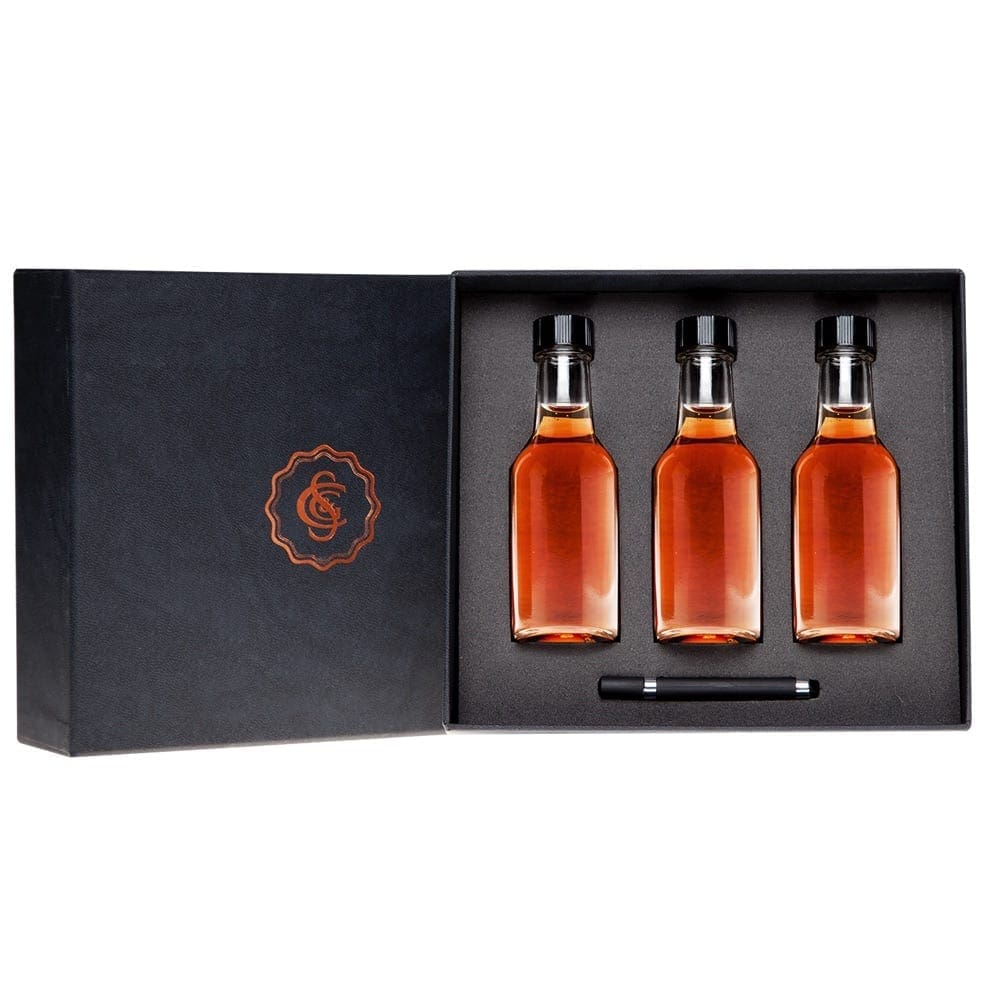
Medical products rarely ship loose in a box. We cut custom inserts, foam cavities, and corrugated compartments that hold a device, a vial, or a set of accessories exactly in place, so nothing rattles or shifts between our dock and a clinic's receiving desk. Multi-compartment trays let a kit ship as one unit instead of several loose pieces, which cuts down on unpacking errors at the point of use — and a fumbled unboxing is the last impression an accessory line makes. We also design panel layouts with enough flat, uninterrupted surface for the labeling healthcare professionals and patients both rely on — lot numbers, expiration dates, usage instructions, and reorder information — so a label applies cleanly instead of wrapping awkwardly around a seam or a fold.

Tamper-Evidence and Prototyping Before Production

Tamper-evident features matter more in healthcare than almost any other category we serve, since a package that's been opened and reclosed needs to show it, and patient safety depends on that signal being unambiguous. We build in perforated seals, void-if-removed labels, and closures that visibly damage on first opening, matched to the box style and the way the product actually gets used in the field. Because tolerances matter this much, we don't jump straight to a production run. We build physical packaging prototypes in-house first, so a brand can check fit, closure feel, and label placement on an actual sample before we cut a production die — catching a sizing or clearance issue on a prototype costs a lot less than catching it after a few thousand units are printed.

Manufacturing Managed From Manhattan

We design, prototype, and produce in New York City, which means the team quoting a medical packaging job is the same team signing off on the finished carton. That matters most on healthcare work, where a half-millimeter tolerance on an insert or a slightly misaligned label panel is the difference between a package that passes inspection and one that gets sent back. Being local also means faster sample turnaround when a design needs one more round before a launch date.

Medical Packaging FAQs

What's different about designing packaging for a medical device versus a regular consumer product? Tolerances and repeatability matter more. A medical device box typically needs a tighter structural fit, dedicated insert work to prevent movement, and enough clean surface area for compliance labeling — all designed to hold up consistently across every unit in a run, not just the sample.

Can you add tamper-evident features to an existing box style? In most cases, yes. Tamper-evident seals, void labels, and one-time-use closures can usually be engineered into a box style we already produce, though we'll flag it early if a particular structure needs modification to support the feature properly, especially for products headed into hospitals or other high-volume healthcare settings.

How much labeling space can you build into a medical packaging design? It depends on the box style and what else needs to fit on the panel, but we plan labeling space during the structural design phase rather than after, so lot numbers, instructions, and required text have a clean, uninterrupted area instead of competing with graphics or seams.

Do you produce pharmaceutical packaging, or only pharmaceutical-adjacent products? Our core medical work is pharmaceutical-adjacent — supplement kits, diagnostic accessories, and device packaging built to the same labeling and protection standards pharmaceutical packaging requires. For products that fall under a stricter pharmaceutical regulatory package, we coordinate structural specs directly with a brand's compliance team.
Considerations

What Medical Packaging Has to Get Right

Tight-Tolerance StructureWall thickness, board caliber, and internal bracing engineered around the weight and fragility of the device.
Inserts and Labeling SpaceCavities that hold a device or vial exactly in place, plus flat panel area for lot numbers, dating, and instructions.
Tamper-Evidence and PrototypesSeals and closures that visibly damage on first opening, checked on a physical sample before a production die is cut.

Related Industries

NutraceuticalsPet CarePharmaceuticalRetailSportsApparelAll 22 industries →

Package Your Medical Line

Tell us the product, the channel, and the quantity — we'll map boxes, bags, and mailers to one program.

Get a Quote