Industry
Luxury packaging for brands that treat the box as part of the product, not an afterthought bolted on before shipping — engineered by our own design, prototyping, and production team in New York, so structural changes stay in-house instead of going through a broker relaying specs overseas.
What This Industry Runs
We build luxury packaging for brands that treat the box as part of the product, not an afterthought bolted on before shipping. As a New York luxury packaging manufacturer running our own design, prototyping, and production team, we sit closer to the work than most luxury packaging suppliers and distributors — structural changes happen in-house, not through a broker relaying specs to an overseas factory. That proximity shows up in the details: closures that actually hold flush after a hundred open-close cycles, foil that doesn't chip in transit, and lead times that don't blow past a launch date because a sample got stuck in customs.
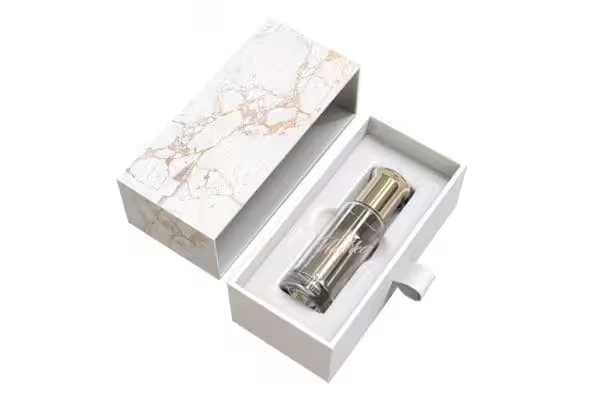
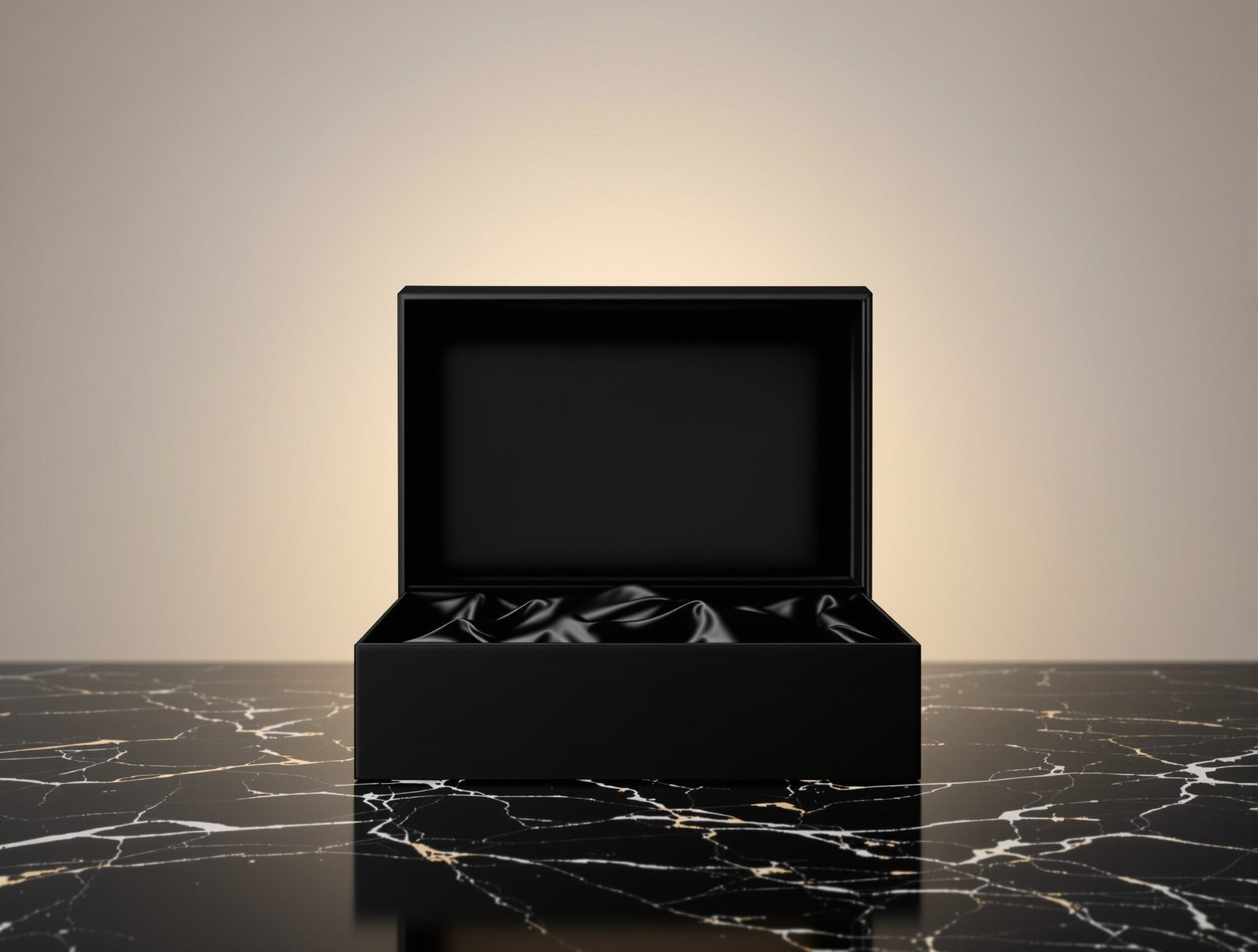
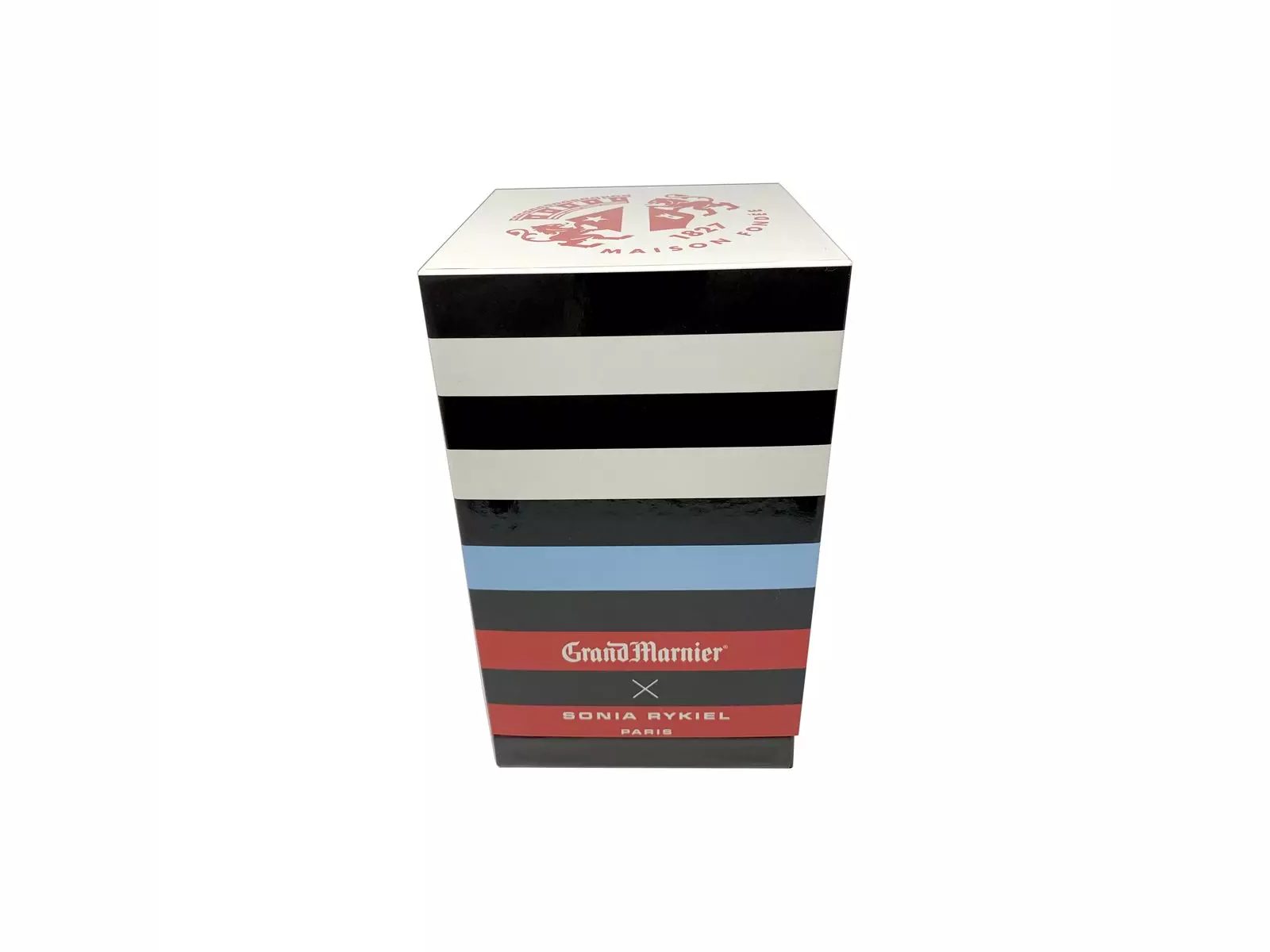
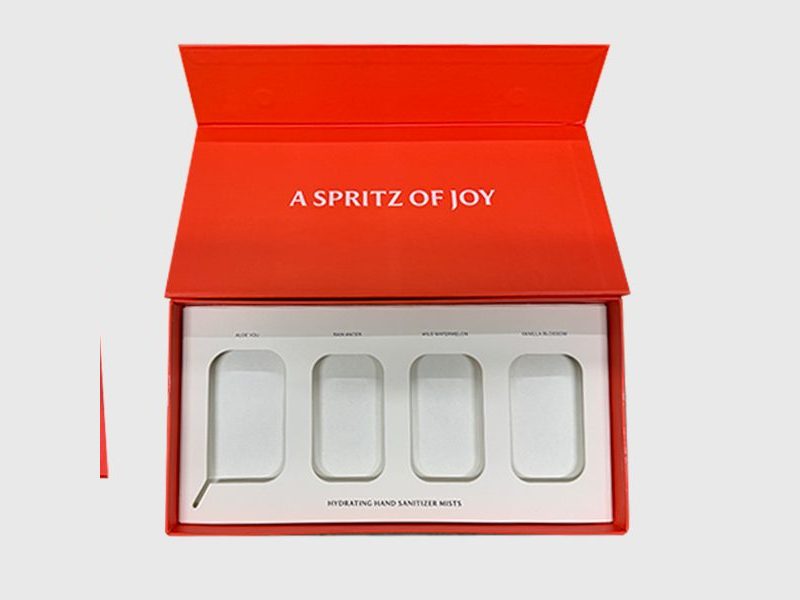
Luxury packaging starts with structure, and for most premium categories that means moving off folding carton stock and onto rigid boxes. We build our rigid boxes with wall thicknesses and board calipers sized to the product inside, not a generic template, so a fragrance box and a jewelry box come off the line with completely different rigidity profiles even if they share a finish. Custom luxury boxes get their dimensions from the product, which is why we prototype before we tool: a half-millimeter of slack in a rigid wall is invisible on a drawing and obvious in the hand. Magnetic closures get engineered into the lid at the structural stage — magnet placement and pull strength are specified before the first sample is cut, not patched in after the fact — so the lid seats flush and holds its snap through a full retail life. For bottles, jars, and other shaped goods that need a snugger fit, our shoulder boxes and telescope boxes give the base and lid independent wall strength, which keeps a heavy glass or ceramic product from shifting inside the box during a cross-country shipment. Not every SKU in a premium line needs rigid board, though — luxury folding cartons carry foil, embossing, and soft-touch just as well on lighter items and ship flat, so most brands run a mixed program rather than putting a whole catalog on rigid.
The finish is what a customer touches before they touch the product, so our custom luxury packaging solutions treat foil, texture, and print as structural decisions, not a checkbox at the end of a spec sheet. Good luxury packaging design settles those choices at the same time as the dieline, because a heavy laminate and a score line have to be engineered against each other or the coat cracks at the fold. Foil stamping and embossing raise a logo off the surface so it reads under store lighting or a phone flash; debossing does the opposite, pressing a mark into the board for a quieter, more restrained look that a lot of skincare and jewelry brands prefer. Soft-touch matte lamination gives a box a grippy, velvet-like hand-feel, and it pairs well with spot UV accents that add gloss exactly where a logo needs to catch the eye against a matte field. Satin finishes sit in between — enough sheen to look intentional without the full mirror shine of a gloss coat. We sample combinations in-house before committing to a full run, so a brand can hold a matte-and-spot-UV mockup next to a soft-touch-and-foil version and pick by feel, not guesswork.
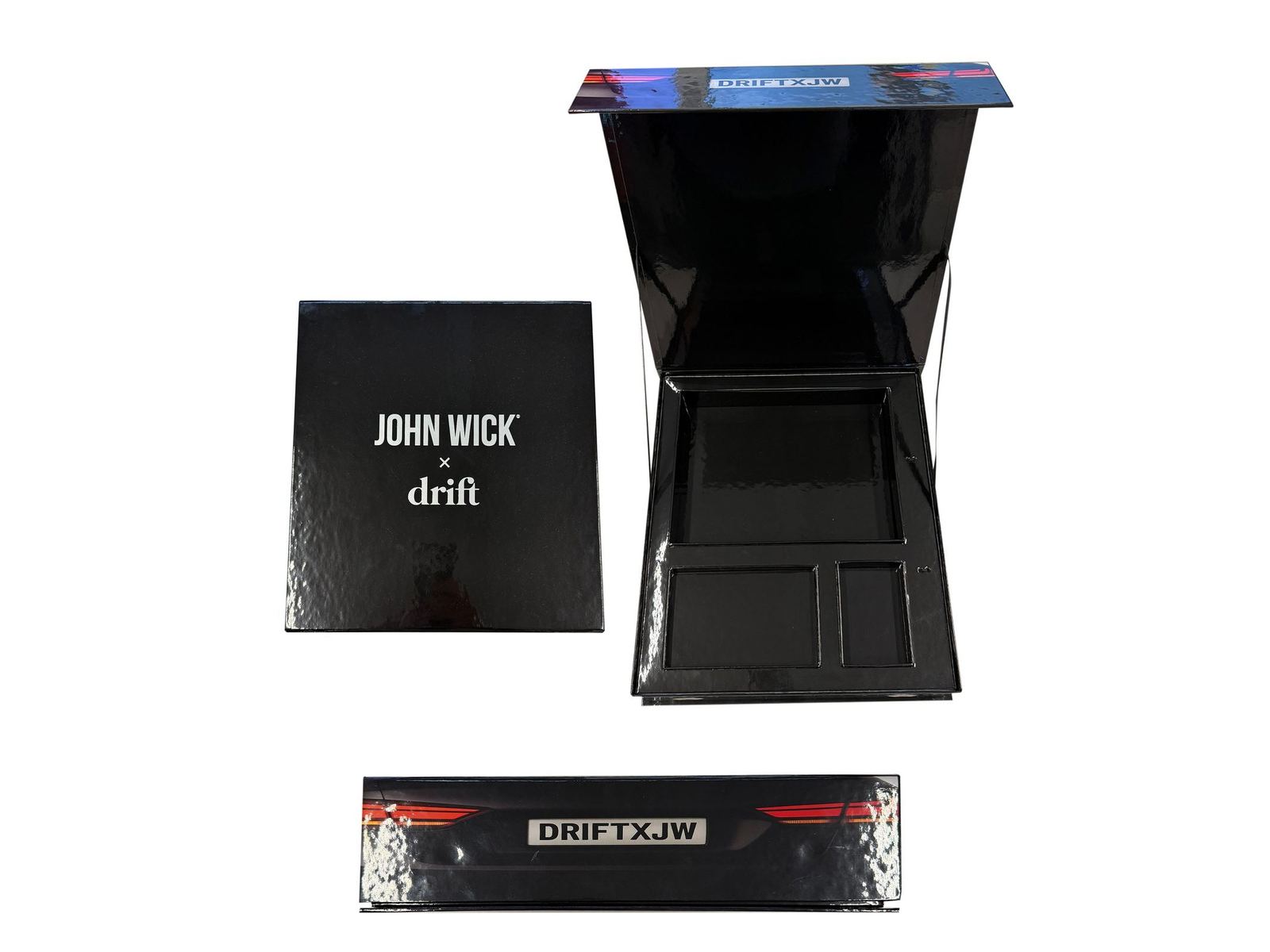
Luxury product packaging earns its price premium in the thirty seconds between a customer lifting the lid and setting the product down. We call it choreography because it works the same way a good unboxing video does: resistance on the lid that signals quality, tissue or a printed liner that reveals itself before the product does, an insert that cradles the item so it doesn't shift or scuff, and a closing gesture — a magnet, a ribbon pull, a folded flap — that gives the box a satisfying last beat. Custom tissue paper, foil-stamped liners, and printed inserts cost little relative to the box itself but do most of the emotional work — which is why brands that skip them end up with a functional unboxing instead of one worth photographing.
A premium box rarely travels alone. The brand ordering a rigid presentation box usually needs luxury shopping bags for its store floor and a mailer for everything that ships direct, and the three only read as one brand if they come off the same files and the same equipment. We produce custom shopping bags in laminated paper with rope, ribbon, or die-cut handles, matched to the box program on stock, color, and finish — soft-touch or foil carried straight across, so high end shopping bags handed over a counter don't sit a half-shade off the box inside them.
Shipped orders ask for something different. Luxury mailers have to do the shelf's job and the shipper's job at once — printed corrugate with an interior print, a clean tear strip, and a closure that opens right the first time. High end mailers built that way hold a premium impression through a parcel network that was never designed to be gentle. Luxury delivery packaging is where a lot of brands lose the thread, burying a beautiful box inside a plain brown carton; running both formats through one process is what keeps the unboxing intact door to door. The same finishing options extend to luxury apparel packaging and gift boxes, so a brand's luxury packaging supplies stay consistent across every channel it sells through.
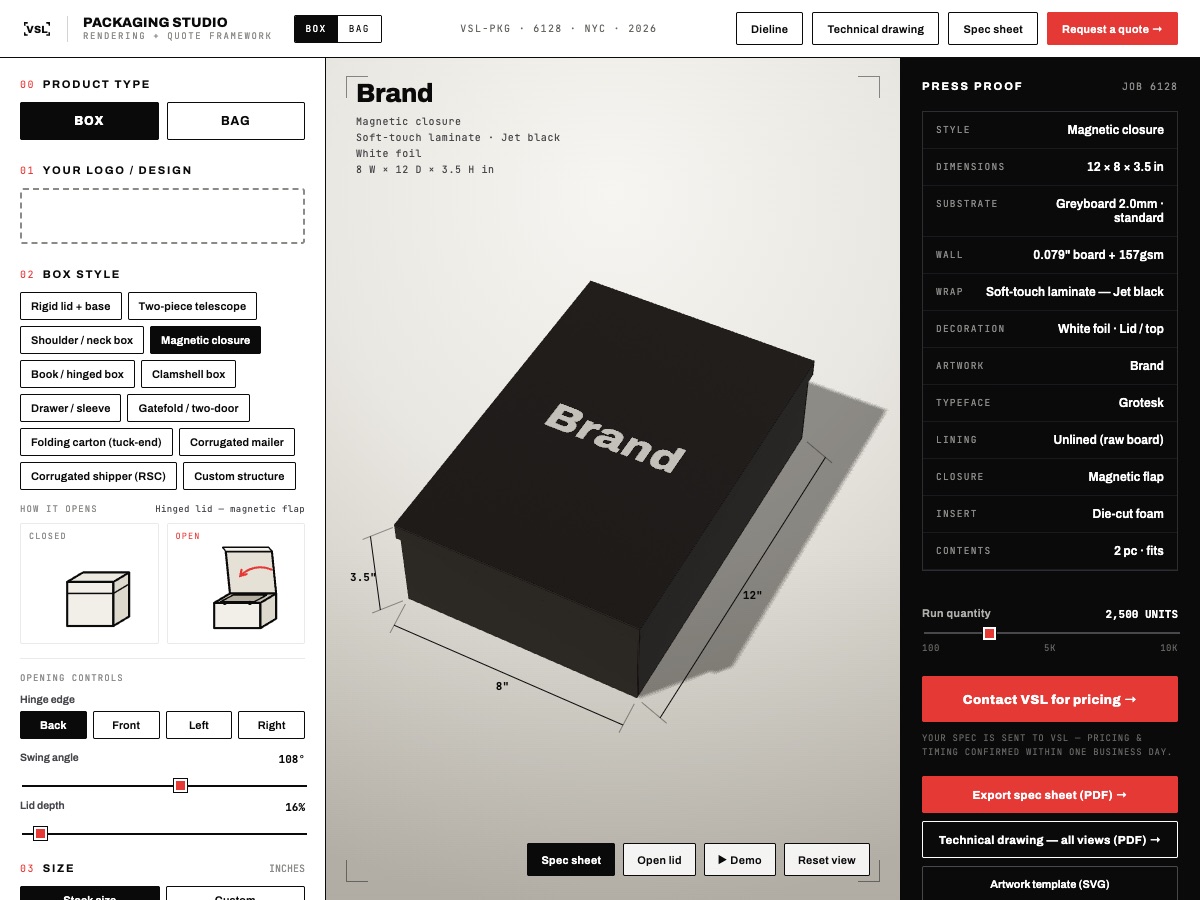
Most luxury packaging companies push new brands into container-load minimums that make sense for an established retailer and nobody else. We run low minimum order quantities on rigid and specialty-finish work specifically so an early-stage brand can test a premium box before scaling into it, and so an established one can run a limited edition or a seasonal SKU without warehousing a year of inventory. In-house 3D rendering and prototyping validate a structural concept before we cut a die, which keeps first-run costs down. As volume grows, the same tooling and finish spec scale with it, so a brand doesn't have to re-source just because its order size changed.
We manufacture in New York, which means the people quoting a job, the people prototyping it, and the people specifying the finish are the same team — not three companies handing off a file. That matters most on luxury brand packaging, where a half-millimeter tolerance on a magnetic closure or a slightly-off Pantone on a foil stamp is the difference between premium and cheap-looking. We work in FSC-certified and recycled board where a brand wants eco-friendly credentials without giving up the rigid feel and finish quality luxury retail demands. That end-to-end model is the practical difference between luxury packaging manufacturers and the luxury packaging suppliers who quote from a catalog: a supplier sells what a plant already tools, while a manufacturer changes the tooling. It's also why wholesale volume doesn't change the spec: luxury packaging boxes wholesale run against the same die and color proof as the approved sample, so the tenth reorder matches the first.
What makes rigid boxes better than folding cartons for luxury packaging? Rigid board holds its shape and edge sharpness in ways folding carton stock can't, and it supports heavier finishes — foil, emboss, magnetic closures — without the board flexing or cracking. For luxury product packaging that gets reused or displayed, that structural stiffness is a big part of the premium feel.
How low can a minimum order quantity go for luxury custom packaging? It depends on the box style and finish complexity, but we work with early-stage and DTC brands at volumes well below what most overseas luxury packaging suppliers and distributors will quote, then scale production as reorders grow.
What's the difference between soft-touch matte and gloss finishes? Soft-touch matte lamination adds a grippy, textured hand-feel and hides fingerprints, while gloss coatings reflect light for a brighter, more polished look. Many luxury packaging solutions combine the two — a matte base with gloss or spot UV accents — for contrast without losing the matte feel everywhere else.
Considerations
Tell us the product, the channel, and the quantity — we'll map boxes, bags, and mailers to one program.