Finishing
Matte Packaging Finish
A low-sheen surface treatment applied across an entire panel — a laminate film bonded under heat and pressure, or a water-based varnish cured in-line — that kills glare and leaves printed art reading soft rather than reflective. Run in New York City.
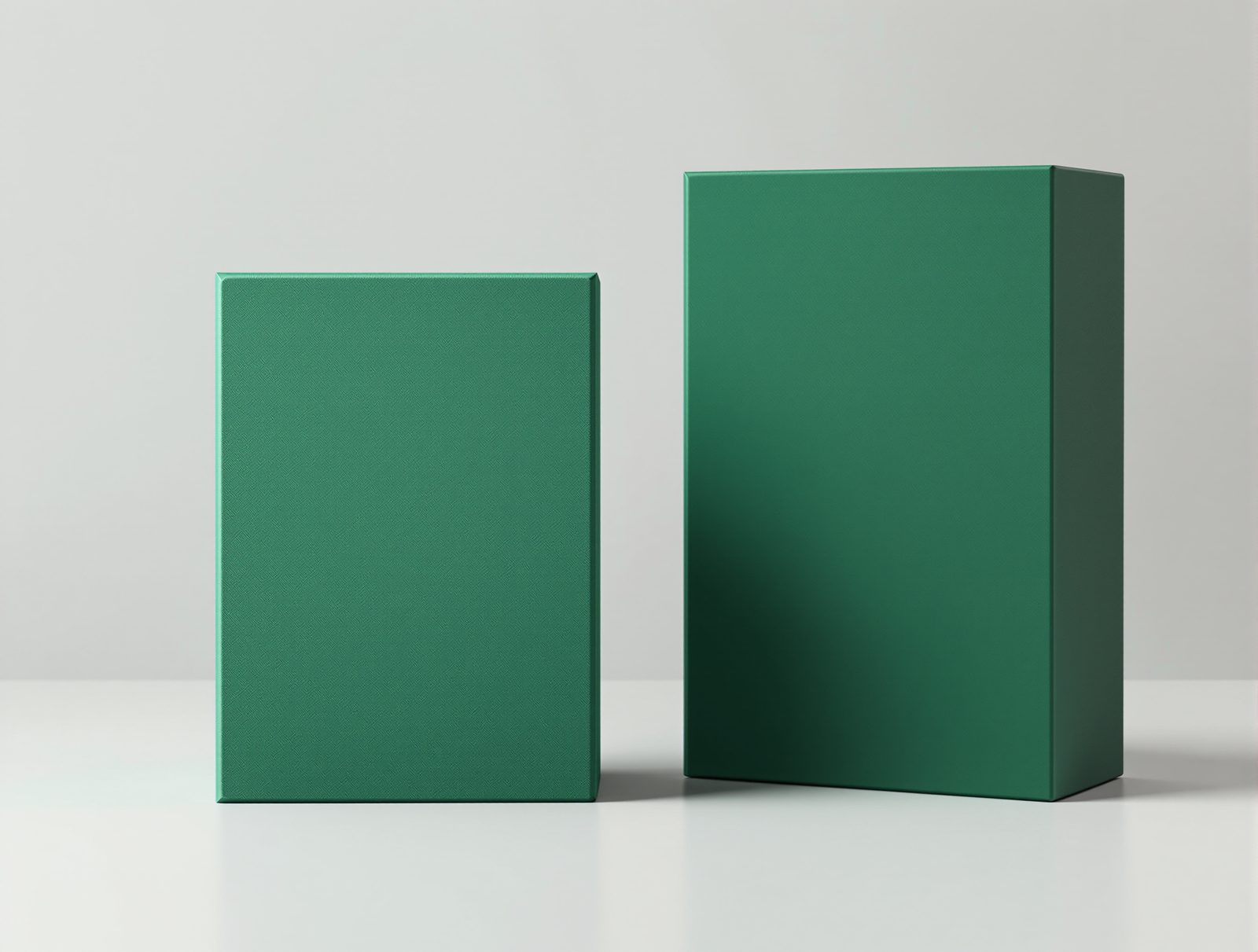
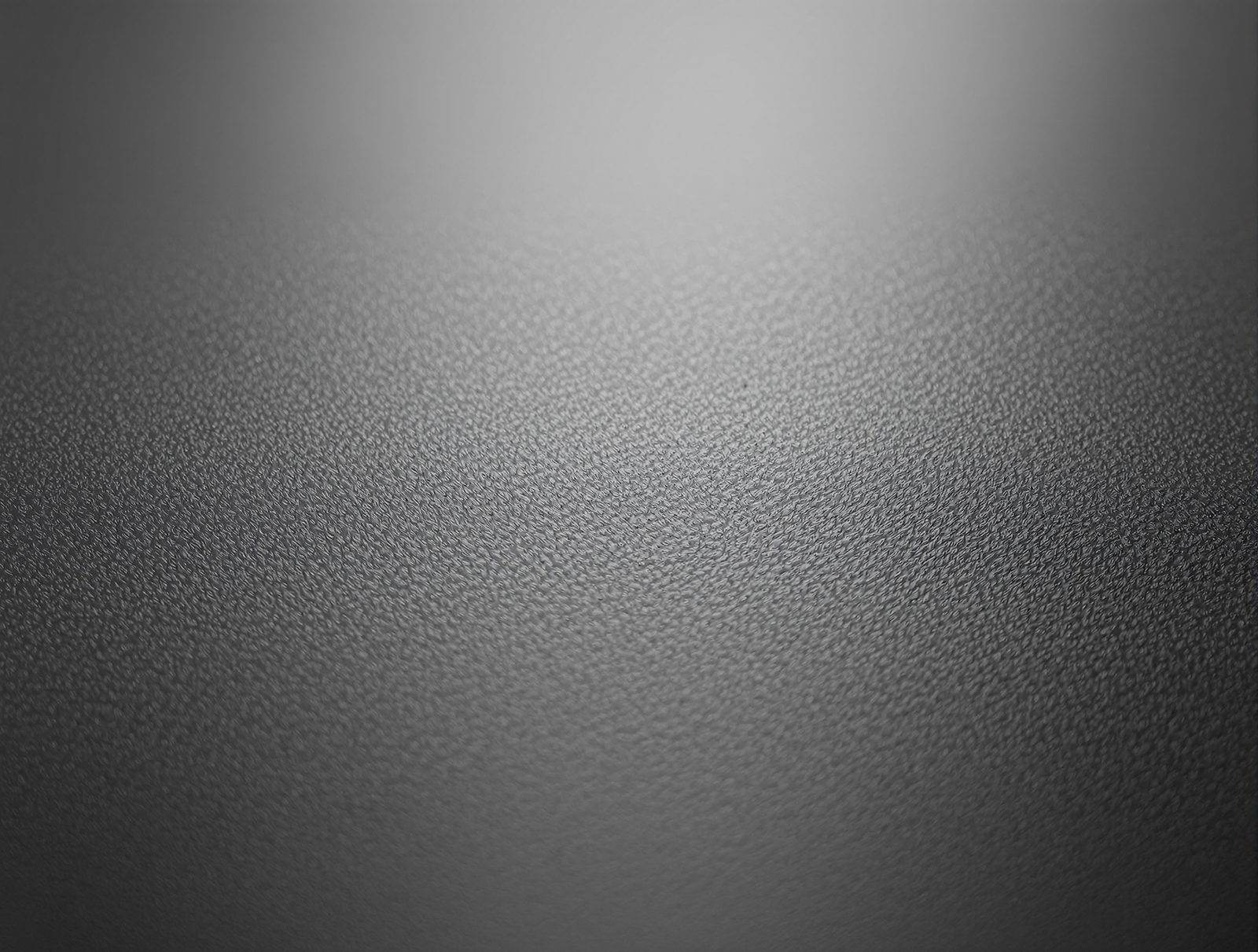
At VSL Packaging, matte packaging finish work is specified, proofed, and produced to spec out of New York City. Matte is a low-sheen surface treatment applied across an entire panel — a laminate film bonded under heat and pressure, or a water-based varnish cured in-line — that kills glare and leaves the printed art reading soft rather than reflective. Where spot UV adds shine to one small area, matte does the opposite across the whole surface: it's the quiet, non-reflective base most other finishes are built to contrast against.
What Matte Lamination and Coating Actually Do
Two different processes both get called "matte," and they aren't interchangeable. Matte lamination bonds a thin plastic or bio-based film to the printed sheet under heat and pressure, adding a durable, low-gloss skin that resists scuffing, moisture, and the white cracking you sometimes see at score lines on unlaminated stock. Matte coating — sometimes called matte varnish — is a liquid finish cured in-line rather than laminated on: thinner and cheaper per unit, but it doesn't protect against moisture or abrasion the way a laminate film does. We specify both processes ourselves, so the choice comes down to handling and shipping needs, not what a vendor has on hand.
Soft-Touch: The Velvet Variant
Soft-touch laminate is a step beyond standard matte — the same low-sheen look, but with a texture engineered to feel slightly rubbery or velvety under a fingertip. It's a popular upgrade for skincare and cosmetics boxes, where the unboxing moment includes physically holding the packaging, since the tactile cue reinforces the premium read the surface already sends visually. The tradeoff: soft-touch shows fingerprints and light scuffing more readily than standard matte — the same texture that feels good under a thumb also holds a thumbprint's oil.
Matte Finish vs. Glossy Finish and Satin: What Changes
The tradeoffs between a matte finish, a glossy finish, and satin come down to glare, fingerprints, and perceived value. A gloss coating shows color at its most saturated but also shows fingerprints, scuffs, and glare under retail lighting more than any other finish. Matte does the reverse — glare and fingerprints mostly disappear, though color can read slightly muted by comparison. Satin splits the difference. Which one reads as "premium" is brand-dependent: matte reads restrained and minimal, gloss reads bold and vivid, and neither is objectively better — it depends on what the brand is trying to say on a shelf.
Pairing Matte With Spot UV and Foil
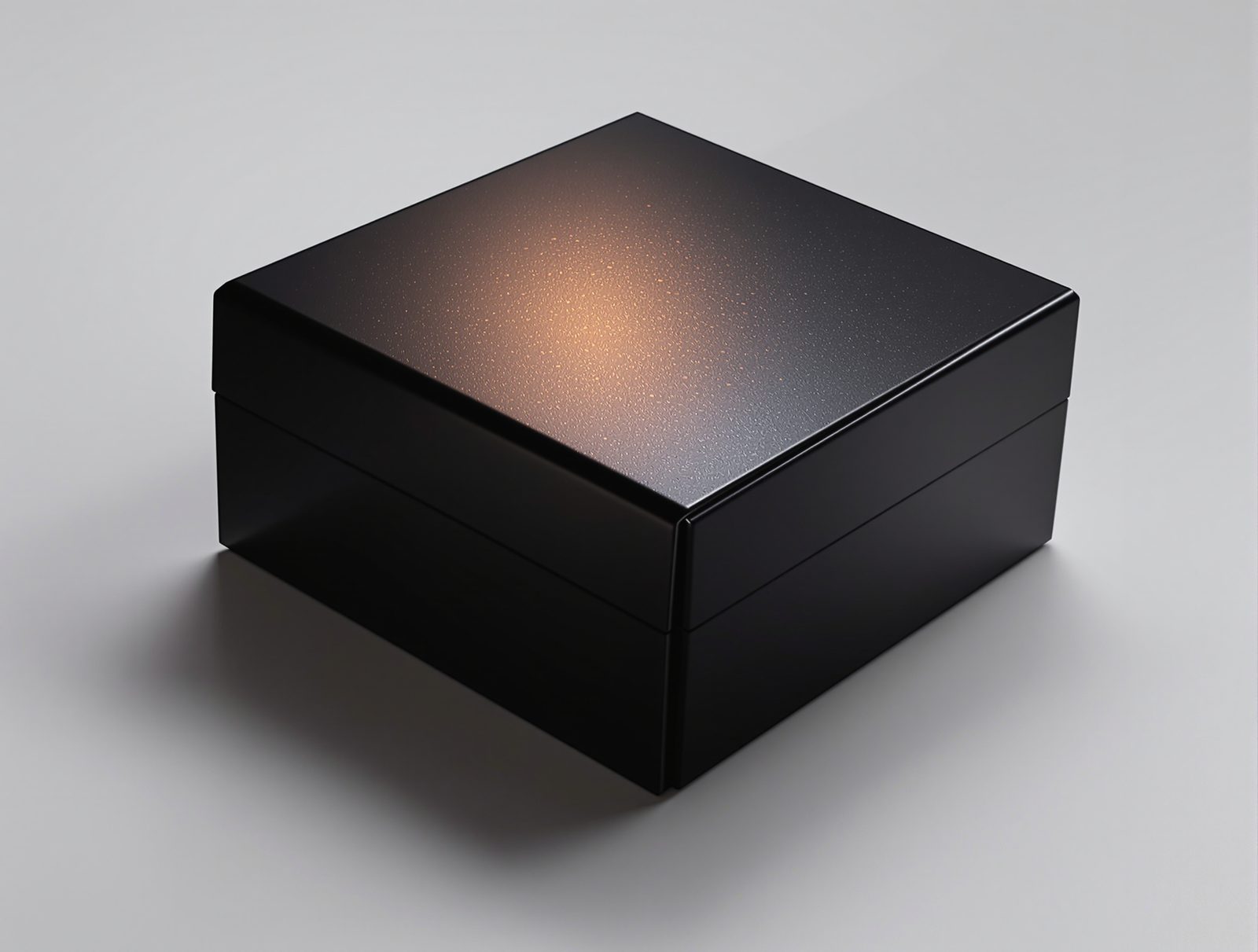
A matte finish's value often shows up in what it sets off rather than what it does alone. A matte base is the field that spot UV accents need to register — coat a logo in gloss over a matte panel and the contrast reads instantly, since the surrounding surface absorbs light instead of competing with the coated mark. Foil stamping works the same way: a metallic hit lands harder against a matte background than over a surface that's already reflective. We'll typically default new luxury and skincare projects to a matte base for that reason, then layer spot UV or foil onto the one or two elements that need to lead.
Best-Fit Products for a Matte Finish
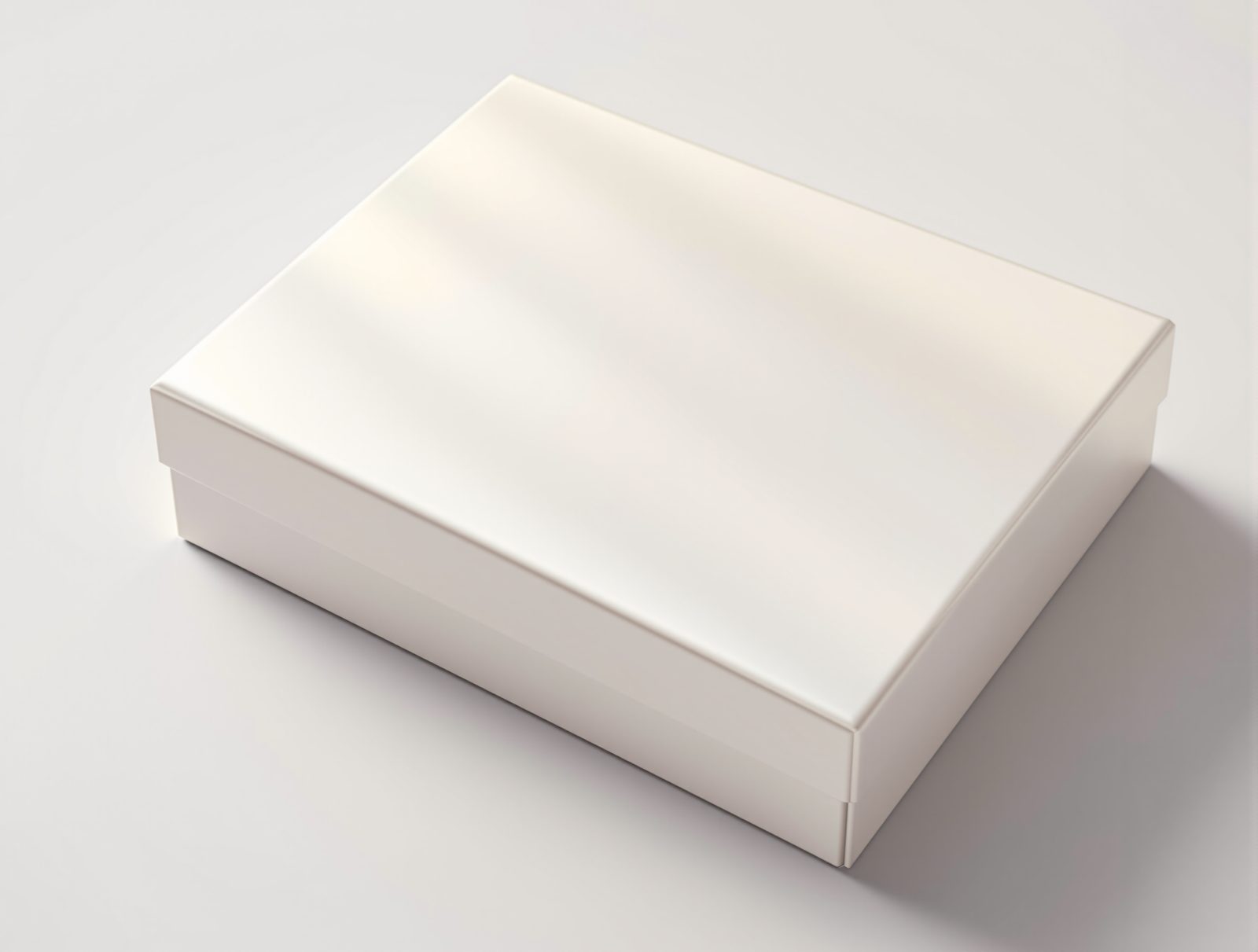
Matte earns its keep where restraint reads as quality: luxury goods, skincare, and minimalist consumer brands generally lean toward a matte packaging finish over gloss. A minimalist box with a single color and a small logo has nowhere to hide under gloss lighting — every fingerprint and scuff shows. The same box in matte looks intentional and clean through handling, shelf time, and shipping. It's a weaker fit where bright, saturated color has to sell the product at a glance — toys and some food categories still lean toward a gloss finish — but for a brand built around a quiet, premium first impression, matte is usually the starting point.
This isn't limited to rigid boxes and cartons — matte pouches and matte-wrapped flexible packaging show the same benefits across food, beauty, and pet-care industries, wherever a brand wants its colors to read calm rather than shiny. Across store shelves full of glossy competitors, a matte type of finish creates a smooth, low-reflection surface that helps a product stand out precisely because it isn't fighting for the same shine everyone else is using. The effects are consistent across material: a matte surface breaks up the reflections that glossy wraps can't avoid, and customers notice the difference in hand even before they notice it on the shelf.
Applying Matte to Rigid Boxes and Folding Cartons
Substrate changes how matte performs. On rigid box builds, where wrapped paper sits over a solid board core, matte laminate goes down flat and even, with no folding to work around afterward — a strong match for a lid that needs to look flawless from every angle. On folding cartons, matte coating or lamination happens before the sheet is cut and scored, so it has to tolerate folding along score lines without cracking, which is why we test fold performance during prototyping rather than assuming a spec behaves the same on every board weight.
Matte Packaging FAQs
What is a matte packaging finish? A low-sheen, non-reflective surface treatment applied across an entire printed panel — either a laminate film bonded under heat and pressure or a liquid matte coating cured in-line — that kills glare and gives boxes a soft, flat look and feel.
Is matte lamination the same as soft-touch? No. Standard matte lamination is flat and low-sheen; soft-touch laminate adds a rubbery, velvety texture on top of that same low-sheen look, at the cost of showing fingerprints more readily.
Does a matte finish or a glossy finish look more premium? Neither, on its own — it depends on the brand. A matte finish reads restrained and minimal with no glare or fingerprints; a glossy finish reads bold and highly saturated but shows handling more. Most luxury and skincare brands lean matte; brands built around vibrant color often lean gloss.
Start the Conversation
Tell us the product and where it is headed — we will scope the work before anything goes to press.