VSL Packaging — NYC custom packaging company

Industry

Home Goods Packaging

Home goods packaging for kitchenware, décor, and textile brands — engineered around the reality that ceramics chip and glassware cracks under compression, and a dinnerware set that survives shipping nine times out of ten still costs a retailer the tenth customer.

Home Goods packaging by VSL Packaging

What This Industry Runs

The Formats Home Goods Brands Order

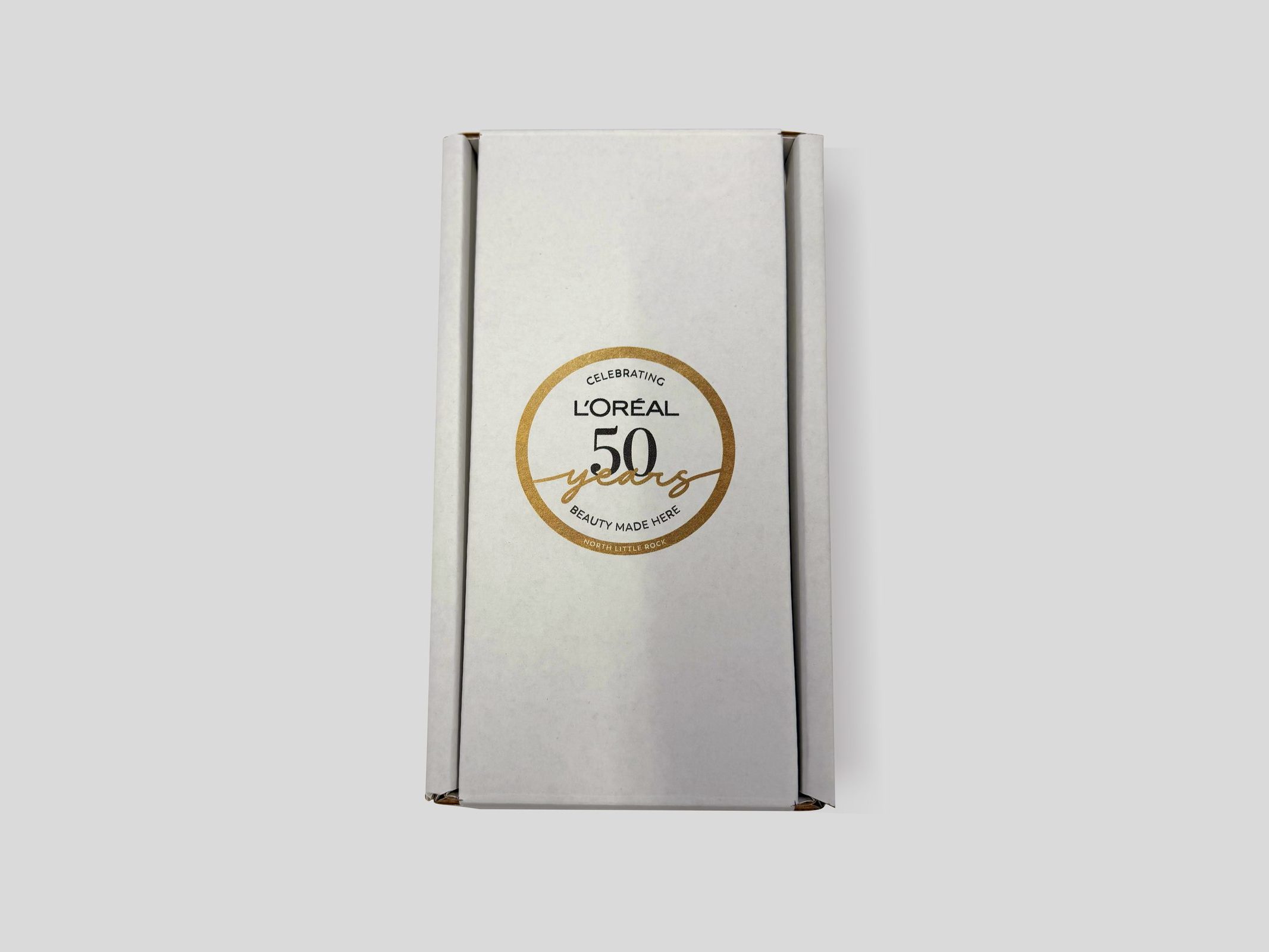
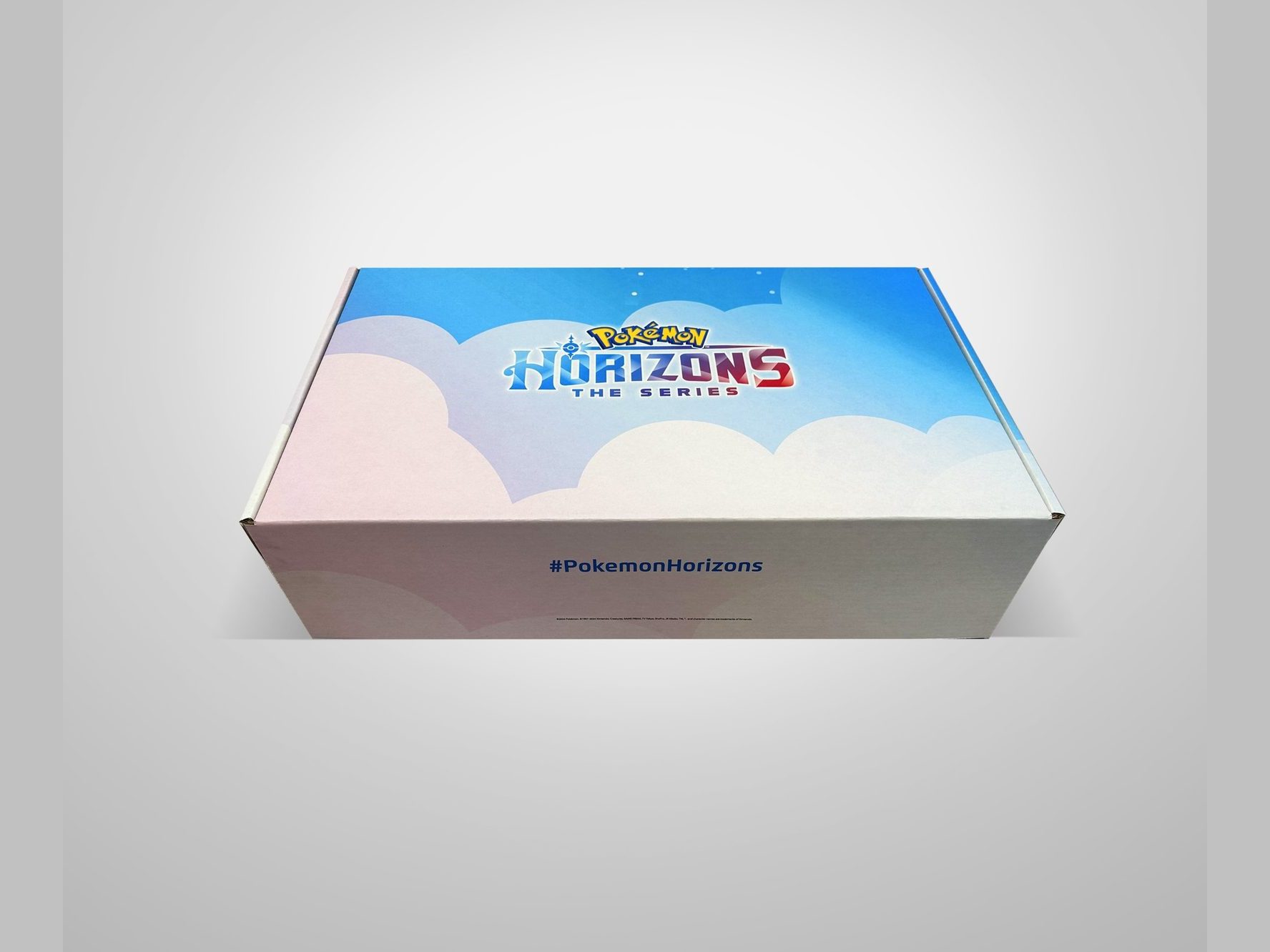
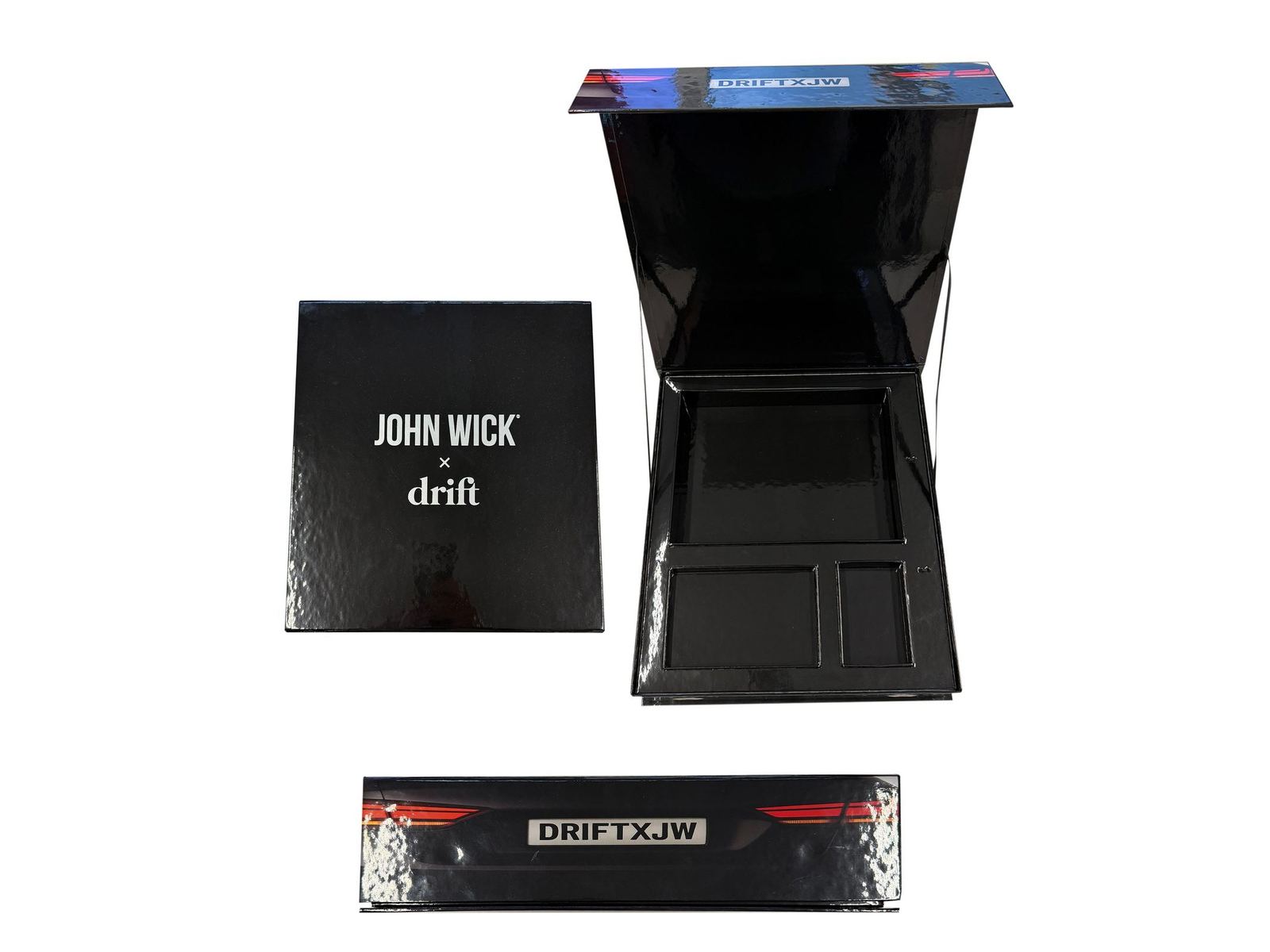
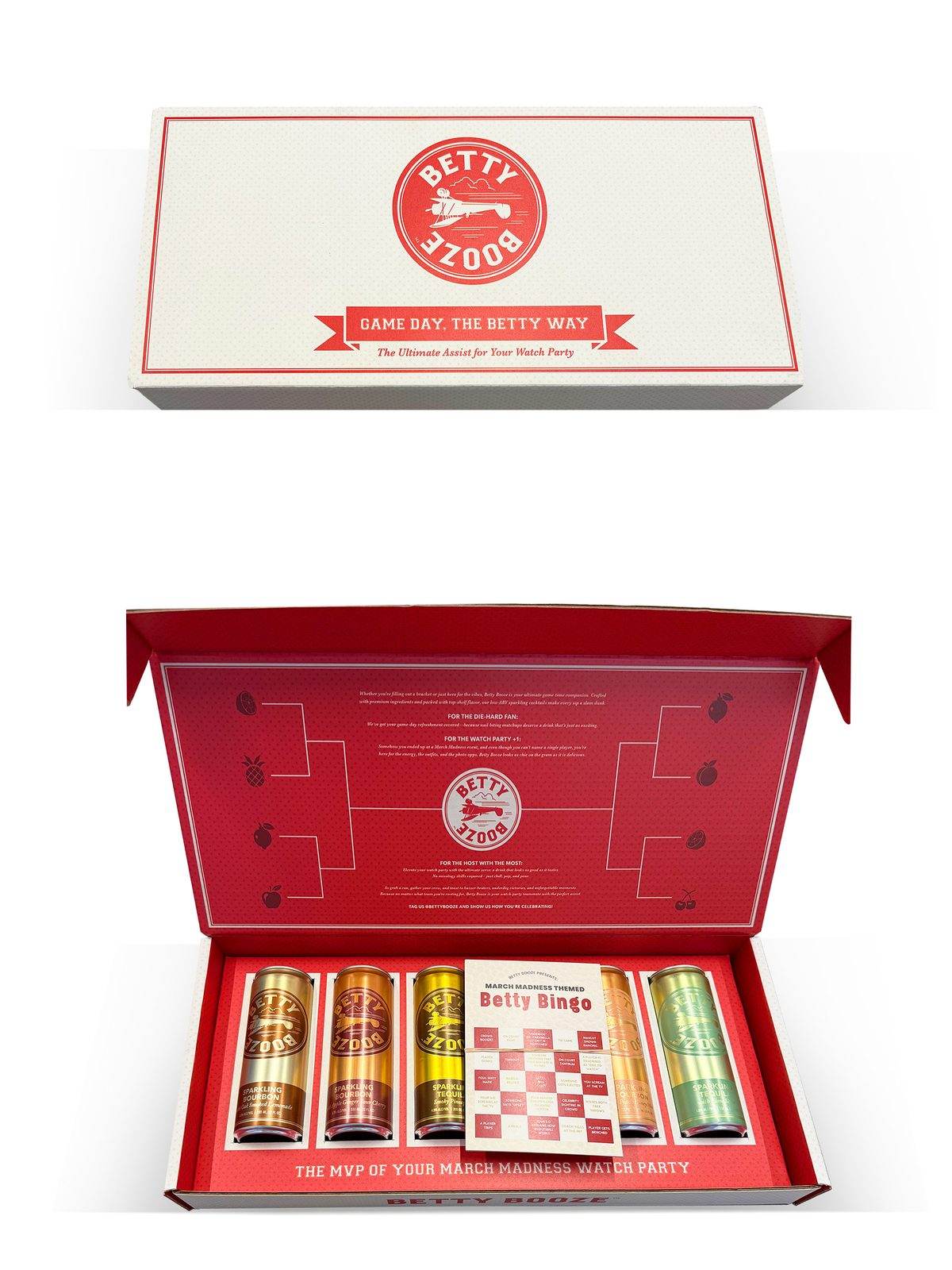
White L'Oréal 50th-anniversary mailer box with a gold seal, closed, by VSL PackagingShipping BoxesTransit construction specced against the failure case, not the average one.Pokémon Horizons printed corrugated mailer box, closed, by VSL PackagingMailer BoxesSingle-parcel e-commerce packs for décor and textile SKUs.Black gloss rigid box with fitted insert and printed sleeve, John Wick × drift, by VSL PackagingRigid BoxesPremium presentation for gift-tier kitchenware and décor.Betty Booze shelf-ready retail tray holding printed cans, by VSL PackagingShelf-Ready BoxesRetail cases that open into a shelf-facing display.

Ceramics chip. Glassware cracks under compression. A dinnerware set that survives shipping nine times out of ten still costs a retailer the tenth customer, the return label, and the one-star review that follows. That math shapes every decision we make when we build home goods packaging for kitchenware, décor, and textile brands.

We engineer custom home goods packaging out of Manhattan's Garment District. That puts us in a small group of household package manufacturers still managing dielines, print, and assembly as one team instead of brokering the work through a sales office. When a client's stoneware shipment arrives cracked, we can pull the corrugated spec, check flute crush strength, and rework the insert design the same week — a turnaround that matters more in home goods than in almost any other category we produce for, because the margin for error on fragile, heavy, or oddly shaped items is thin.

Protecting fragile home goods from dock to doorstep

Kitchenware and décor share a common enemy: movement inside the box. A candle jar or a set of tumblers doesn't need to be crushed to be ruined — a quarter-inch of shift during a cross-country truck route is enough to chip glaze or crack a base. We build cushioning around a product's actual weight and center of gravity rather than defaulting to a generic foam pad, and we test constructions on physical prototypes before a design goes into production, so a filled case travels the same whether it's headed one mile or one thousand.

Tamper-evidence matters too. Buyers of home goods increasingly expect the same sealed, undisturbed unboxing experience they'd get from a cosmetics or electronics brand, so we build closures and seals into the structural design instead of relying on tape as an afterthought.

Formats for kitchenware, décor, and textiles

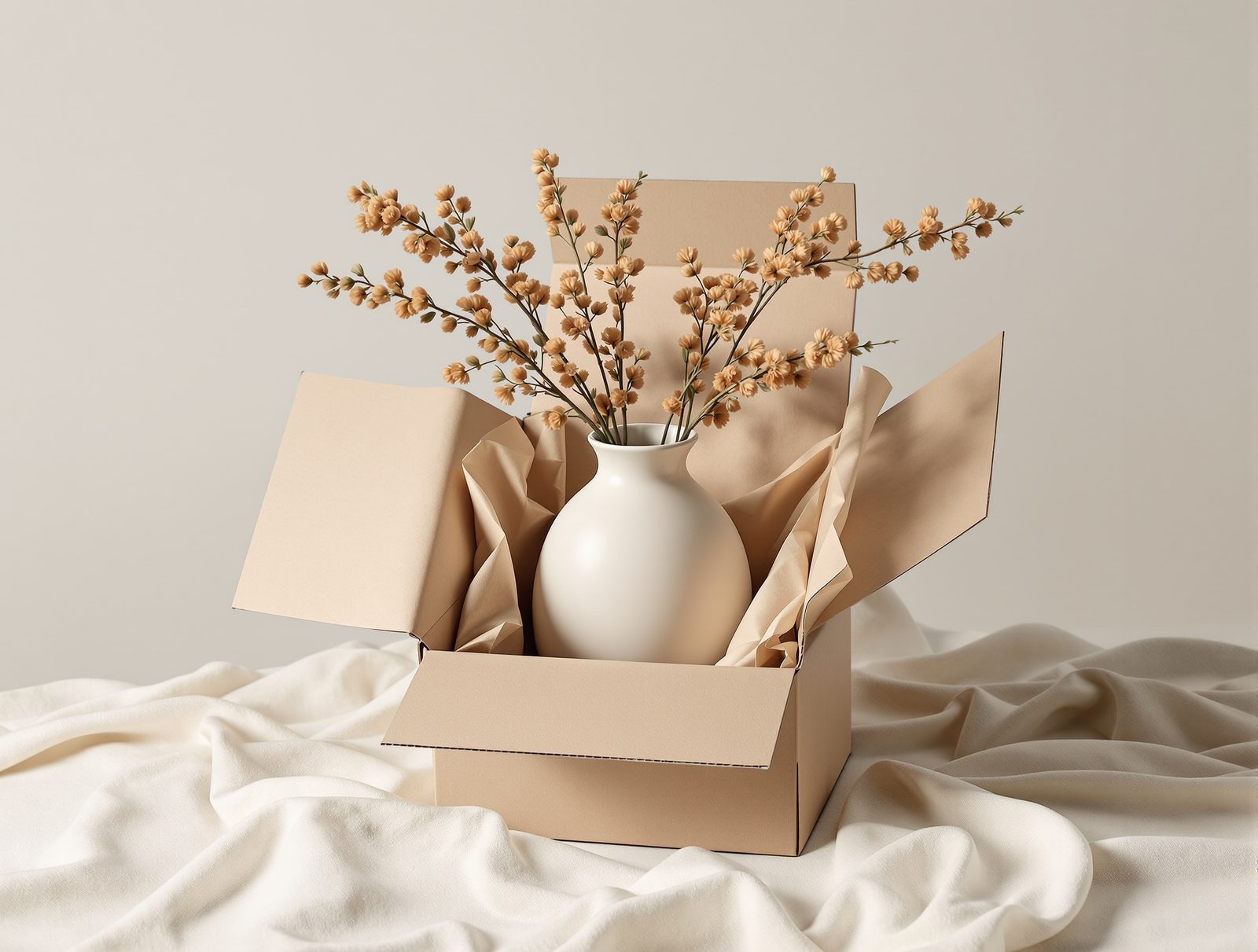
Each home goods category asks for a different box. Kitchenware — cookware sets, ceramics, glassware — needs rigid walls and engineered inserts that isolate each piece, so we build a lot of it as rigid-wall boxes, since the thicker wall holds its shape under stacking pressure in a way a folding carton can't. Home décor — framed art, lighting, textiles, throw pillows — tends to run lighter but bulkier, so the priority shifts to dent resistance and print quality, since décor packaging often sits on a shelf as part of the product's presentation. Décor also covers a wide variety of shapes that don't fit a standard template — planters and potted plants, framed mirrors, oversized vases — each needing an insert that gives the piece real support rather than a generic foam pad. We build the box around what's actually inside rather than asking a product to fit a box already on the shelf. Linens and blankets compress well, which lets us run lighter folding cartons without sacrificing protection and puts the savings into finishing instead.

Retail shelf-ready vs. e-commerce packaging

A box built to survive a parcel network and a box built to sell itself on a shelf aren't the same box, and treating them as interchangeable is where home goods brands lose money. Retail placement calls for shelf-ready boxes that a store associate can slice open and set directly on the shelf, with graphics engineered to face out and hold up under store lighting. E-commerce calls for something different: e-commerce mailer cartons sized tight to the product to cut void fill and dimensional-weight shipping costs, engineered to survive parcel handling rather than store handling. Brands selling through both channels usually need two distinct box files, not one box stretched to do both jobs.

Inserts that do the heavy lifting

Inserts are where most of the protection actually happens. A die-cut corrugated or molded fiber insert — sometimes backed with a paper interleaf for glazed ceramics — holds each piece away from the box wall and away from its neighbors, which is what prevents the glass-on-glass or ceramic-on-ceramic contact that causes chipping in transit. For heavier items like cast iron or stoneware, we'll often pair corrugated shipping boxes with a partitioned insert rather than relying on the outer box alone — the insert carries the load, the outer box carries the insert, and a fully filled case still holds its shape under stack pressure. We prototype insert fit in-house before committing to a production die, which catches sizing problems before they show up as damage claims.

Why home goods brands work with a NYC manufacturer

Low minimum order quantities matter to home goods brands more than most, because SKU counts run high — a single dinnerware line can need five or six box sizes. Managing production ourselves lets us hold MOQs down without pushing lead times out, and it means design changes go through our own prototyping and 3D rendering process rather than a round trip to an overseas factory. We also work in recyclable and biodegradable stock where a brand wants it, since sustainable sourcing has become a real purchase driver in home goods specifically, and we handle custom label production alongside the box itself.

Storage space is its own cost center for home goods brands, on both ends of the supply chain. A carton that stacks cleanly saves warehouse storage space before it ever ships, and a shelf-ready case that doesn't waste depth saves the same space on a retail floor. Over a full year of reorders that adds up, and it shows up twice — once in the box cost and once in the freight bill, with filled trucks instead of half-empty ones. We plan for that at the dieline stage rather than after a warehouse runs out of room.

Home Goods Packaging FAQs

What's the difference between shelf-ready and e-commerce packaging for home goods? Shelf-ready packaging is built for a store associate to open and display, with graphics designed to face out on a shelf. E-commerce packaging is sized to the product to control shipping costs and engineered to survive parcel carrier handling instead of store handling — most multi-channel brands end up needing both.

How do you protect fragile items like glassware and ceramics during shipping? We build custom inserts around the product's actual weight and center of gravity, isolate individual pieces from each other and from the box wall, and test the construction on a physical prototype before it goes into production.

What's your minimum order quantity for custom home goods packaging? We keep MOQs low because home goods brands typically carry several box sizes within one product line. Request a quote and we'll size the run to your SKU count and timeline.

Whether you're packaging a kitchenware line, a décor collection, or a textiles brand selling across retail and e-commerce, we prototype in-house in New York and can take a design from sketch to production run in one process.

Considerations

What Home Goods Packaging Has to Get Right

Fragile Goods, Dock to DoorstepCeramics chip and glassware cracks under compression, so structure gets specced against the failure case.
Inserts That Do the Heavy LiftingInserts carry the weight and absorb the shock so the outer box isn't asked to do it alone.
Shelf-Ready vs. E-CommerceA retail shelf-ready case and a single-parcel shipper are two different jobs.

Related Industries

IndustrialJewelryLuxuryMedicalNutraceuticalsPet CareAll 22 industries →

Package Your Home Goods Line

Tell us the product, the channel, and the quantity — we'll map boxes, bags, and mailers to one program.

Get a Quote