Finishing
Spot UV Packaging
A clear coating cured under ultraviolet light and applied only to selected areas of a printed sheet, so a logo, icon, or pattern picks up a hard, glass-like gloss while the rest of the panel stays exactly as printed. Specified and proofed in Manhattan.
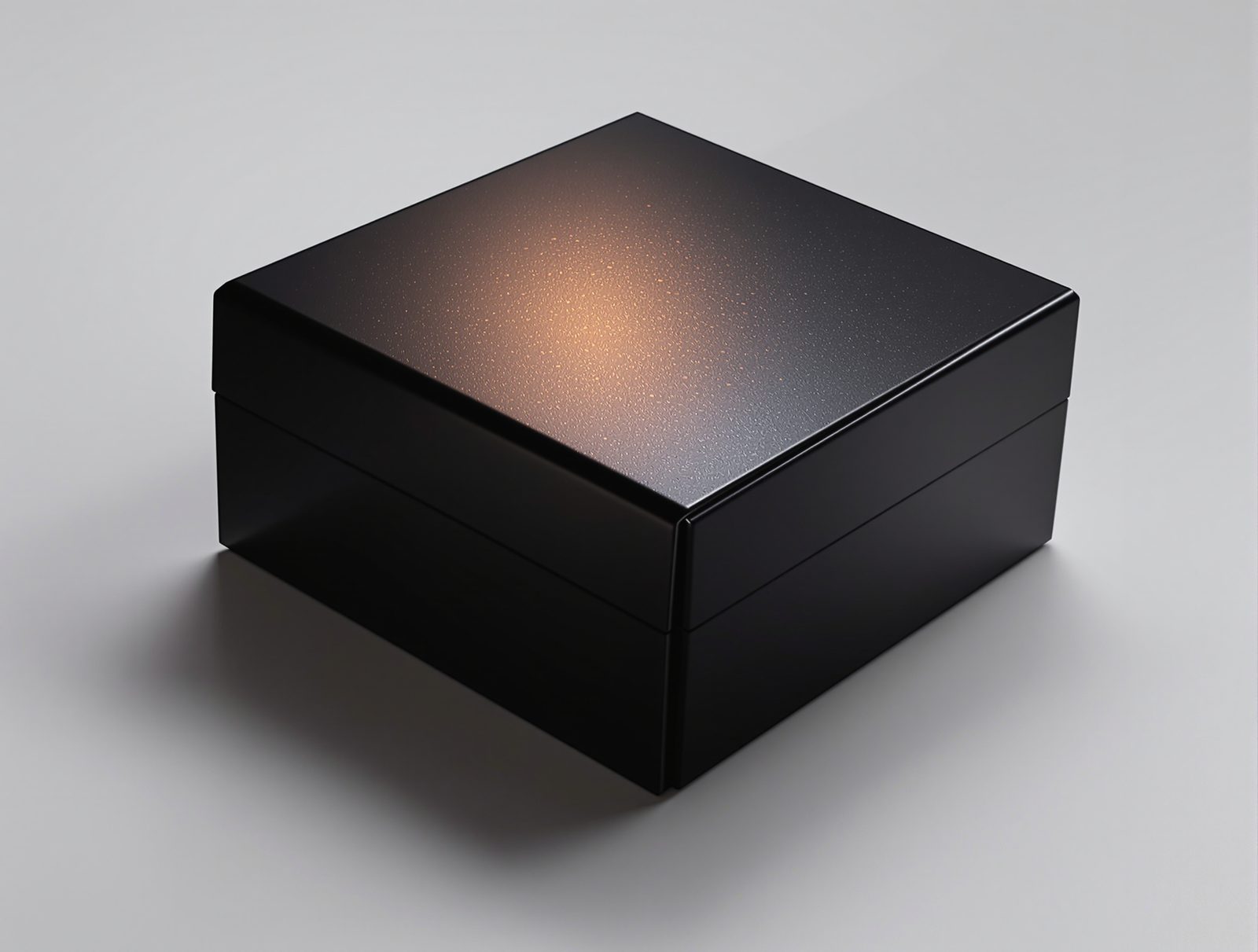
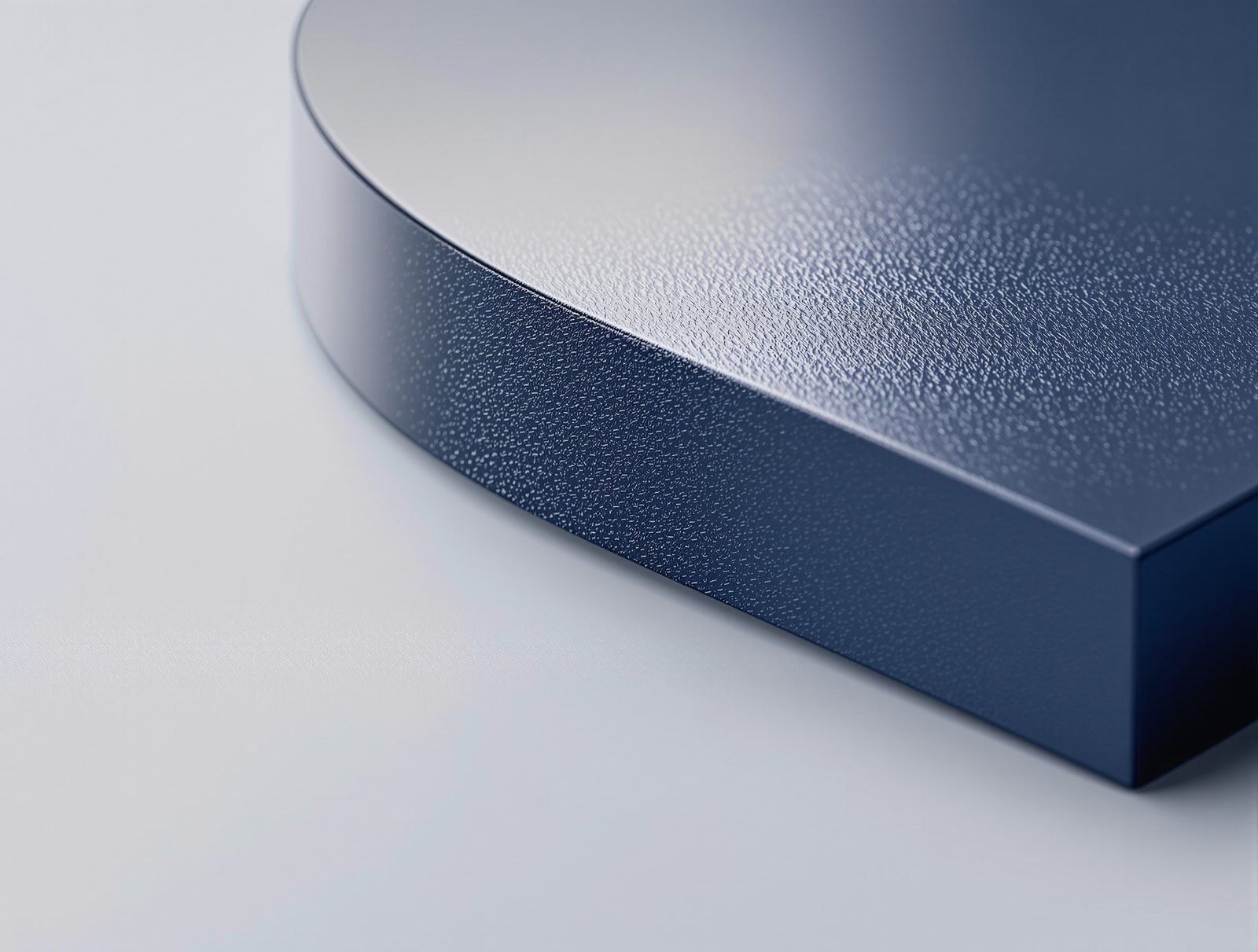
At VSL Packaging, spot UV packaging is something we specify, proof, and supervise all the way through the run, not a detail left to whoever happens to be coating the sheet. Spot UV is a clear coating cured under ultraviolet light and applied only to selected areas of a printed sheet — a logo, an icon, a line of type — rather than across the whole surface. The coated area picks up a hard, glass-like gloss while the rest of the panel stays exactly as printed, which is what gives spot UV packaging its name: the effect shows up only where you spot it.
What Spot UV Coating Actually Does
It's easy to lump spot UV in with printing, but it isn't one. Spot UV is a coating technique, applied after the artwork is printed, that builds a raised, glossy layer over specific elements instead of adding new ink or color. Because it's cured under UV light rather than air-dried, it sets almost immediately, so a spot UV run doesn't add days to a production schedule the way some liquid coatings do. That speed comes with precision: the coating registers tightly to the printed art beneath it, so fine type and thin logo strokes stay crisp instead of blurring at the edges.
Beyond the visual lift, spot UV functions as a protective layer. Coated areas resist moisture and scuffing better than uncoated stock, so a lid or a shelf-facing logo holds its shine through shipping and handling instead of dulling. It's also solvent-free, so a spot UV run doesn't add VOCs to a project already built around FSC-certified board and water-based inks.
Why Spot UV Reads Best Against a Matte Field
Spot UV is a contrast effect, and contrast needs a quiet background to work against. Run it over a glossy sheet and the coated area barely registers — everything is already shiny. Run the same coating over a matte finishing base, and the difference is immediate: the surrounding panel absorbs light while the coated logo or pattern throws it back, so the eye goes straight to the mark every time. That's why most of our spot UV packaging work starts with a matte base coat as the field and reserves the gloss for the one or two elements that need to lead — a wordmark, a badge, a border. A soft touch laminate creates a similarly quiet field, so a spot UV accent over a soft-touch or matte finish base is one of the most requested combinations we run.
Spot UV Coating vs. Spot Gloss, Gloss UV, and Blind Spot UV
The naming around this finish gets used loosely — spot gloss, gloss UV, and spot UV coating all describe the same process — but the underlying spot UV printing step is consistent: a clear coating cured under UV light, registered to specific areas of the artwork. Blind spot UV is the variant run without any ink or color underneath the coating, so the raised gloss reads purely through texture and light reflection rather than contrast with a printed color, similar in spirit to a blind embossing pass. It's a subtler effect, and one that works best on a plain or lightly printed field where the coating itself is meant to be the detail.
Where Spot UV Packaging Works Best
Spot UV earns its keep on anything meant to be read at a glance: logos, wordmarks, icons, and repeating patterns. On a folding carton or rigid box, a coated logo on the front panel catches light differently depending on the angle it's viewed from, giving a printed product a premium look without adding color or print complexity — the same lift it brings to product packaging generally, wherever a single mark needs to lead the design. Repeating patterns — a subtle texture, a brand monogram tiled across a panel — also benefit, since spot UV can trace a pattern's outline without flooding the whole surface in gloss. It's a poor match for large blocks of solid color or full-bleed photography, where the coating would either disappear into the existing shine or fight with the image; it works best as an accent, not a background treatment.
Pairing Spot UV With Foil, Embossing, and Gloss
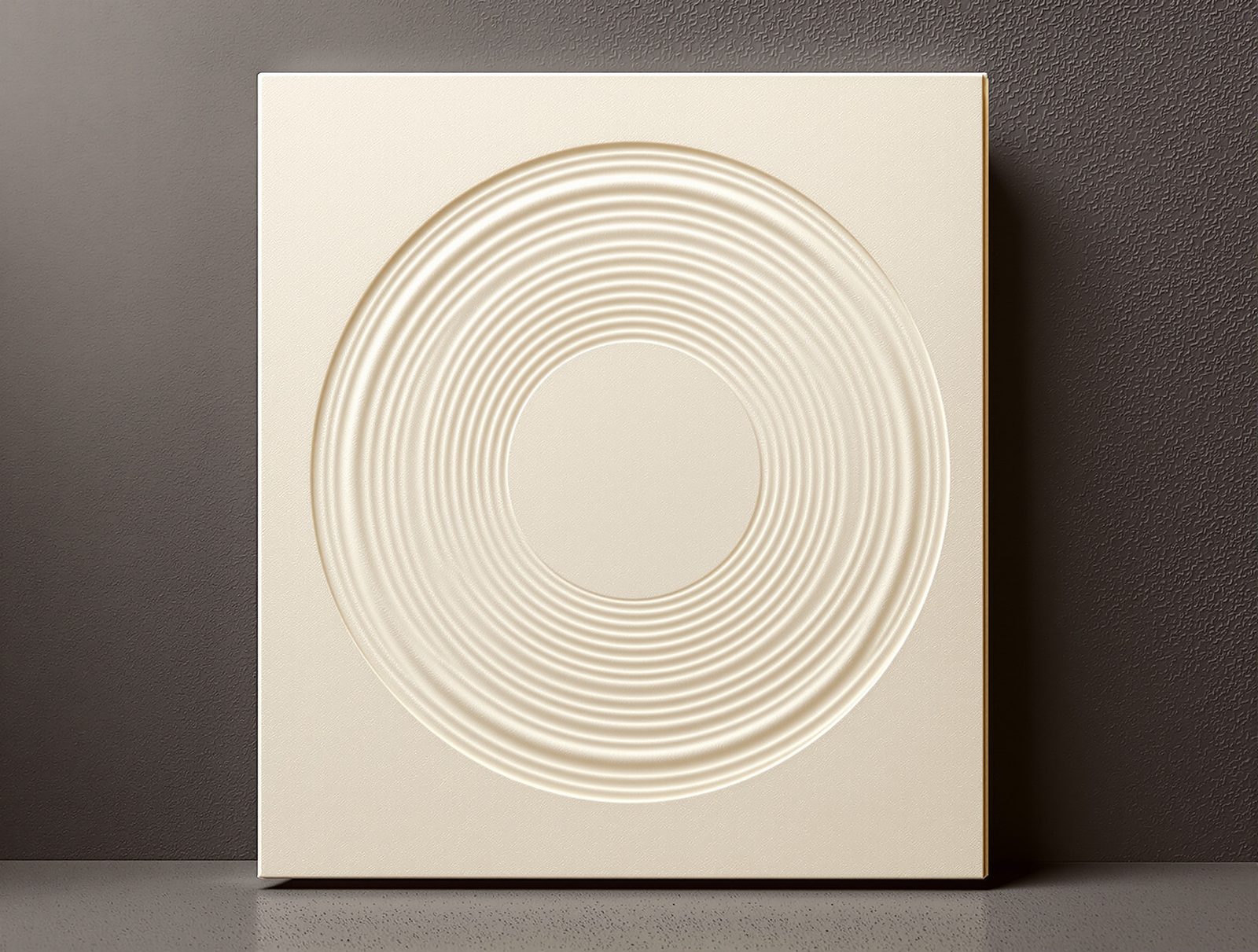
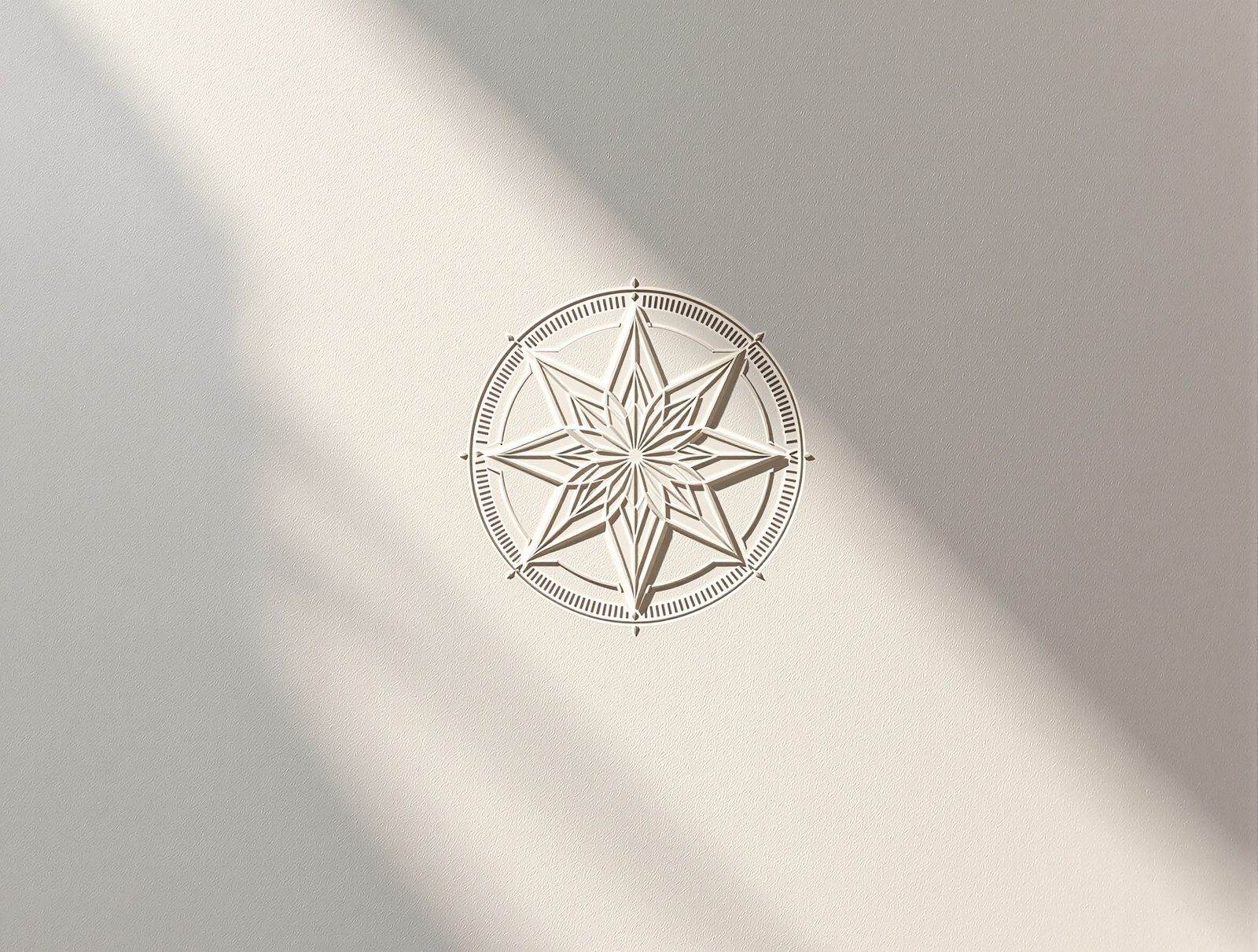
Spot UV is rarely the only finish on a panel. Foil stamping adds metallic color under or alongside a spot UV hit, so a logo can carry both a gloss edge and a foil fill. Embossing does something similar in three dimensions — the mark is raised off the surface as well as coated, so it reads by touch as well as by light. Pair it with gloss finishing for extra depth and detail when the brief calls for shine across a larger area rather than a single accent mark; we'll scope which combination fits the artwork during prototyping rather than guessing from a spec sheet.
Applying Spot UV to Rigid Boxes and Cartons
Substrate matters here. On rigid-style boxes, where wrapped paper sits over a rigid board core with almost no give, a spot UV hit stays flat and reads with minimal distortion — ideal for a crisp logo on a lid or a magnetic-closure flap. On folding cartons, spot UV runs directly on the printed sheet before it's cut and glued, so coated elements have to stay clear of fold lines or risk cracking as the panel scores. Either way, we run the coating ourselves rather than shipping sheets out, which keeps registration between artwork and coating tight from proof to production.
Spot UV Packaging FAQs
What is spot UV in packaging? Spot UV is a clear, glossy coating cured under ultraviolet light and applied to selected areas of a printed panel — a logo, icon, or pattern — rather than the whole surface, so that element stands out against the surrounding print.
Does spot UV work better with matte or gloss packaging? Matte. Spot UV is a contrast effect: it's most visible against a matte base — whether that's matte lamination or a liquid matte coating — where the surrounding surface absorbs light and the coated area reflects it. Over a fully glossy panel, the coating has far less visual impact.
Can spot UV be combined with foil stamping or embossing? Yes. Foil adds metallic color, embossing adds a raised, tactile surface, and spot UV adds gloss — the three are commonly combined on the same logo or mark to layer color, texture, and shine.
Start the Conversation
Tell us the product and where it is headed — we will scope the work before anything goes to press.