Abilities
Packaging Design
Structure and graphics worked together from the first sketch in New York City, from initial concept through production-ready files.
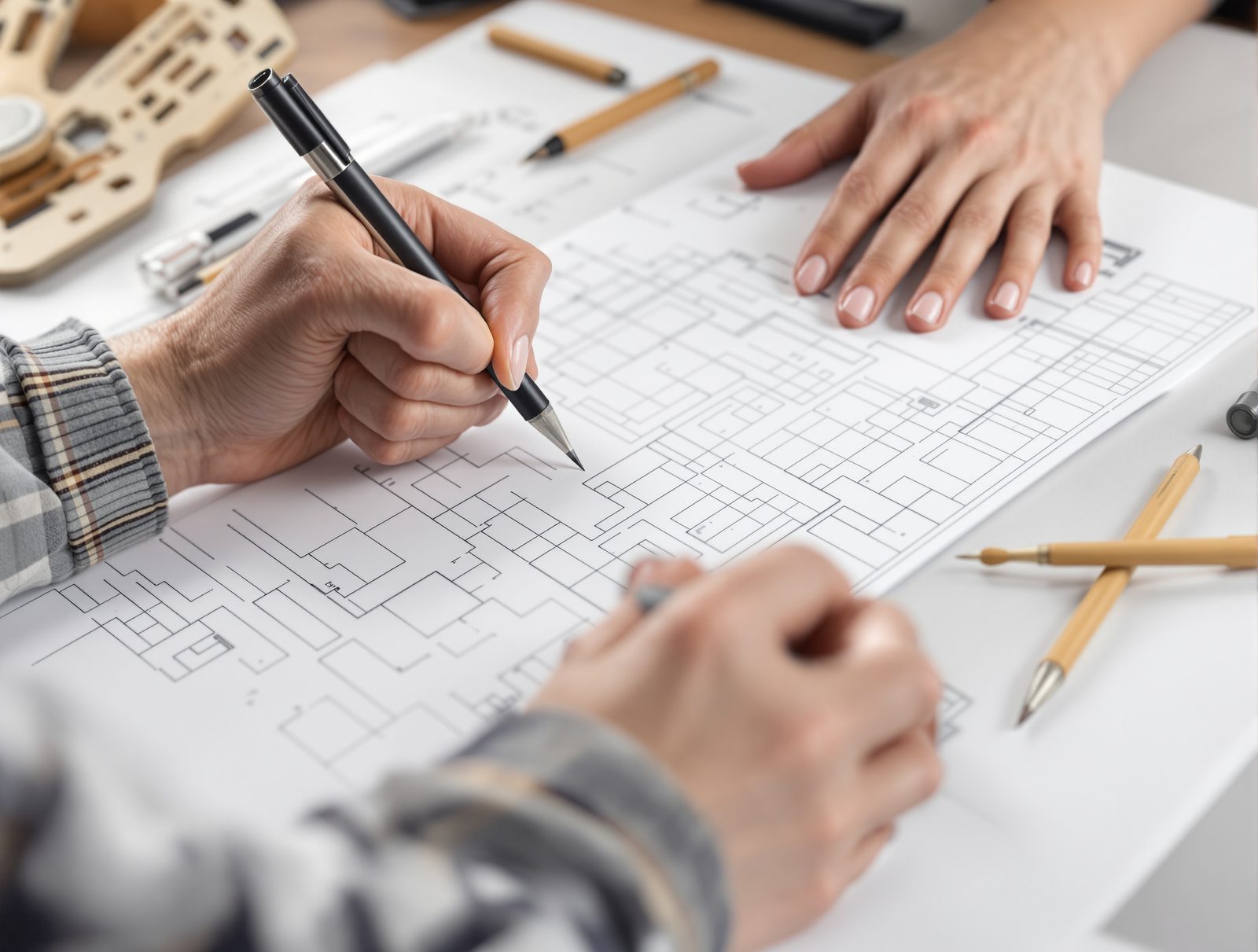
Packaging design is where a product's presentation gets decided — long before a die is cut or a plate goes on press. In New York City, our custom packaging design team works structure and graphics together from the first sketch, because a box that looks right on a screen and a box that folds, ships, and holds up on a shelf are two different problems, best solved at the same time. We handle custom packaging design in-house, from initial concept through production-ready files, for brands that want packaging design NYC manufacturers can turn straight into physical product without a design-to-factory handoff. When we design packaging, the goal is effective packaging design that carries brand identity from a rough sketch to a shelf-ready box — not just a structure that folds correctly, but one consumers pick up over the competing box next to it.
Structural Design vs. Graphic Design
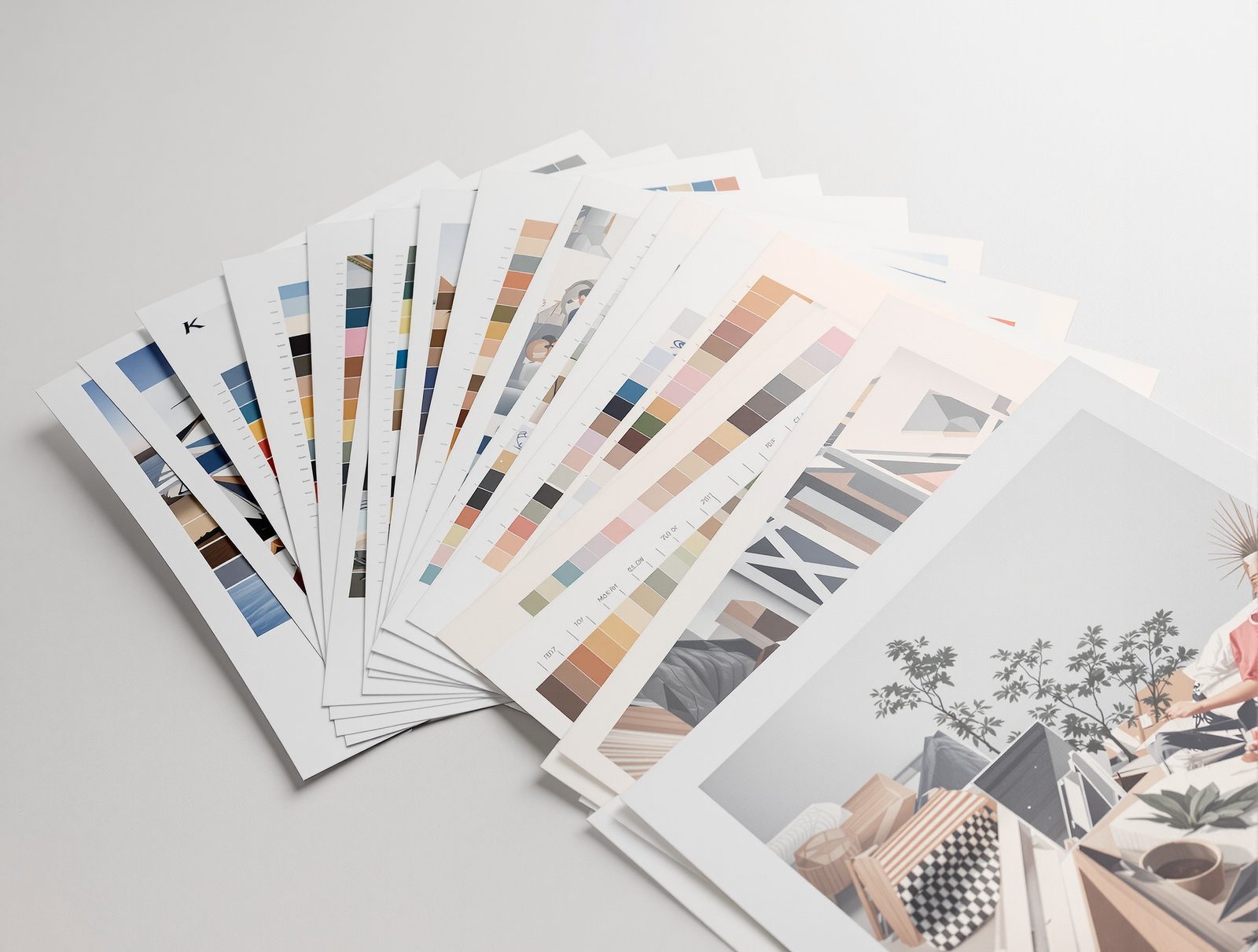
These are two disciplines that only look like one job from the outside. Structural design is engineering: panel dimensions, glue flaps, tuck mechanisms, wall thickness, and how the piece performs under the weight and shipping conditions your product demands. Graphic design is everything printed onto that structure — layout, typography, color, and finish treatments like embossed packaging design details that carry brand identity. A structure can be sound and still fail on shelf if the graphics don't work within its panels; graphics can be flawless and still fail in transit if the structure wasn't engineered around the product inside. We keep both disciplines on the same team so neither one gets designed in isolation from the other. Both are just elements of the same box: structure gives brand identity somewhere to live, and graphics give a well-built box a reason to get picked up in the first place.
Dieline Development
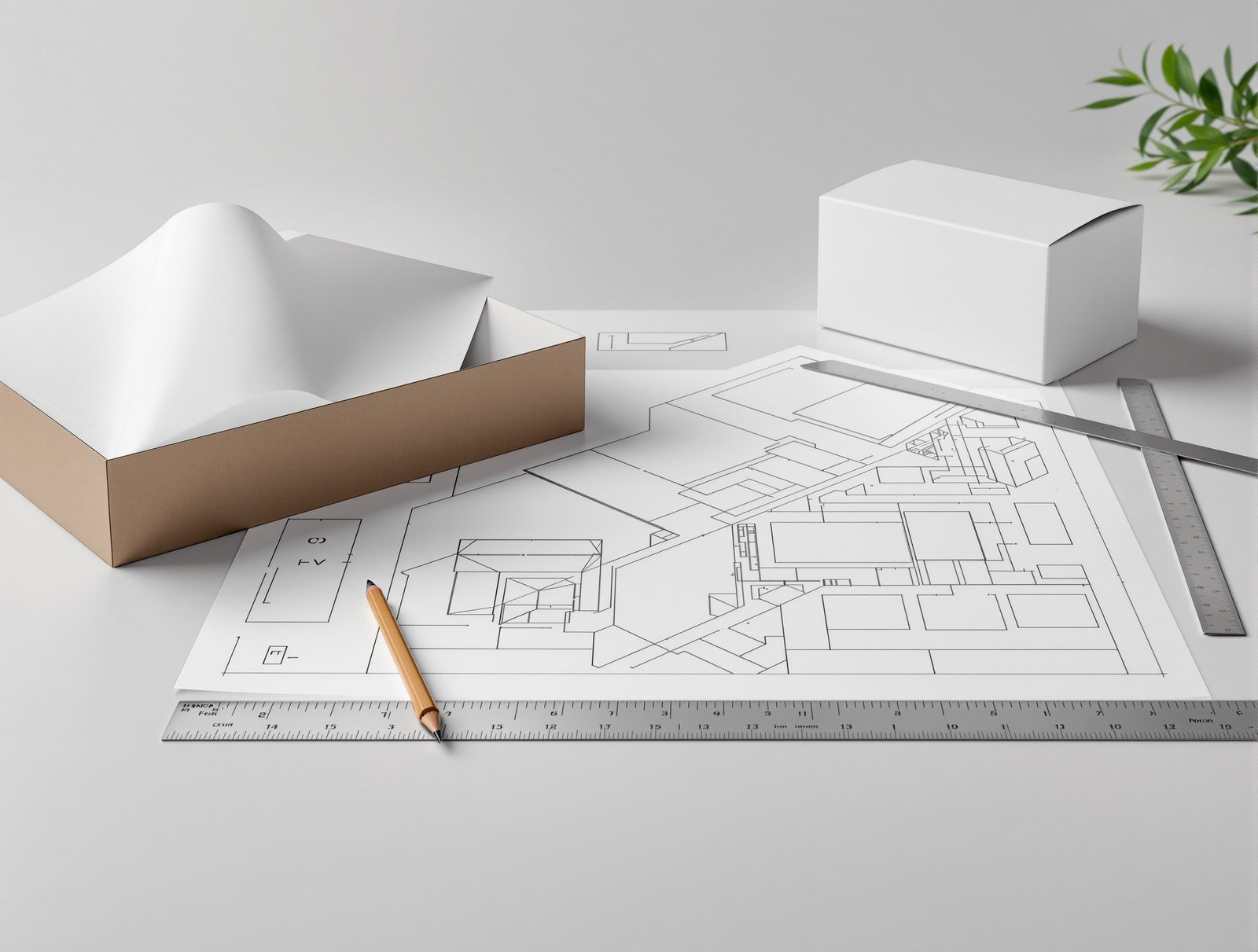
Every custom structure starts as a dieline — the flat, to-scale pattern that shows every cut, score, and fold before the box exists in three dimensions. If you're new to the term, here's what a dieline is and why it's the file everything downstream depends on. We build dielines to your product's exact measurements, accounting for board thickness, tolerance, and how the structure needs to nest or ship flat. A dieline that's off by even a millimeter shows up later as a lid that won't seat or a window that clips the product — which is why we treat dieline accuracy as a structural decision, not a drafting formality. Making that dieline right the first time is what keeps a structural element — a tuck, a window, a gusset — from becoming a production problem later.
Materials Selection
Material choice happens alongside structure, not after it — an early step in the design process, not a late one. Corrugated board suits shippers and retail packaging design for sporting goods and other bulky or heavy products; folding carton stock and rigid board suit cosmetics, electronics, and gift packaging where shelf presentation matters most; kraft and coated papers each take print and finishing differently. The material also decides what finishing can do — embossing and debossing need board with the right caliper to hold depth, while spot UV and foil read differently on coated versus uncoated stock. We factor material into the design stage so the finish you specify is one the substrate can actually deliver — a coating or a foil detail is the first thing consumers register, and the first thing that looks wrong if the stock can't hold it.
The Packaging Design Process: From Design to Prototype
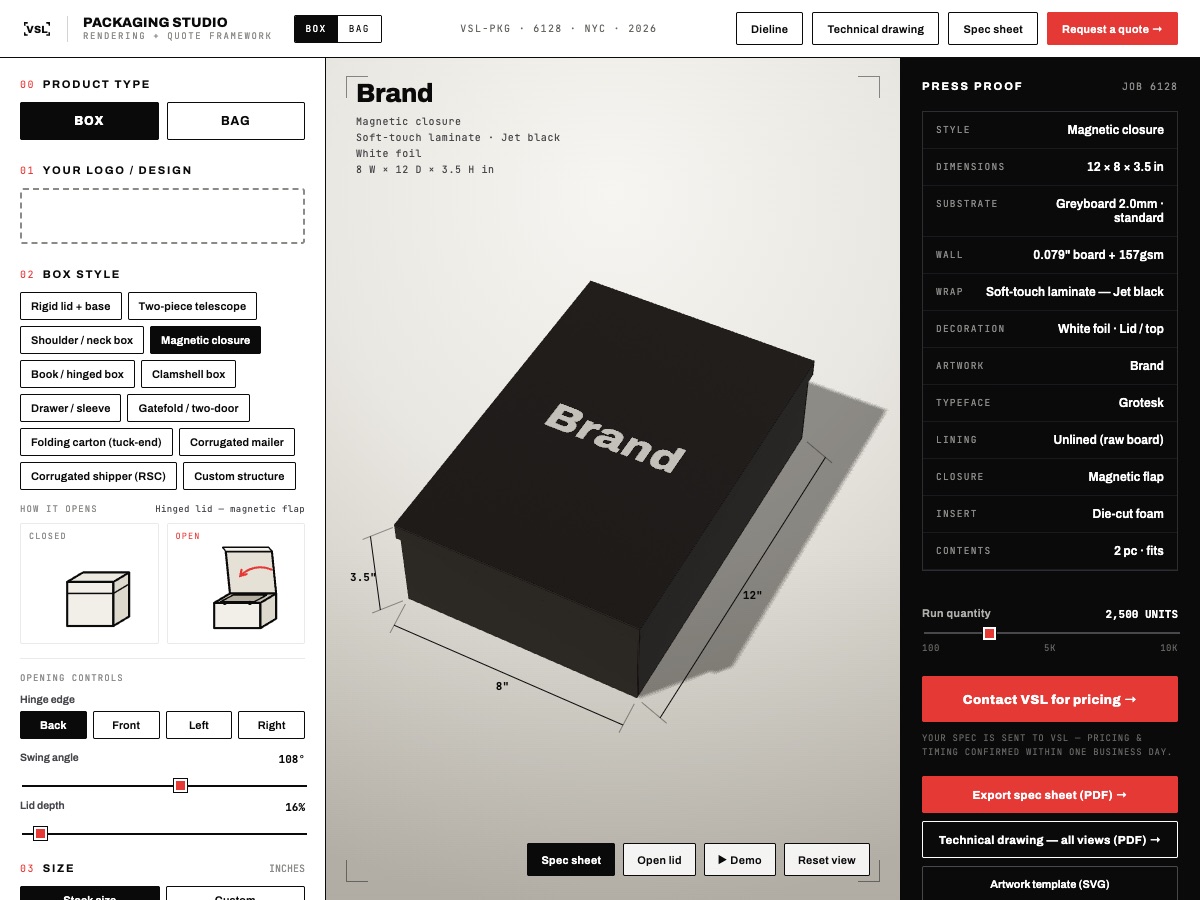
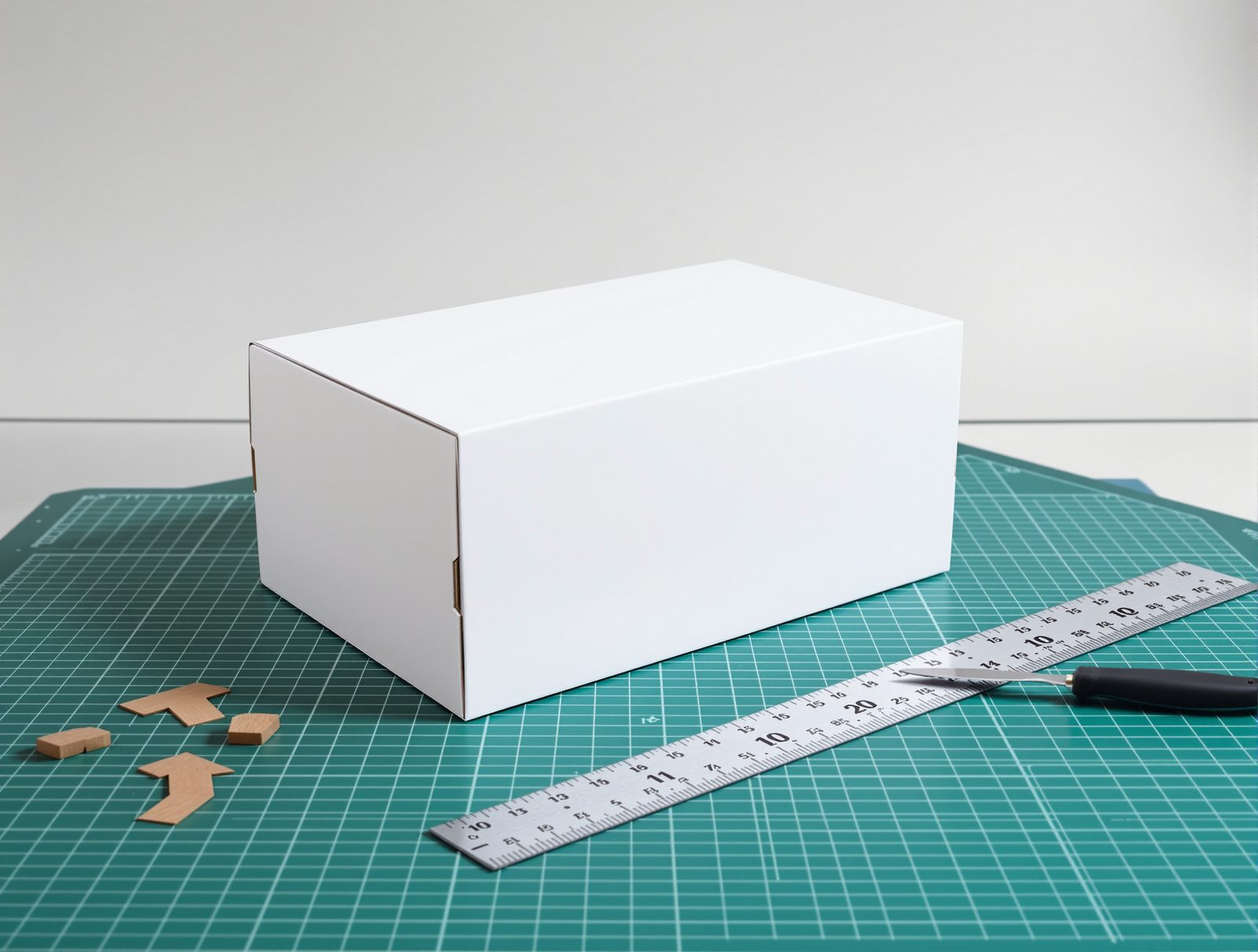
Once structure, graphics, and material are set, the design moves through a sequence before it ever reaches production — the same design process for a first-time founder's custom packaging as for a national brand's next SKU. We can build a photorealistic 3D rendering first, so stakeholders can review color, layout, and finish on screen without waiting on a physical sample. From there, the design becomes a physical prototype — cut, folded, and finished by hand — so you can test the closure and confirm fit against the actual product. Once the prototype is approved, it moves to a packaging proof to lock color before a full production run. Running the pipeline in that order — render, prototype, proof — catches cosmetic issues early and structural issues before they're expensive to fix. The final design that reaches production is rarely the first sketch — brand identity gets refined at each stage, informed by whatever market research or retailer feedback a brand brings to the table.
Custom Packaging Design for Every Category
We design for the categories we manufacture: apparel, beverage, cosmetic, footwear, luxury, and retail packaging, along with food packaging and sporting goods brands that need structures built for repeated handling and shelf impact. Whether you're starting from a rough sketch or a competitor's box you want to improve on, our team designs packaging built for manufacturability from the first draft, so nothing needs to be redrawn once it reaches production — brand packaging that does the job of your other marketing materials once it's on a shelf, not just a container. Request packaging design quotes once you have a product and a rough sense of quantity, and we'll scope structure, material, and finishing together.
Packaging Design FAQs
What's the difference between structural design and graphic design in packaging? Structural design determines how the box is built — dimensions, folds, and mechanisms. Graphic design determines what's printed on it. We handle both together so the artwork is built to fit the structure's actual panels, not adjusted after the fact.
Do I need a dieline before you can start designing? No. Most projects start with a product and a rough idea, and we build the dieline as part of the design process. If you already have a dieline from a previous supplier, we can refine it rather than starting over.
How long does custom packaging design take from concept to prototype? It depends on structural complexity and how many rounds of revision the design goes through, but most projects move from concept to an approved physical prototype within a few weeks. We'll confirm a firmer timeline once we see the product and rough specs.
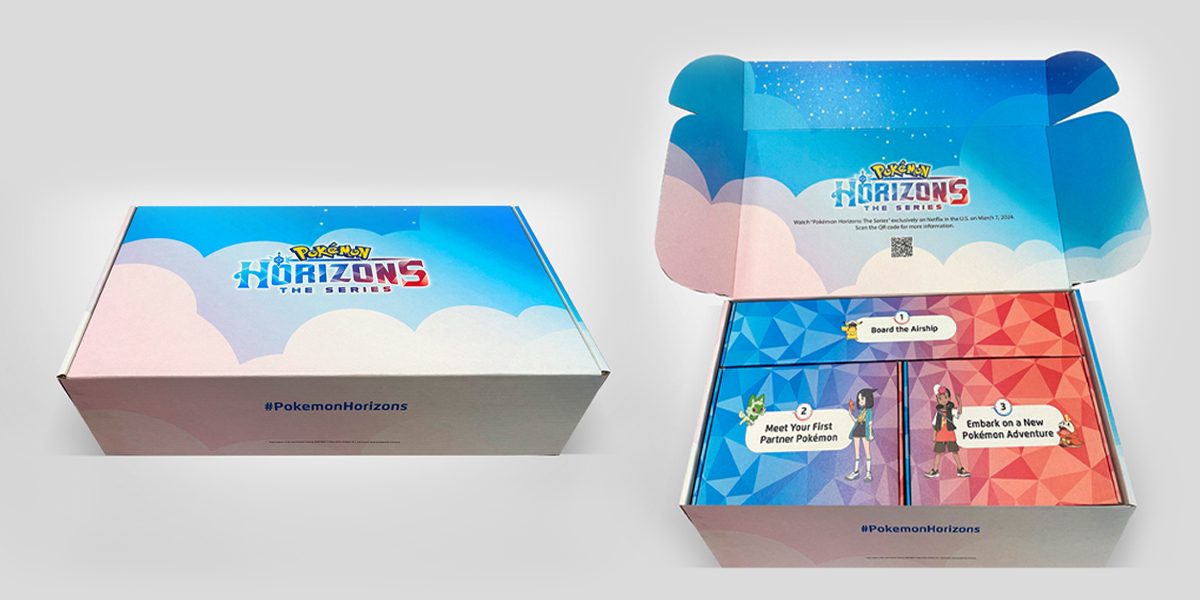
What makes packaging design effective? Effective packaging design does two things at once: it holds up structurally under real shipping and handling, and it reads as brand packaging a consumer recognizes the moment they see it, on a shelf or in an unboxing video. Both halves have to work — a striking graphic on a structure that fails in transit isn't effective packaging, it's a returns problem. Brand personality, color, and finish carry that second job, but none of it matters if the structure underneath doesn't function, which is why we design both together instead of treating graphics as decoration applied to a finished box.
Start the Conversation
Tell us the product and where it is headed — we will scope the work before anything goes to press.