VSL Packaging — NYC custom packaging company

Industry

Retail Packaging

Custom retail packaging built in New York City — the team that specs a program, engineers the dielines, and specifies the print is the same team that answers the phone when a store count changes two weeks before a rollout.

Custom retail packaging by VSL Packaging

What This Industry Runs

The Formats Retail Brands Order

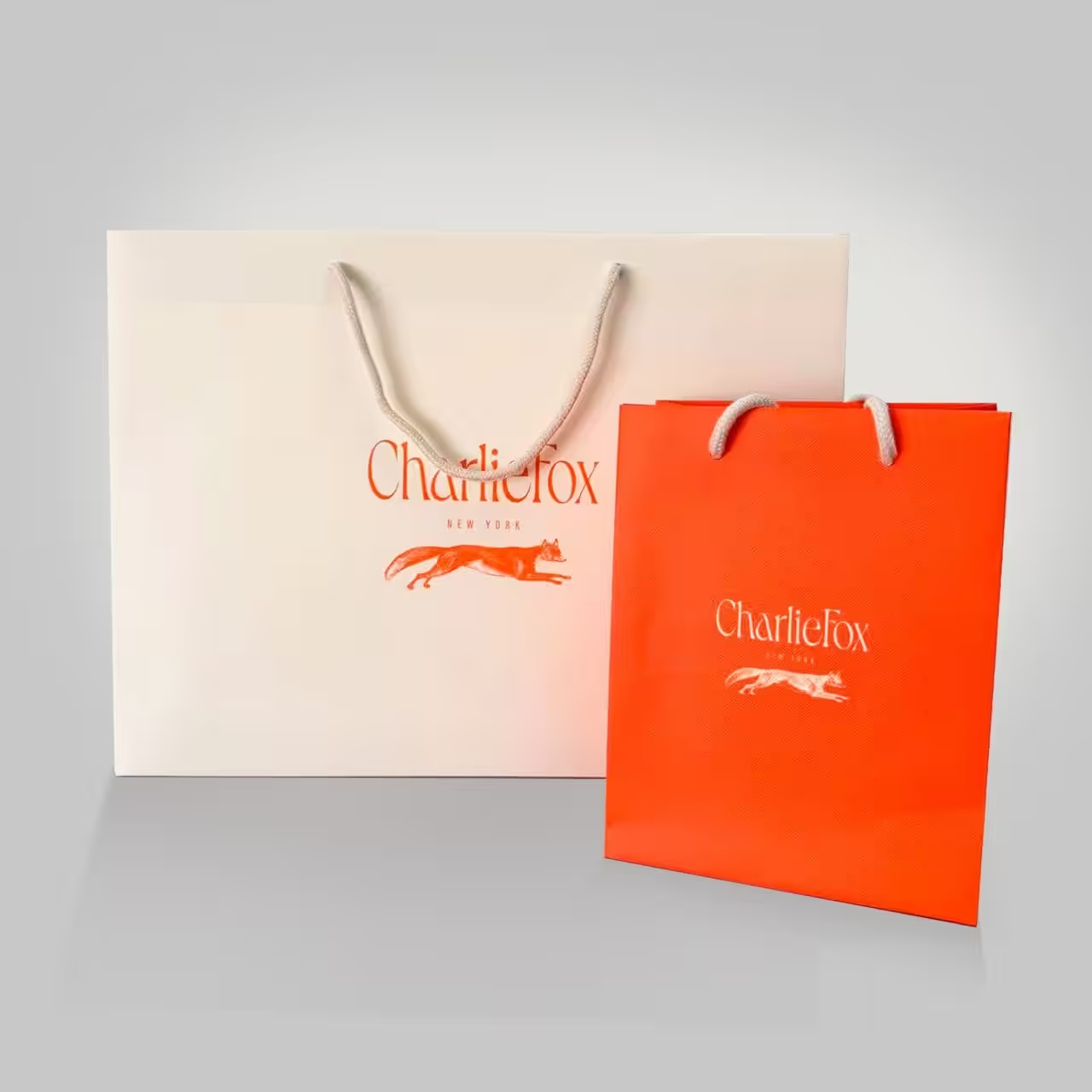
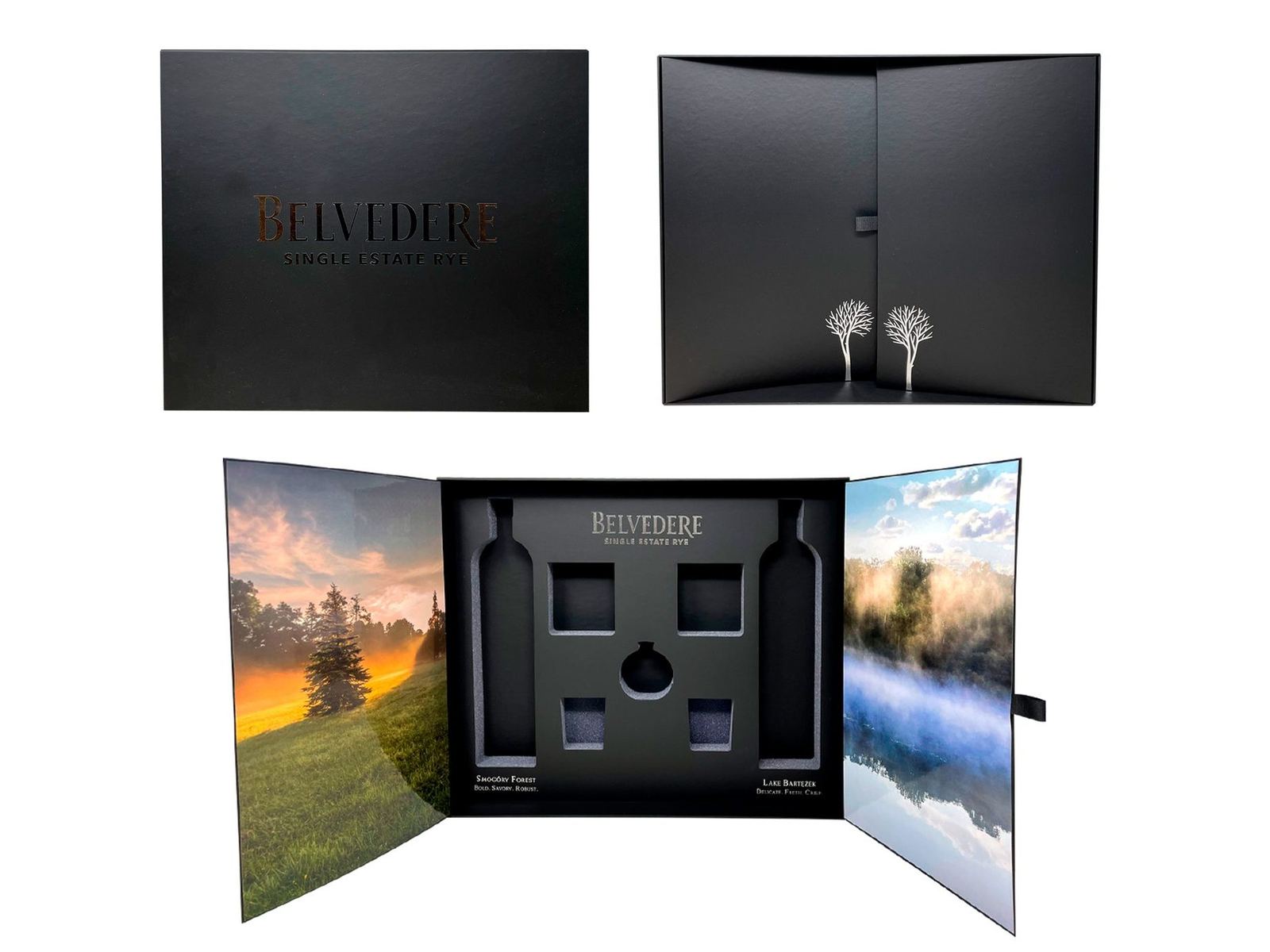
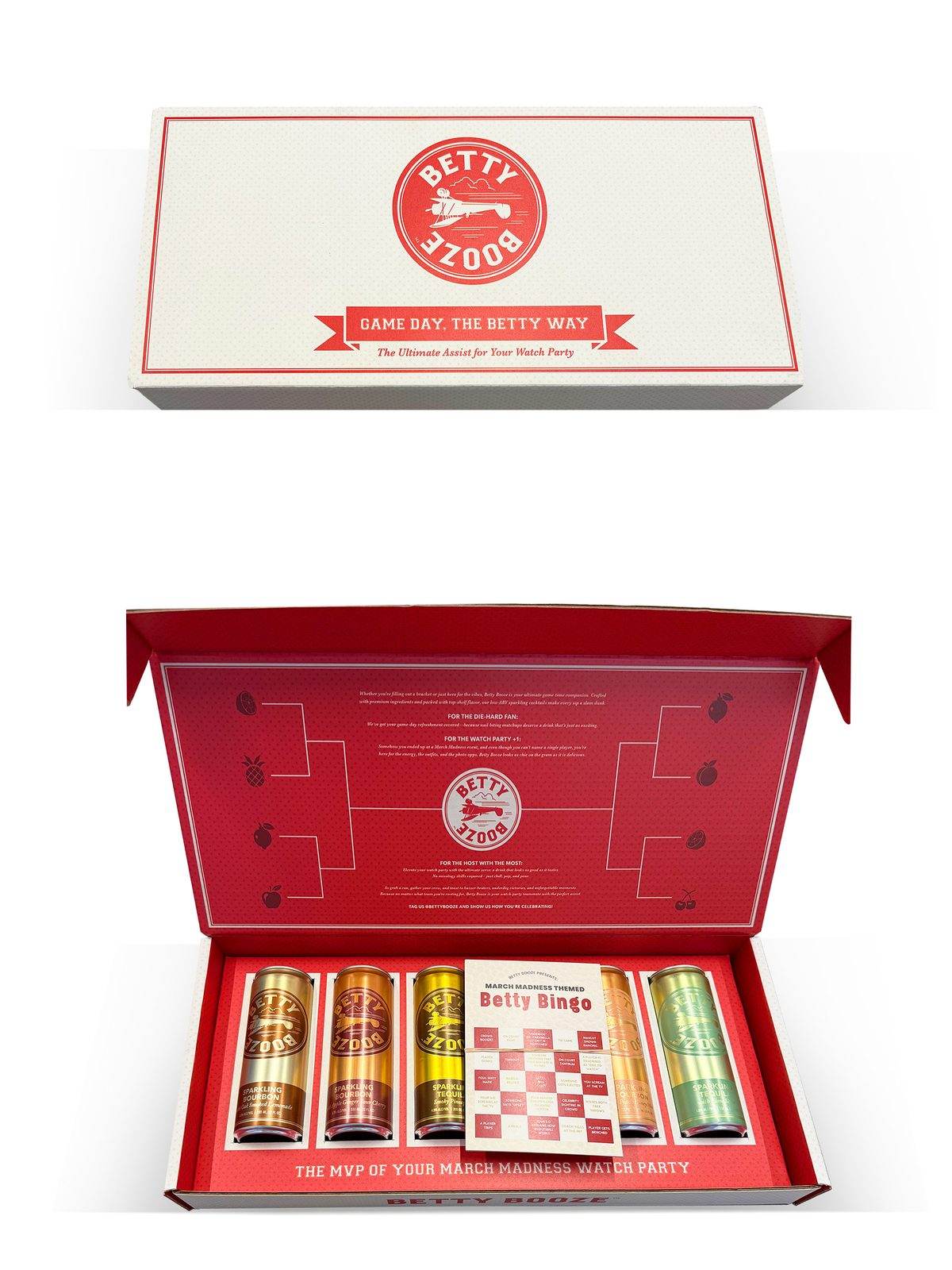
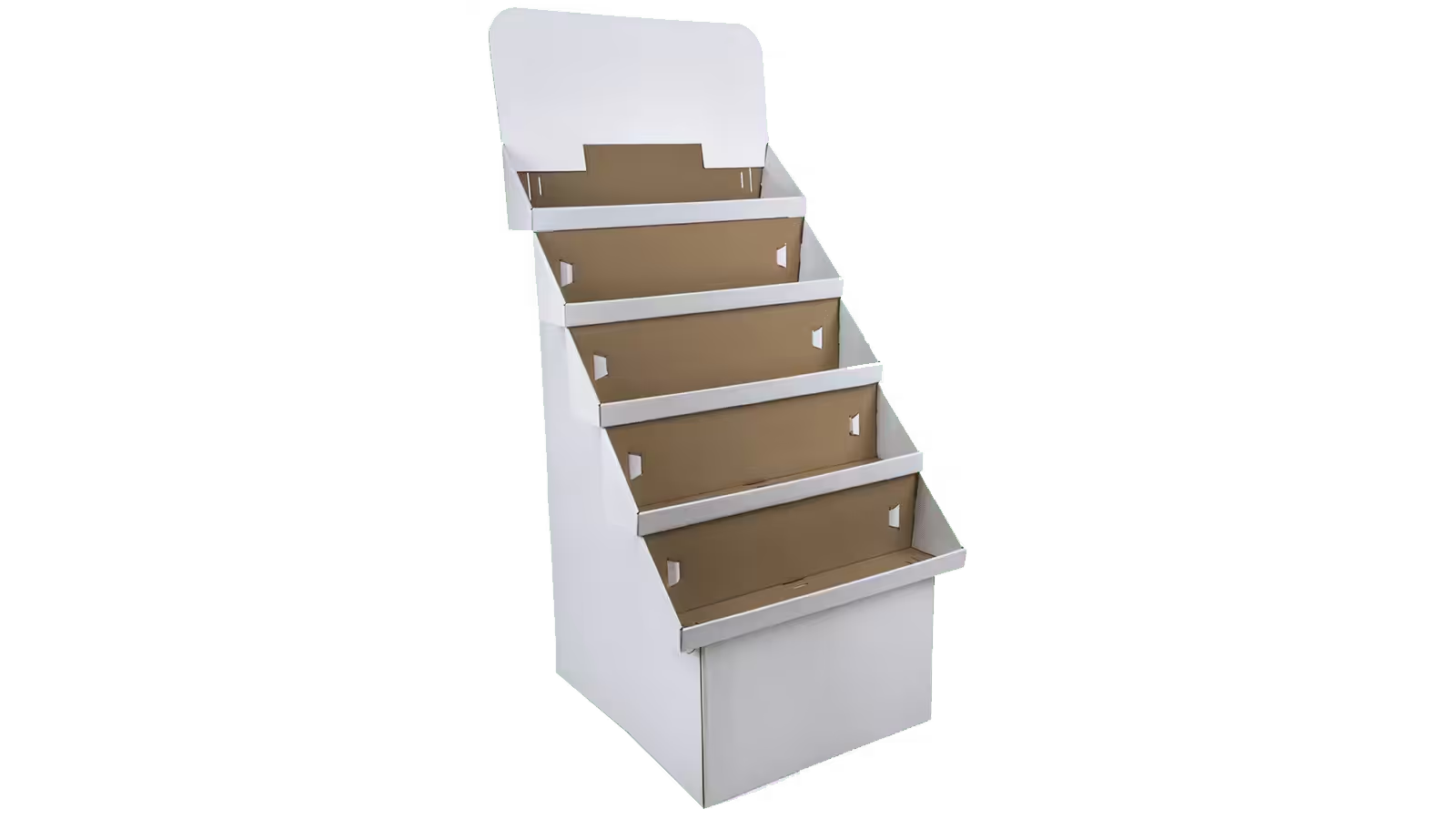
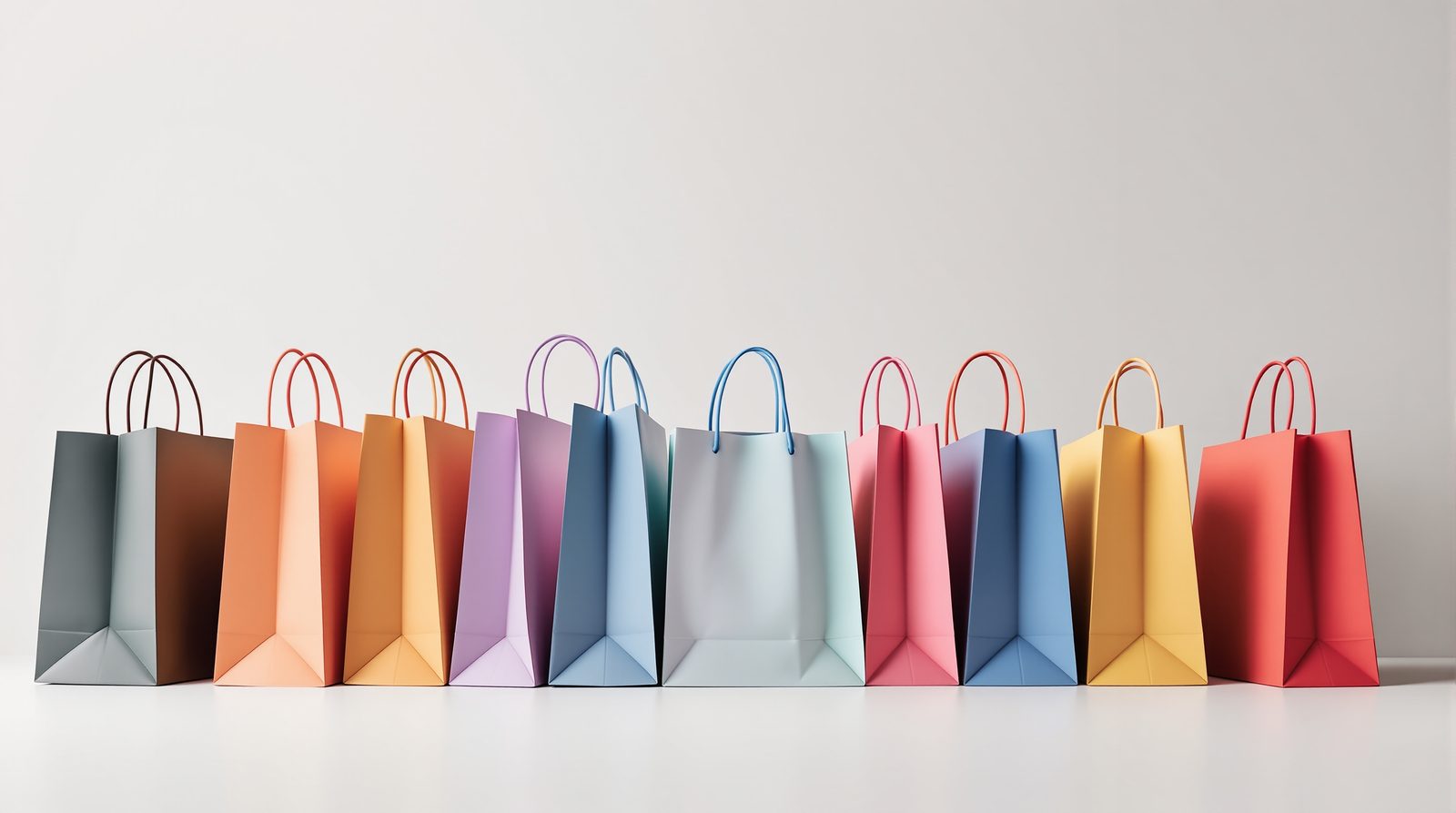
Shopping Bags from VSL PackagingShopping BagsCounter bags printed to match the rest of the in-store brand system.Black Belvedere rigid box with foil-stamped lid, open with die-cut insert, by VSL PackagingBoxesThe box side of a retail program, specced alongside the bags and displays.Betty Booze shelf-ready retail tray holding printed cans, by VSL PackagingShelf-Ready BoxesCases built to clear receiving and set straight onto the planogram.White corrugated floor display with five tiered shelves and a blank header cardPOP DisplaysFloor and counter displays that carry the same artwork as the pack.
A lineup of printed shopping bags in a bright studio scene — studio image

A retail buyer doesn't grade packaging on how it looks in a pitch deck — they grade it on whether it clears receiving, fits the planogram, and doesn't generate a chargeback six weeks into the program. We build custom retail packaging in New York City, which means the team that specs a program, engineers the dielines, and specifies the print is the same team that answers the phone when a store count changes two weeks before a rollout. That kind of proximity is what separates a retail packaging manufacturer from a broker relaying your spec to a plant you'll never talk to directly. In a packaging industry built mostly on brokered relationships, custom packaging that the same company actually makes — not just quotes — is the exception rather than the rule.

Custom Retail Packaging for Shelf-Ready Programs

Shelf-ready packaging has one job beyond holding the product: it has to let a store associate move a case from dock to shelf without breaking it down, repacking it, or hunting for a box cutter. We engineer shelf ready boxes with perforated tear points and pre-cut display panels so a case opens into a sellable display in one motion, cutting the in-store labor a retailer factors into every SKU it accepts. That labor math matters more than most vendors admit — a shelf-ready format that saves ninety seconds per case across a chain-wide rollout is a program a buyer actually renews, not just approves once. Board grade and flute profile get chosen against the load rather than a default — a lighter E flute for point-of-sale panels that need crisp print, a heavier profile for anything stacked deep in a case. Not every SKU needs a full case, either — plenty of shelf-ready programs run on folding cartons that face out directly, skipping the outer case for a lighter product.

Multi-Store Rollouts Without the Chaos

A single prototype approval doesn't guarantee a smooth rollout across fifty or five hundred doors, which is where most retail packaging programs actually run into trouble. We build multi-store programs around consistent specs first — the same board weight, print file, and closure across every production run, so store forty and store four hundred receive identical cases — then layer in staggered ship dates so a distribution center isn't holding a full chain's inventory before the first store opens. Reorders get quoted against the same die and color proof as the original approval, so a program launched this quarter still matches one launched a year from now, without a buyer noticing a drift in board stock or ink match between batches.

Retail Packaging Boxes, Bags, and Displays as One Brand System

A retail brand rarely lives in a single format, and treating each one as a separate vendor relationship is how consistency breaks down. We produce custom shopping bags sized to match the custom boxes they ship in — corrugated cases for heavier SKUs, folding cartons where a lighter box makes more sense — and pair both with custom POP displays built off the same artwork files, so a shopper sees the identical brand system whether they're carrying a bag out the door or picking a product off a counter display. Running all three under one purchase order also means one prototyping cycle catches a color or logo issue before it repeats across three separate print runs, instead of a buyer discovering the mismatch after cases are already on trucks.

Retail Packaging Wholesale for Small Business

Chain rollouts get most of the attention in this category, but a lot of what we ship is a wholesale run for a brand with one store, a market table, or a first purchase order from a regional grocer. Retail packaging wholesale at that scale isn't a smaller version of a chain program — the binding constraint is cash, not logistics. Buying a year of inventory to reach a price break is how a small brand ends up with four pallets in a storage unit and a design it outgrew in six months.

We quote wholesale packaging for small business against the run a brand can actually sell through, then hold the die and the color proof so the next run matches without a new tooling charge. In practice that means a first order sized to a season rather than a year, and reorder pricing that improves as volume does instead of demanding the volume up front. The formats don't change: the same custom retail boxes, printed bags, and shelf-ready cases a chain program uses are available in custom sizes and at quantities a single-store brand can carry. A first run of custom product packaging doesn't need a chain-sized minimum order quantity to get real branded boxes and custom printed graphics instead of a stock case and a sticker. What changes is the schedule — which is most of what custom packaging for small business needs to mean.

Retail Compliance: Case Counts, Pack-Out, and Chargebacks

Compliance is where a well-designed program either earns its keep or costs a client money. Retailers publish routing guides that specify exact case counts, carton dimensions, and labeling placement, and missing any one of them is a common source of chargebacks that eat straight into margin. We build corrugated cardboard boxes and folding cartons to the case-pack counts a retailer's routing guide requires, confirm pack-out sequencing so a case unpacks in the order a planogram expects, and proof labeling placement against the vendor manual before a production run ships — not after a distribution center flags it. That upfront verification is a smaller job than the one it prevents, which is disputing a chargeback after the product is already sitting in a retailer's system.

Eco Friendly Retail Packaging Materials

Sustainability is now a routine line item in a retail packaging brief, not a special request. We run recycled and FSC-certified corrugated stock, offer eco-friendly mailers and folding cartons on request, and can print with water-based inks without asking a brand to trade durability for a lower footprint. Right-sizing does more for waste reduction than material choice alone — a case cut to the actual product uses less board, needs less paper and void fill to recycle or discard, and ships at a lower dimensional weight than a stock size that's close enough. Customers increasingly notice the difference between a case built to be reused or recycled and one that's simply thrown away, and a retail buyer factors that into a program renewal the same way they factor in case counts and unit costs.

Retail Packaging FAQs

What makes packaging "shelf-ready" versus a standard shipping case? Shelf-ready packaging is engineered to convert from shipping case to sellable display without repacking — perforated tear-away panels, a pre-cut front face, or a full display shell that a store associate opens and places directly on the shelf. A standard shipping case is built for protection during transit and has to be broken down and its contents shelved by hand.

How do you keep packaging consistent across a multi-store rollout? We hold every store's order to the same die line, board spec, and color proof used on the original approved prototype, and we quote reorders against that same file rather than re-quoting from scratch. That's what keeps a case delivered to store one matching a case delivered to store three hundred, months apart.

What retail compliance requirements do you build against? Most programs come down to a retailer's routing guide: exact case counts, carton dimensions, pack-out sequence, and label placement. We build and verify against those specs before a production run ships, since a labeling or case-count miss is one of the most common causes of a retail chargeback.

Whether you're launching a shelf-ready program at one store or rolling out bags, boxes, and displays across a full chain, we prototype retail packaging in Manhattan and produce it to that spec, from first sample to the case that clears the loading dock.
Considerations

What Retail Packaging Has to Get Right

Clearing ReceivingA retail buyer grades packaging on whether it clears receiving and fits the planogram.
Multi-Store RolloutsStore counts change late, and the program has to absorb that without falling apart.
One Brand SystemBags, boxes, and displays specced together so the brand reads the same across the floor.

Related Industries

SportsApparelBeautyBeverageCBDCommercialAll 22 industries →

Package Your Retail Line

Tell us the product, the channel, and the quantity — we'll map boxes, bags, and mailers to one program.

Get a Quote