VSL Packaging — NYC custom packaging company

Industry

Apparel Packaging

Garment boxes, shopping bags, and shipping-hardened mailers for apparel brands — samples cut, dielines adjusted, and full production run in New York City, instead of routing every revision through an overseas vendor and waiting a shipping cycle to find out if it worked.

Custom apparel packaging by VSL Packaging

What This Industry Runs

The Formats Apparel Brands Order

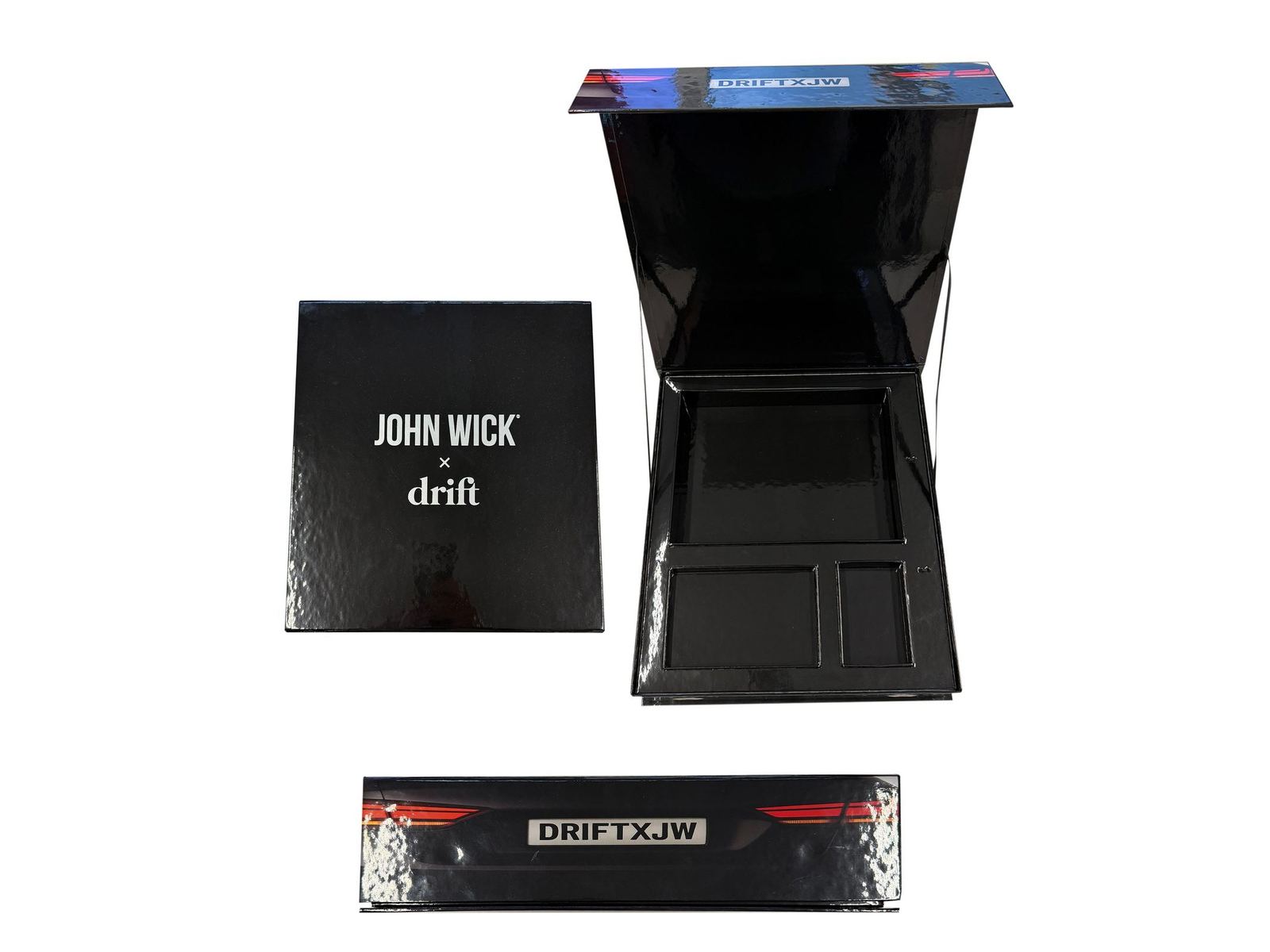
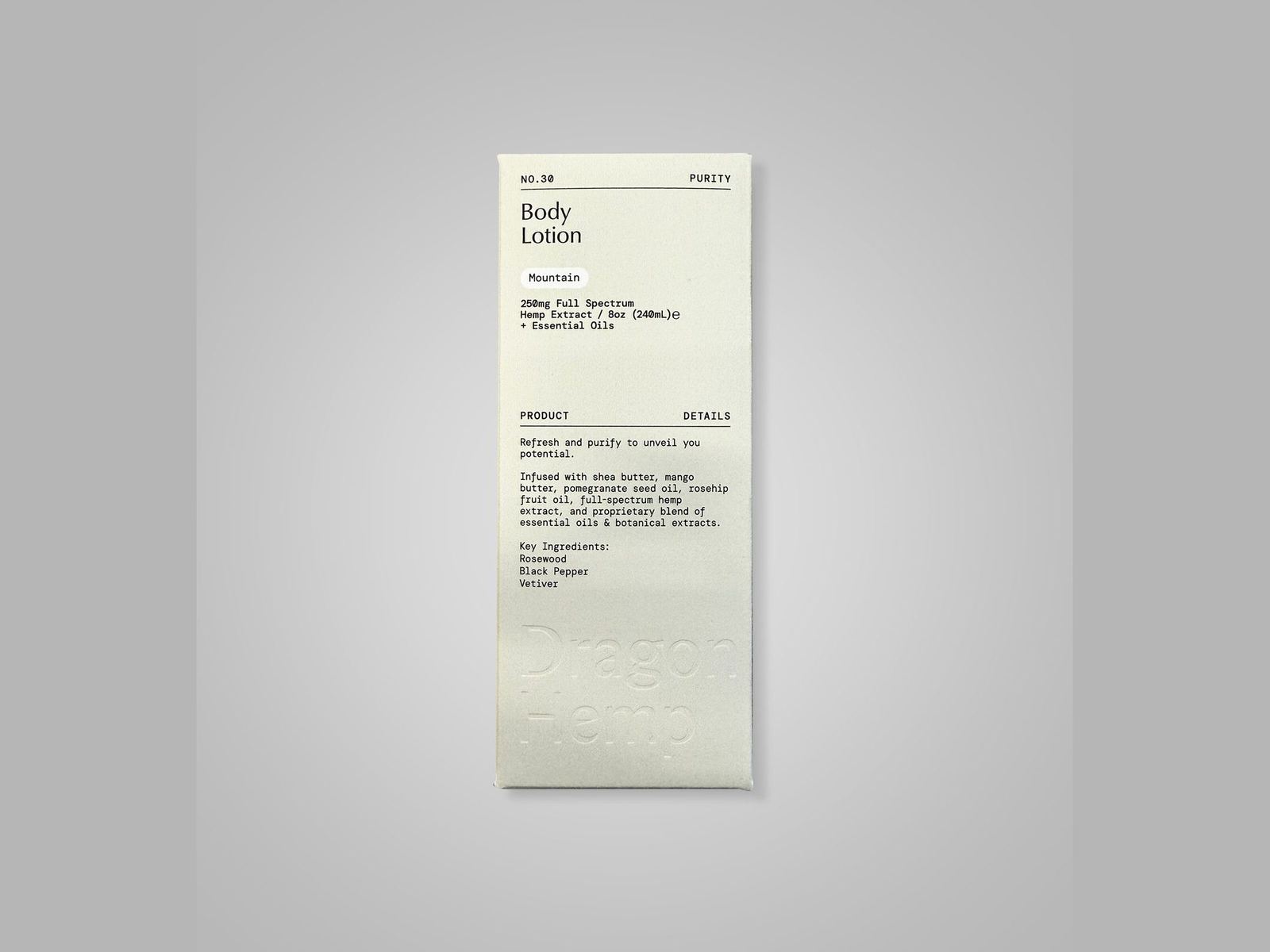
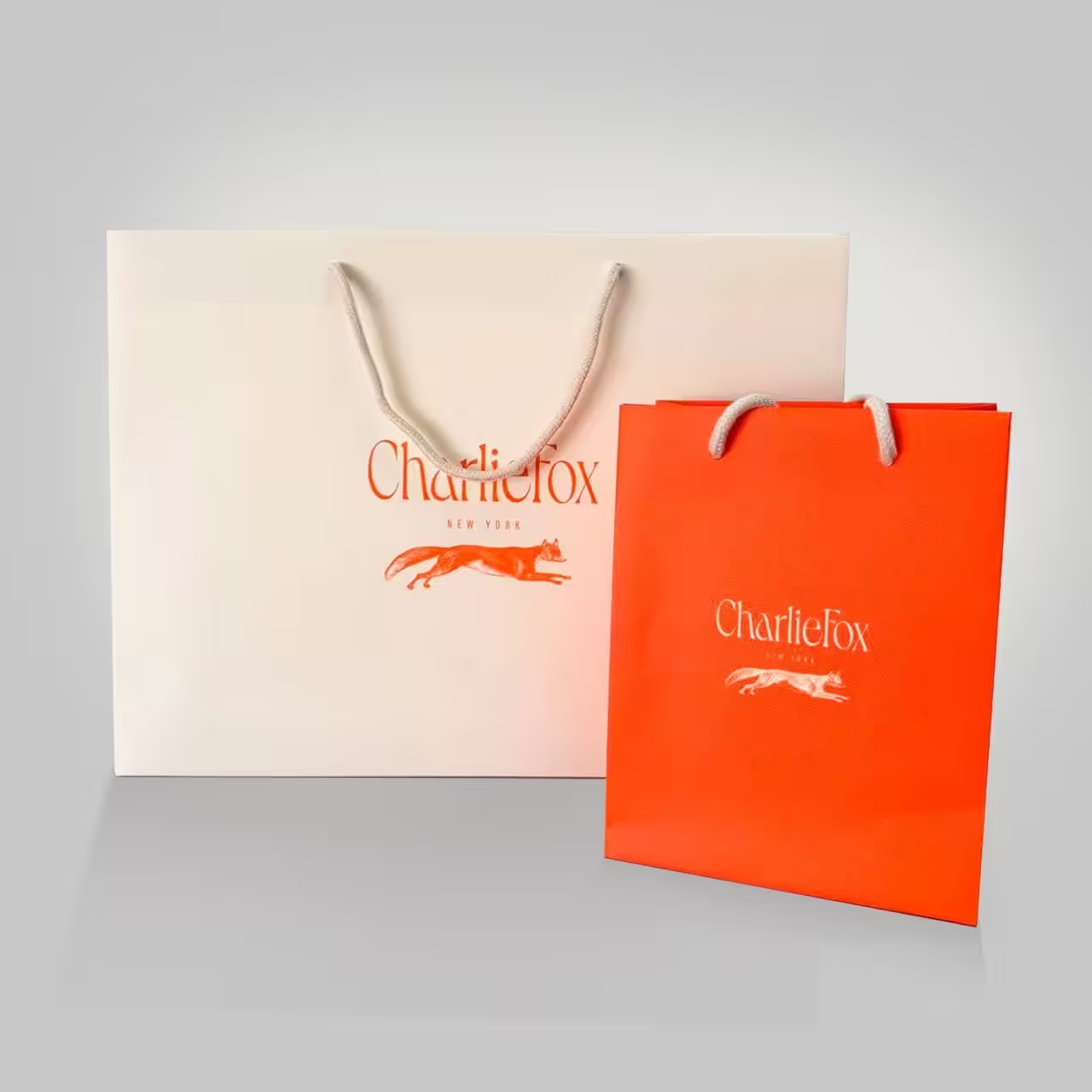
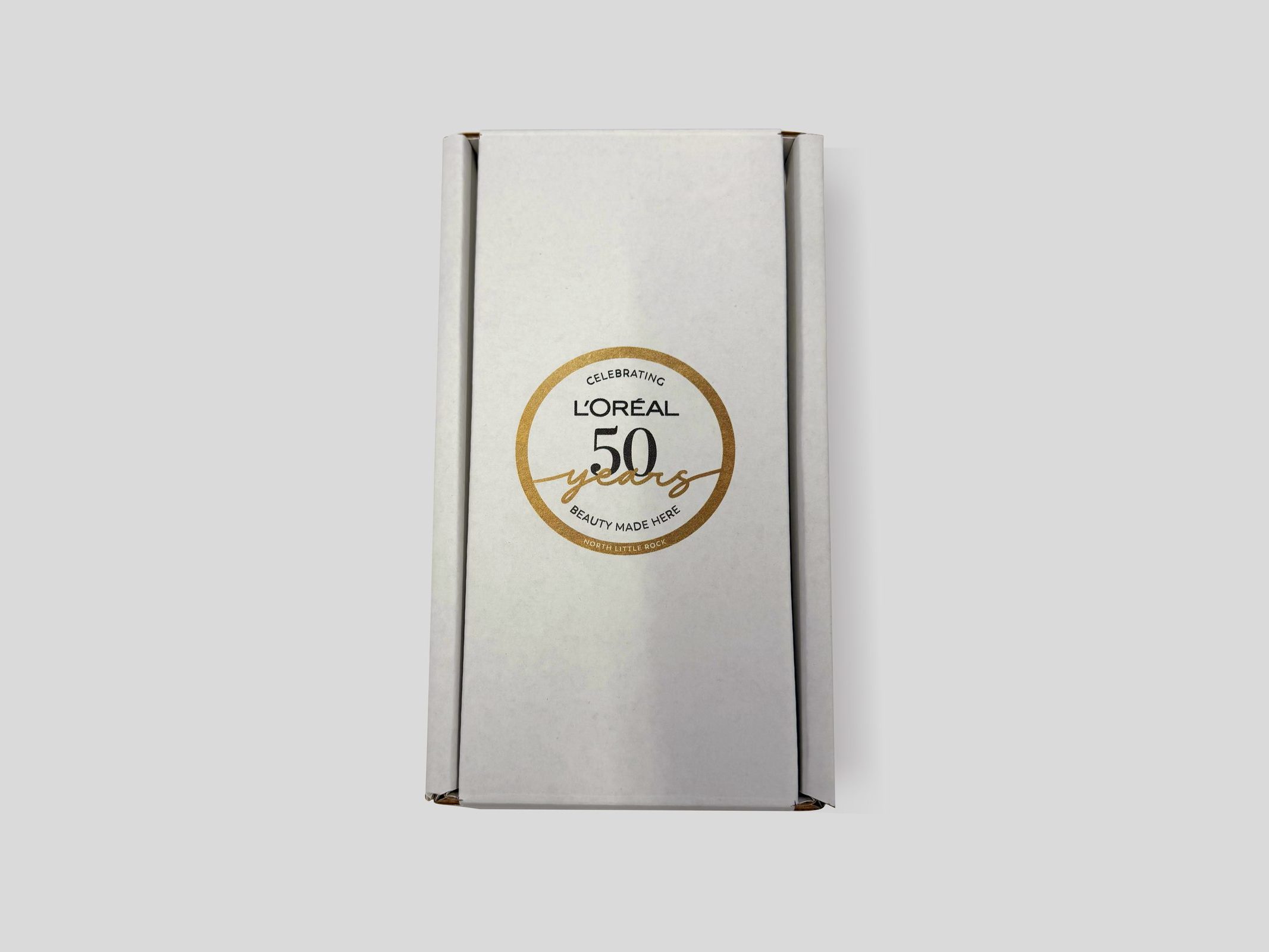
Black gloss rigid box with fitted insert and printed sleeve, John Wick × drift, by VSL PackagingRigid BoxesSolid chipboard core, magnetic closures, and foil stamping for luxury and premium labels.Tall white printed folding carton for a body lotion, by VSL PackagingFolding CartonsHinged-lid and telescoping styles that ship flat and assemble fast on a packing line.Shopping Bags from VSL PackagingShopping BagsSized and printed to match the shelf presentation for boutique and flagship floors.White L'Oréal 50th-anniversary mailer box with a gold seal, closed, by VSL PackagingShipping BoxesBranded boxes that carry the whole unboxing moment with no outer carton around them.
Folded garments and printed apparel boxes styled on a studio table — studio image

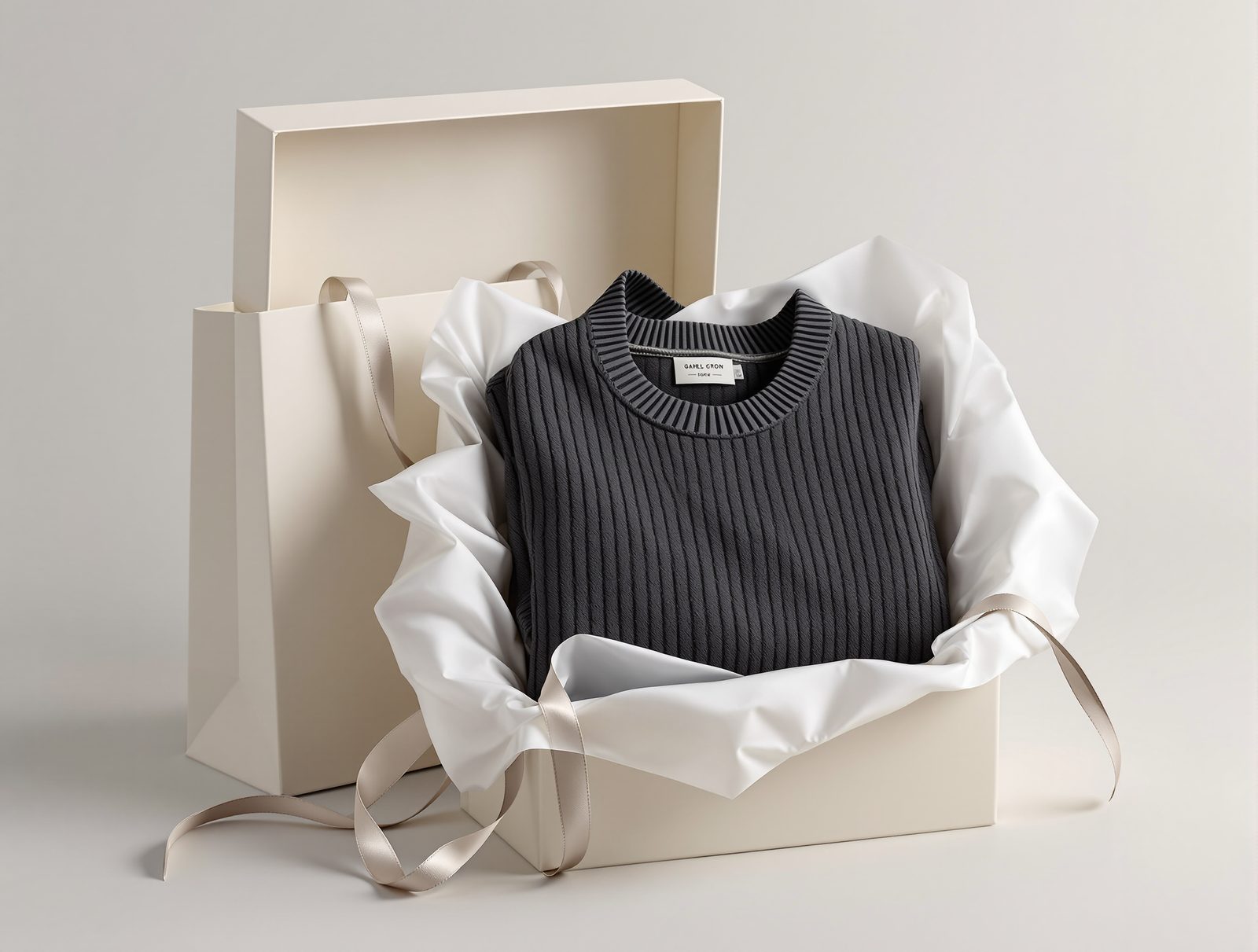
Clothing is one of the least forgiving products to package. A shirt has to arrive without a crease, a garment box has to hold its shape through a stockroom and a return, and the first thing a customer touches when an order lands on their doorstep is the box itself, not the item inside it. Apparel packaging has to solve fit, protection, and presentation at the same time, which is why fashion brands searching for an apparel packaging manufacturer keep landing here: we cut samples, adjust dielines, and run full production in New York City, instead of routing every revision through an overseas vendor and waiting a shipping cycle to find out if it worked.

Custom Clothing Packaging, Built for Every Price Point

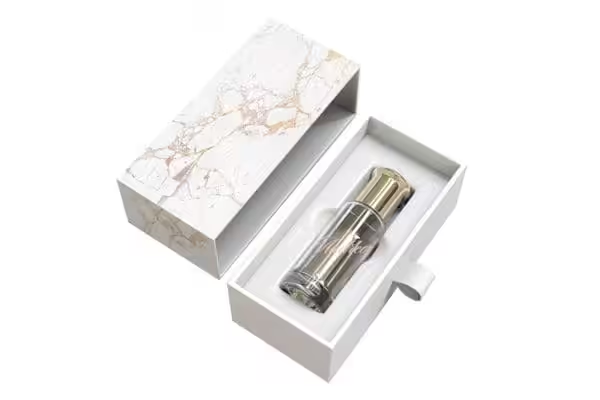
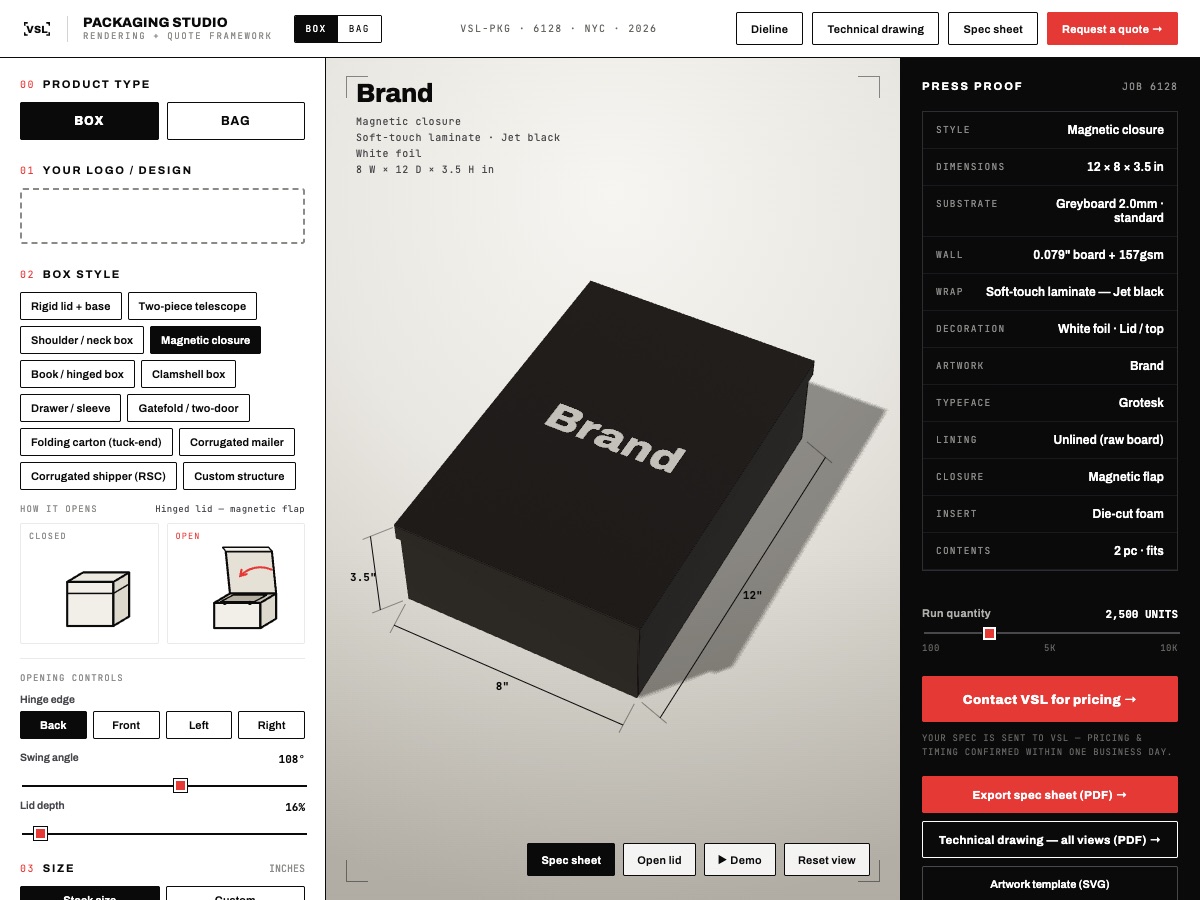
Custom clothing packaging isn't one product — it's a set of formats, each suited to a different brand tier. Luxury and premium labels lean on rigid box construction built around a solid chipboard core, often finished with magnetic closures and a foil-stamped logo, because that weight and resistance reads as craftsmanship before the lid even opens. Mid-market and mass apparel brands run higher volumes on tighter margins, and for them a folding carton — the familiar hinged-lid or telescoping box — ships flat, assembles fast on a packing line, and costs a fraction of rigid construction per unit. Neither format is objectively better; the right call depends on unit volume, price point, and how much of the unboxing moment the box itself needs to carry.

Custom Packaging for Clothing: Retail Shelf vs. Direct-to-Consumer

Custom packaging for clothing has to perform differently depending on where the sale happens. On a retail floor, a boutique or flagship store sends customers out the door with custom shopping bags sized and printed to match the shelf presentation — the bag is a walking billboard for the rest of the day. A direct-to-consumer order asks more of the box: it has to survive a parcel network with no outer carton and deliver the entire unboxing moment on its own, which is why we bring the same attention to detail to branded shipping boxes as we do to the garments they protect. Apparel brands scaling their ecommerce packaging programs often run a retail-ready bag and a shipping-hardened mailer from the same artwork files, so the brand reads consistently no matter how the order arrives.

Custom Garment Packaging for Suits, Dresses & Delicate Fabric

High-end apparel needs protection a folded box can't provide. Custom garment packaging for suits, dresses, and eveningwear typically means a garment bag — slim, tear-resistant, and built to keep a tailored piece hanging or folded flat without creasing in transit — paired with acid-free tissue and a branded seal that turns the unwrapping into part of the presentation. We finish these programs with printed care inserts and interior branding, since delicate-fabric labels need packaging that communicates proper handling as much as it protects against damage.

Apparel Packaging Bags and Clothing Packaging for Shipping

Not every garment ships in a box. Apparel packaging bags do a large share of the work in this category — poly mailers for a single tee, frosted zipper bags that hold a folded knit on a boutique shelf, and printed clothing packaging bags that go out with an order as the primary container rather than a liner. We print these the same way we print cartons: brand artwork edge to edge, color matched against the box program, and stock chosen for the weight of what's actually inside rather than a default gauge. Poly bags used for individual T-shirts or folded knits carry the suffocation warning retailers ask for, printed directly on the bag — we build it into the artwork file rather than adding it as a separate sticker, the kind of detail that's easy to miss until a shipment gets flagged.

Clothing packaging for shipping carries one requirement a shelf bag doesn't — it has to arrive intact after a parcel network has stacked it under heavier freight. For that we run heavier-gauge and recycled-content poly mailers with a self-seal strip and a tear line, with a tamper-evident option for higher-value pieces. Brands that want the bag to carry the branding on its own usually order clothing packaging bags with logo printing on both faces, since a mailer lying face-down on a doorstep only shows one side. On the retail side, the same artwork runs onto printed shopping bags, so the in-store handoff and the doorstep delivery read as the same brand.

Sustainable Apparel Packaging Materials

Sustainability shows up in nearly every fashion packaging brief we get now, and eco-friendly clothing packaging has moved from a special request to a default spec on most new programs. We produce recycled and FSC-certified corrugated stock, biodegradable and compostable poly bags, recyclable paper mailers, and can print with water-based inks on request, without asking a brand to trade durability for a lower footprint. A compostable poly bag and a recyclable paper mailer do the same job as a standard poly bag — they just break down differently at the end of their life — and a sustainable packaging program can mix eco-friendly packaging formats with standard stock across the same line without a separate vendor or a second prototyping cycle. Because design, print specification, and finishing all run through one team, a sustainable spec doesn't add a vendor or a shipping leg to the process — it's the same production line with different material inputs.

Working With an Apparel Packaging Manufacturer and Wholesale Supplier

Most brands comparing clothing packaging suppliers are really trying to answer one question: who actually makes the box, and how far are they from the person answering the phone. A lot of apparel packaging box suppliers are sales offices brokering the job to a plant overseas, which works fine until a dieline needs a revision and the fix takes a shipping cycle to verify. We're a manufacturer — cutting, printing, and finishing happen in New York City — so a change to a garment box is a conversation and a new sample, not a re-quote routed through a middleman.

That changes how wholesale works, too. Clothing packaging wholesale pricing usually rewards volume by locking a brand into a single spec for a year; we hold the die and the color proof instead, so a reorder six months out matches the first run without re-tooling, whether it's five hundred boxes or fifty thousand. It's the practical reason clothing brand packaging tends to consolidate with one producer as a label grows — running custom apparel packaging, bags, and mailers through one prototyping cycle catches a color or fit problem before it repeats across three separate print runs at three separate vendors.

Apparel Packaging FAQs

What's the difference between a rigid apparel box and a folding carton? A rigid box is built around a permanent chipboard core and reads as premium the moment a customer lifts the lid — the standard for luxury apparel. A folding carton ships flat and assembles on the packing line, which costs less per unit and suits brands running higher volumes on tighter margins.

Can you produce the garment box and the shipping carton around it in the same order? Yes. Producing both under one program lets us dimension the inner garment packaging and the outer shipping carton together, so a folded shirt or a hanging suit doesn't shift in transit — one purchase order, one production run, no coordination between separate vendors.

Do you offer sustainable or eco-friendly apparel packaging? Yes. Recycled and FSC-certified corrugated, biodegradable poly mailers, and water-based inks are available across most of our clothing packaging formats, produced to the same specification standard as our standard stock.

Whether you're packaging a capsule collection or scaling a full retail line, we prototype apparel packaging in-house in New York and take it from sketch to production run in one process, building packaging around the garment and the finish choices your customers actually notice.
Considerations

What Apparel Packaging Has to Get Right

Fit, Protection, and Presentation at OnceA shirt has to arrive without a crease, and a garment box has to hold its shape through a stockroom and a return.
Retail Shelf vs. Direct-to-ConsumerA boutique sends customers out with a printed bag; a DTC order has to deliver the entire unboxing on its own.
Sustainable Material InputsRecycled and FSC-certified corrugated, biodegradable poly mailers, and water-based inks run to the same spec as everything else.

Guides for This Industry

Custom Clothing Shipping Boxes to Protect and Showcase Your ClothingCustom Packaging for Clothing: Enhance Your Brand with VSL Packaging Solutions

Related Industries

BeautyBeverageCBDCommercialCosmeticE-CommerceAll 22 industries →

Package Your Apparel Line

Tell us the product, the channel, and the quantity — we'll map boxes, bags, and mailers to one program.

Get a Quote