Packaging Abilities
Our Manhattan team does more than print boxes. The packaging abilities behind every job — structural design, 3D rendering, prototypes, proofs, and finishing — stay with one team, so decisions about structure, packaging materials, and finish get made by the people running the equipment and the packaging you approve is the packaging that gets produced.
Browse by Capability
Materials & Capabilities
Design, cutting, printing, and finishing all happen in New York City, which is why a dieline can become a physical prototype in days and a revision does not have to cross an ocean. Every format we manufacture runs through the same stages before production.
Keeping the packaging spec and the people who own it on the same team is also what makes quality control practical. Board grades, print, and finishing get checked against the approved sample by our own crew rather than reported back from a plant nobody on your side has walked. When a supply chain runs across several vendors and time zones that check is the first thing to slip, and fit, protection, and product safety are what pay for it.
Design & Engineering
Most packaging problems are caught too late — after the artwork is approved, after the dies are cut, sometimes after the truck leaves. The five capabilities above exist to move every one of those discoveries earlier, when a fix costs a conversation instead of a rerun. Design settles the structure, rendering settles the look, prototyping settles the fit, proofing settles the color, and finishing settles the feel — in that order, on purpose, by one team in New York City. This is the same sequence behind every format we manufacture, from a first-run folding carton to a standing wholesale bag program, and it is why a quote from us reads like a production plan rather than a price. The sections below walk through how the pipeline runs, what each stage is actually deciding, and why keeping all five capabilities with one team changes the outcome.
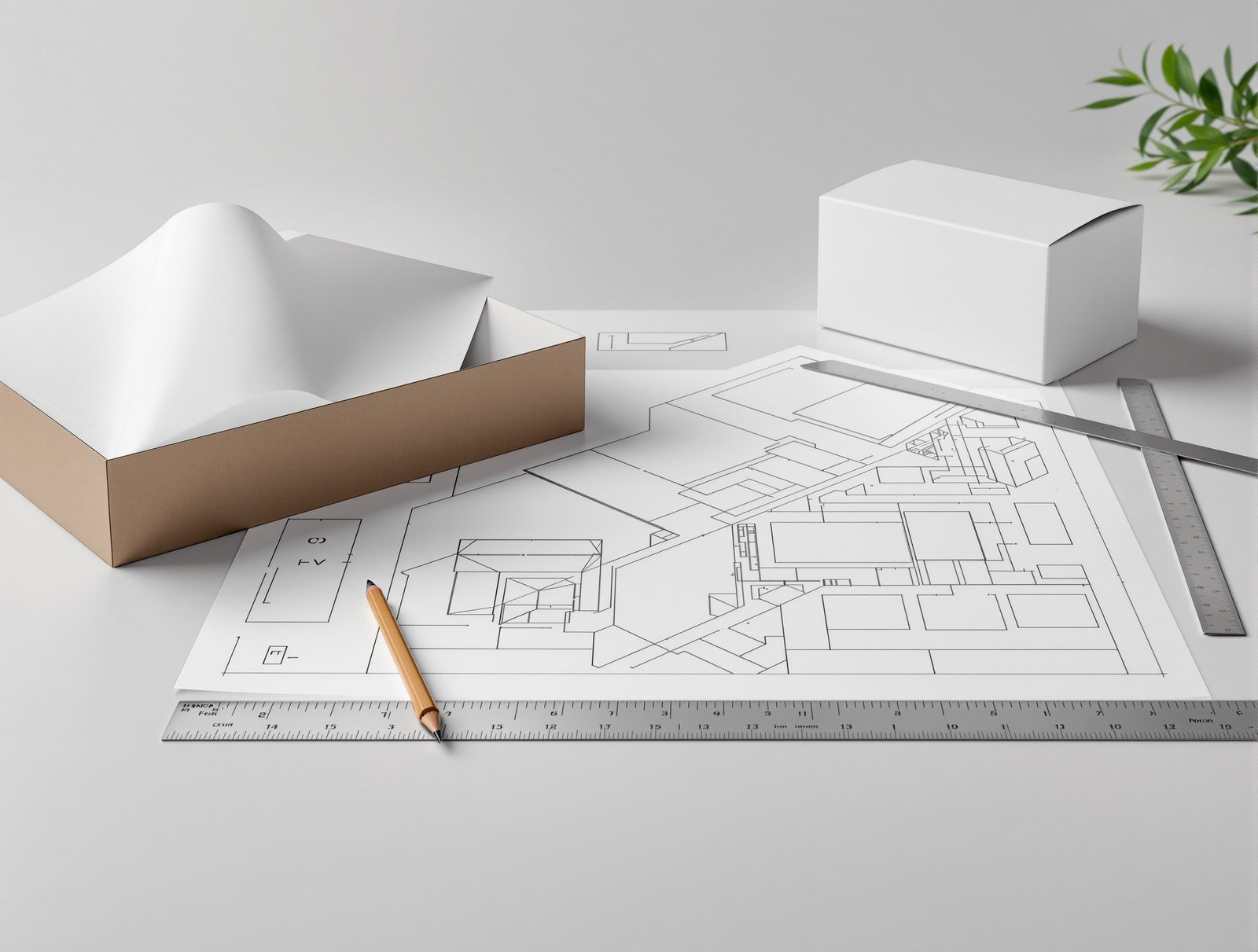
Every project here begins with structural and graphic packaging design — measuring the product, mapping how it ships and where it sells, and drawing a dieline around those facts. Structure comes before artwork because the dieline decides what the artwork can do: panel sizes, fold directions, where a logo lands when the lid closes. Brands that arrive with finished art are not starting over — we engineer the structure to serve the art they have. Brands starting from zero get both halves from the same desk, so the graphics are designed for the panels they will actually live on. Either way, what leaves the design stage is a production-ready file, not a concept that a factory somewhere else has to reinterpret.
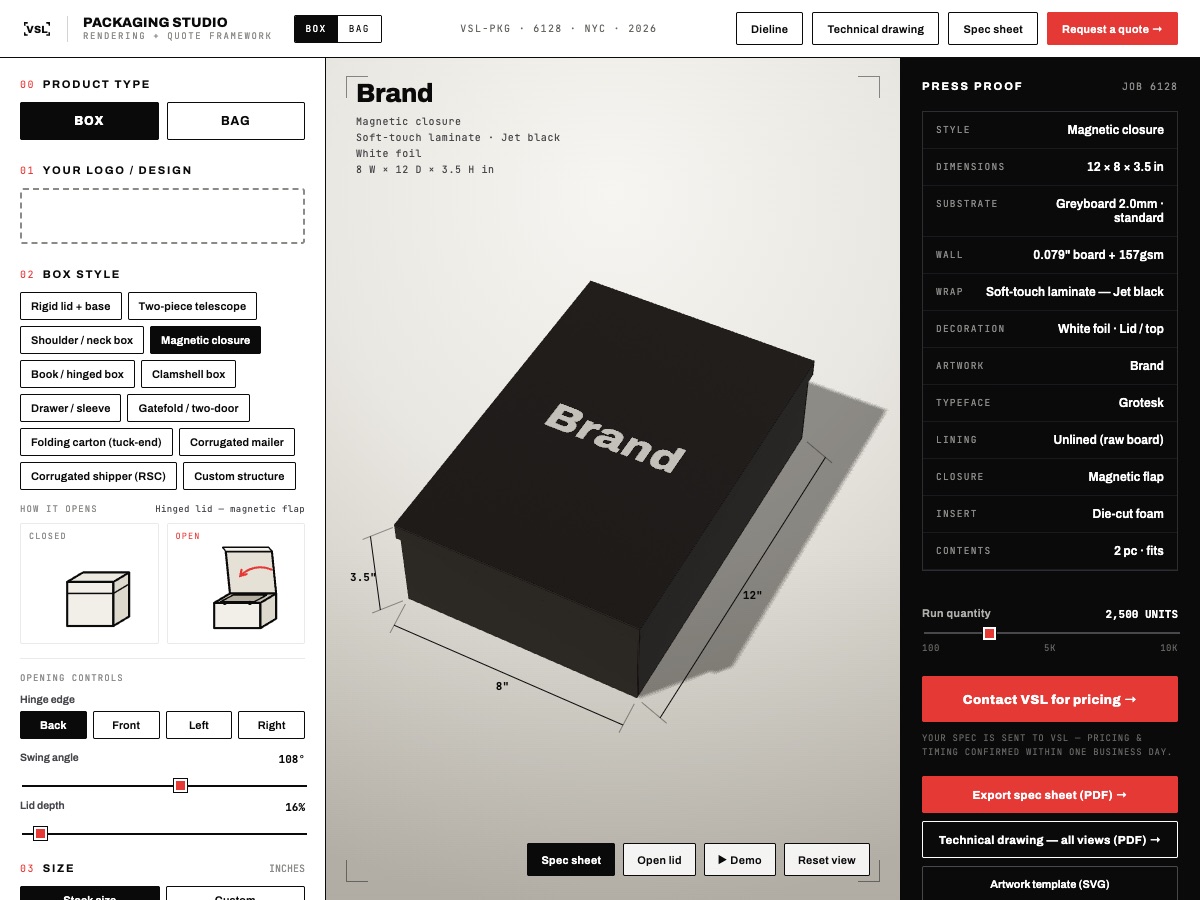
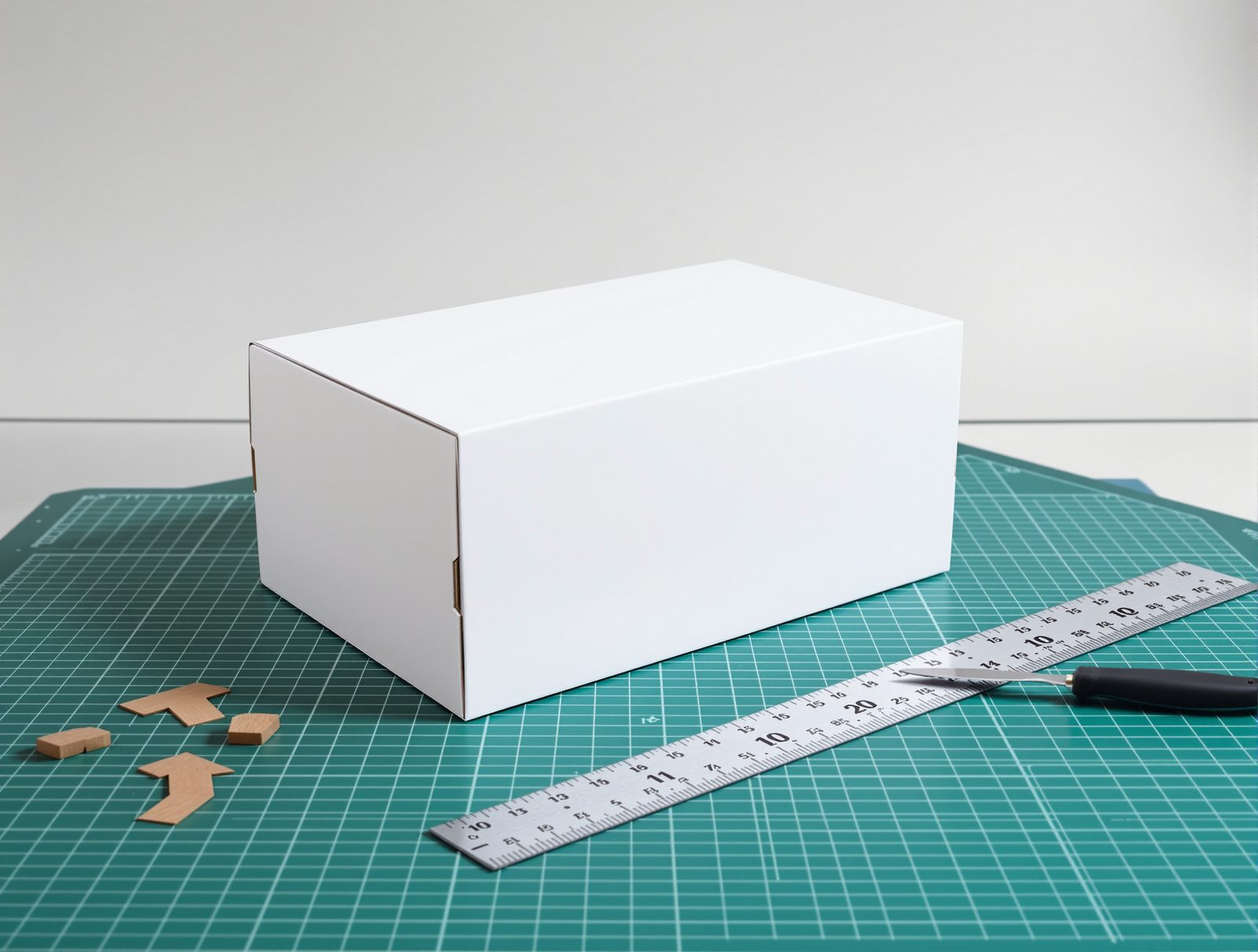
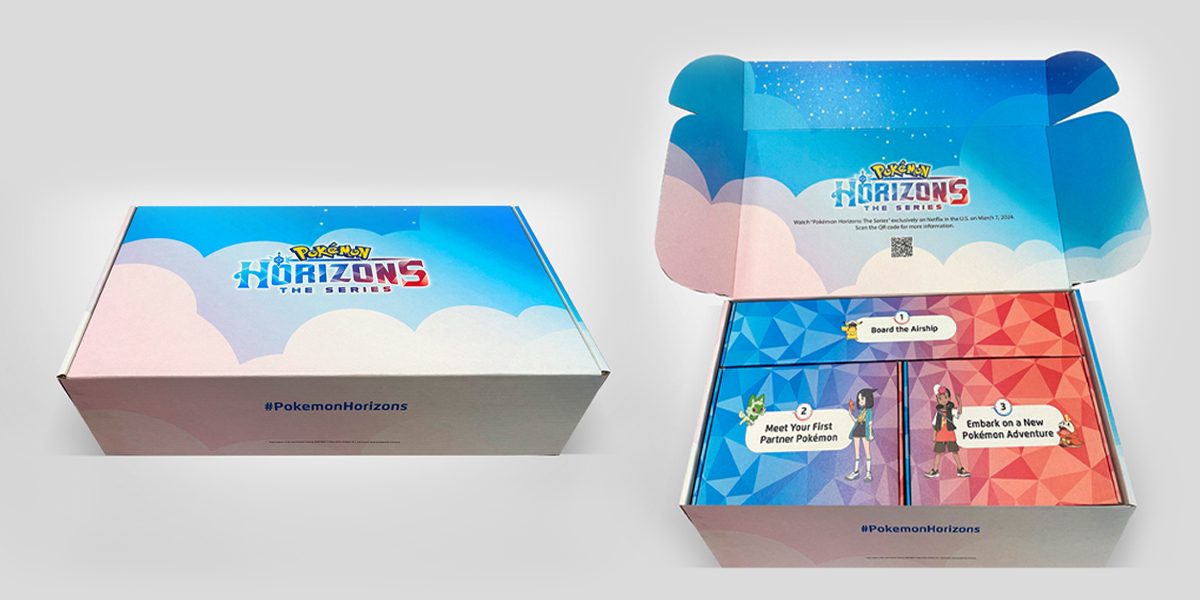
A photorealistic 3D rendering is where internal approvals happen: proportion, color coverage, and finish, reviewable on any screen the day the dieline is drawn — and anyone can sketch a first pass themselves in the Packaging Studio. But a render cannot tell you whether a lid seats flush, a handle tears, or an insert grips the product on a bumpy delivery. That is what the physical prototype is for: cut, folded, and assembled on the actual substrate, so your team approves a thing in hand, not a picture of one. The two stages answer different questions, which is why the pipeline runs both rather than treating a render as a substitute for a sample.
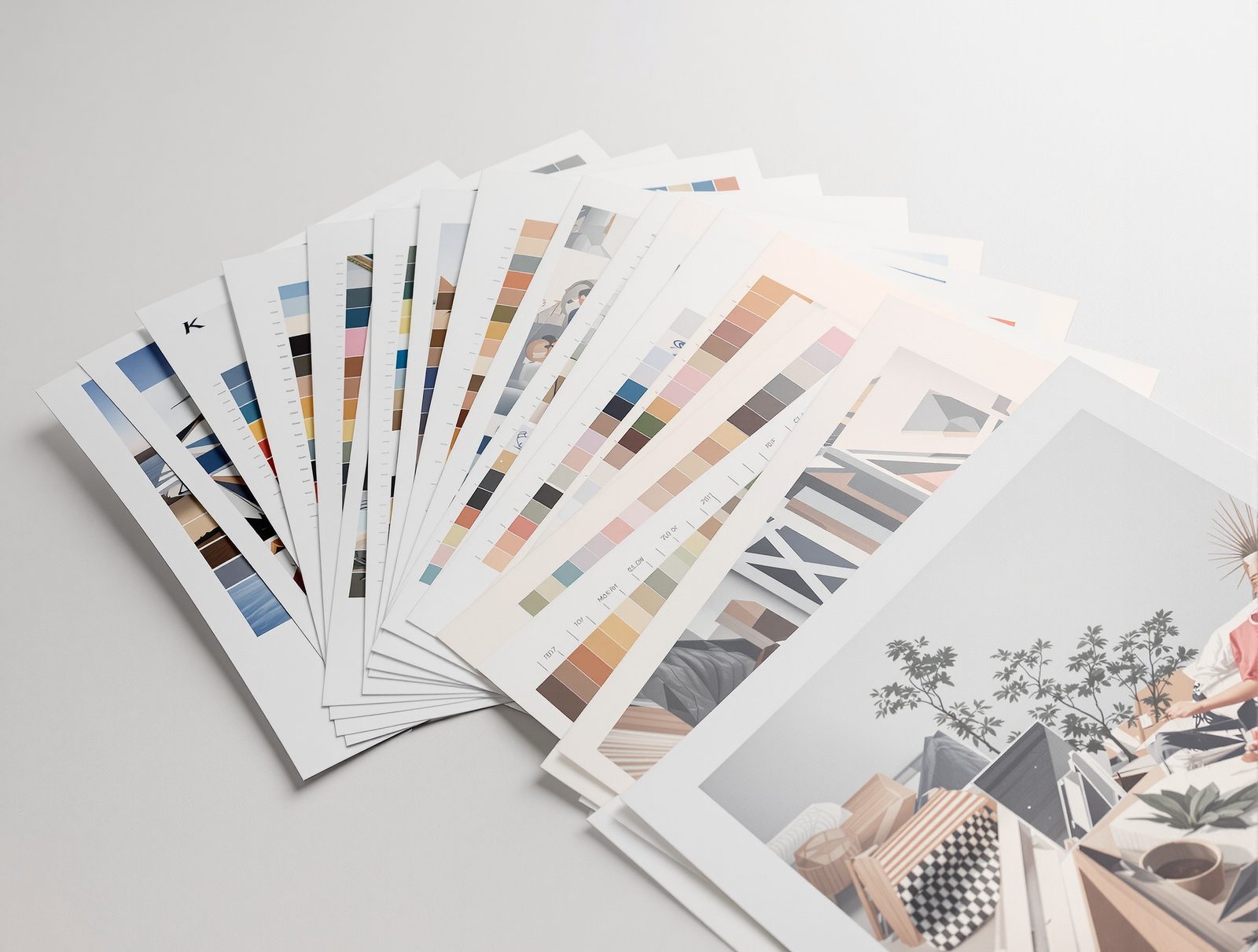
Color reads differently on coated board than on kraft, and a brand red that drifts warm on the wrong stock costs a rerun to fix. Every job here passes through pre-production proofs on the substrate your run will actually use — digital proofs for layout and copy, press proofs for color-critical work. The proof is the reference standard the production run is measured against, which is what makes a reorder next year match the box you approved this year. It is the least glamorous step in the pipeline and the one that saves the most money, because it is the last moment a change costs nothing but time.
The pipeline is not only for launches. Everything it produces — the dieline, the approved prototype, the signed proof — becomes the standing record of your packaging, and that record is what makes the second order easy. A reorder skips straight to production and gets measured against the same reference standard as the first run, which is why a box printed next spring matches the one approved this fall instead of drifting a shade with every batch. The record also makes change cheap: swap a panel of copy, resize for a new SKU, or move a program from a folding carton to a rigid box, and the work starts from files we already hold rather than a new vendor onboarding. For smaller brands this is the practical answer to a common worry — you do not need a packaging department to run packaging like one. Send the product and the quantity, and the pipeline holds the institutional memory: what was approved, on what board, with which finish, at what tolerance. That is the quiet advantage of one team owning all five capabilities, and it compounds with every run.
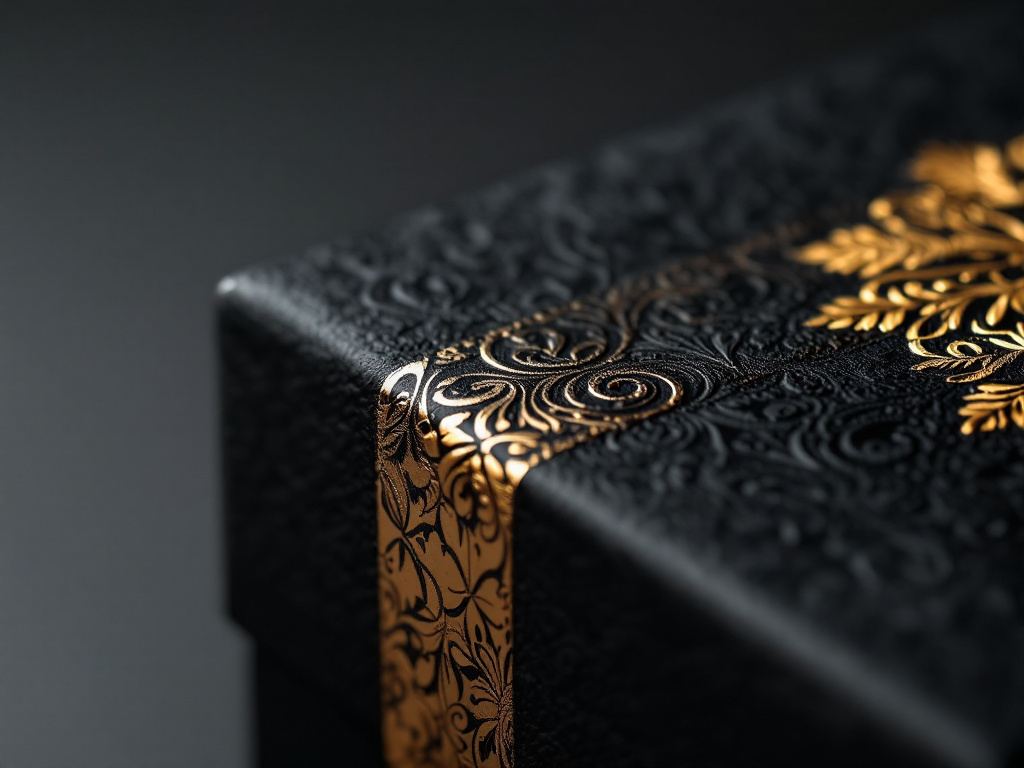
Finishing is where a box earns the way it feels: seven specialty finishes from embossing and debossing through spot UV, gloss, matte, satin, and soft-touch lamination coatings — often combined on a single piece. The rule that governs all of them: an effect is proofed on your artwork and your board before the run commits, because a deboss that looks right in a mockup can crush the wrong substrate, and a laminate changes how every color under it reads. Ready to put the pipeline on your product? Request a quote and a project manager will scope design through finishing in one conversation.
Send your product, packaging materials preference, and quantity — we'll recommend a structure, render it, and cut a sample you can hold.
Common Questions
Rigid chipboard, folding carton stock, corrugated E and B flute, and specialty papers, printed and finished to VSL's spec. Finishing covers embossing, debossing, spot UV, and gloss, matte, and satin coating — proofed on the packaging materials your job actually runs on rather than on a generic sample sheet.