Finishing
Debossing Services
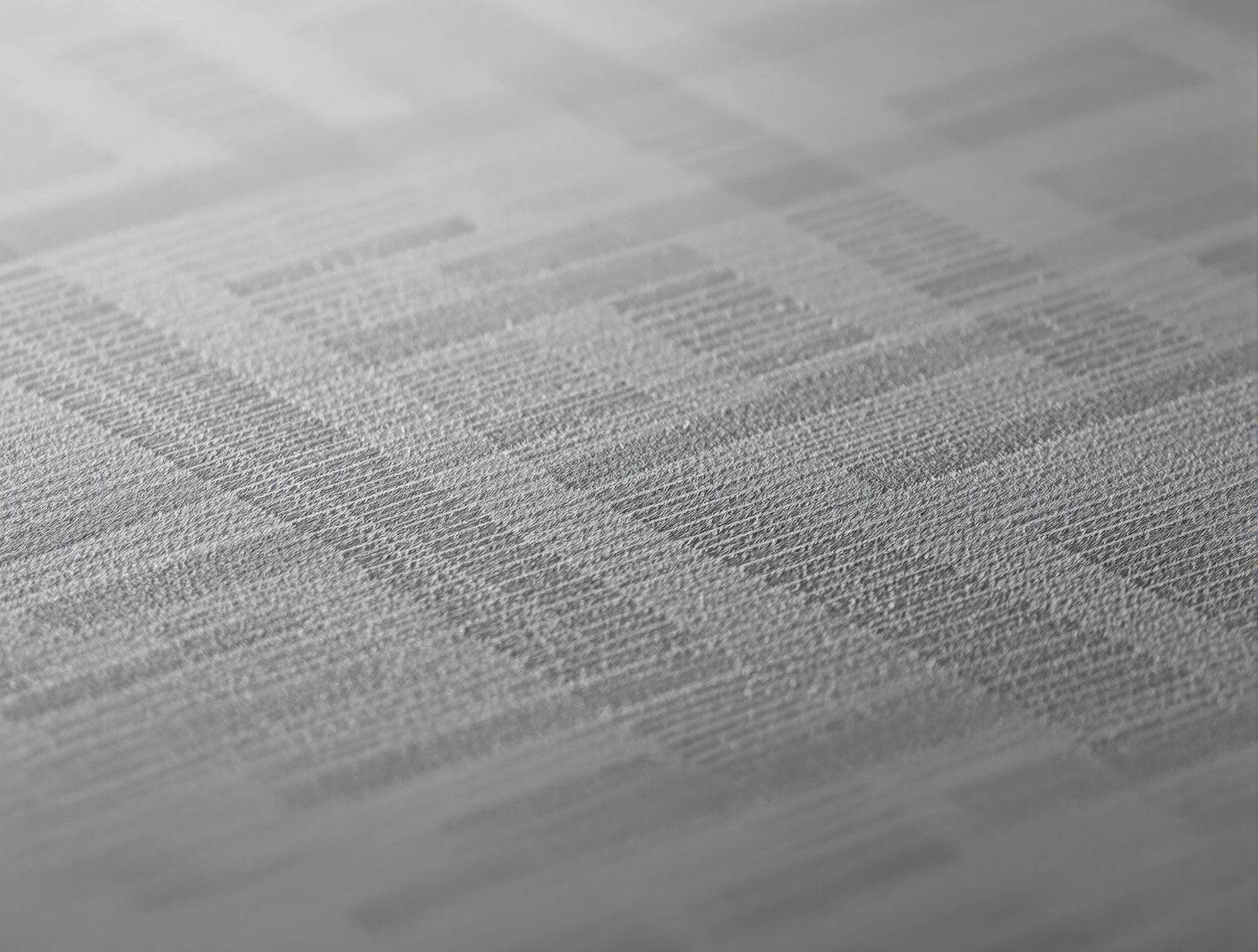
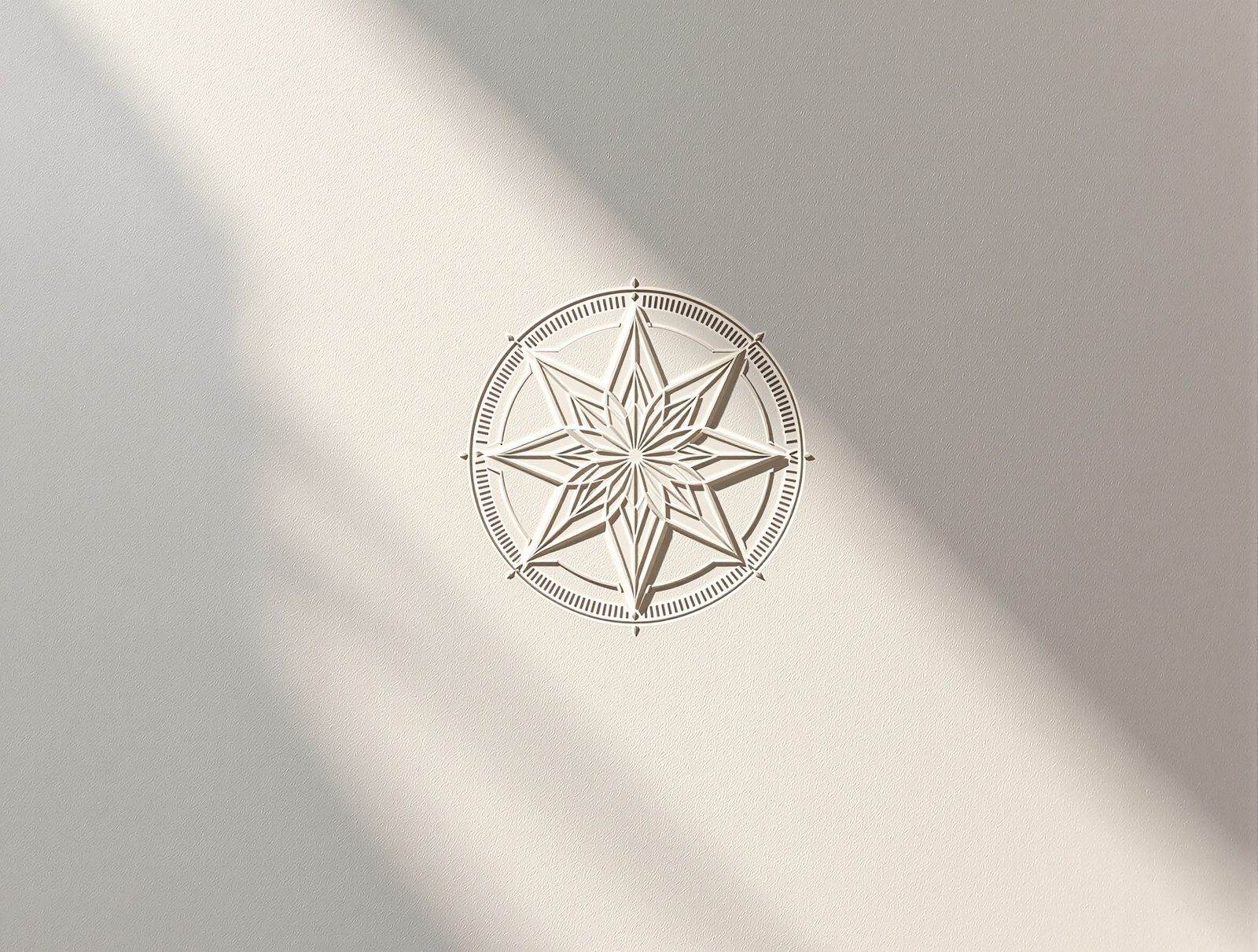
Debossing leaves a recessed imprint in the packaging surface, achieved with heat and pressure, so a logo or detail reads by depth and texture rather than by ink alone.
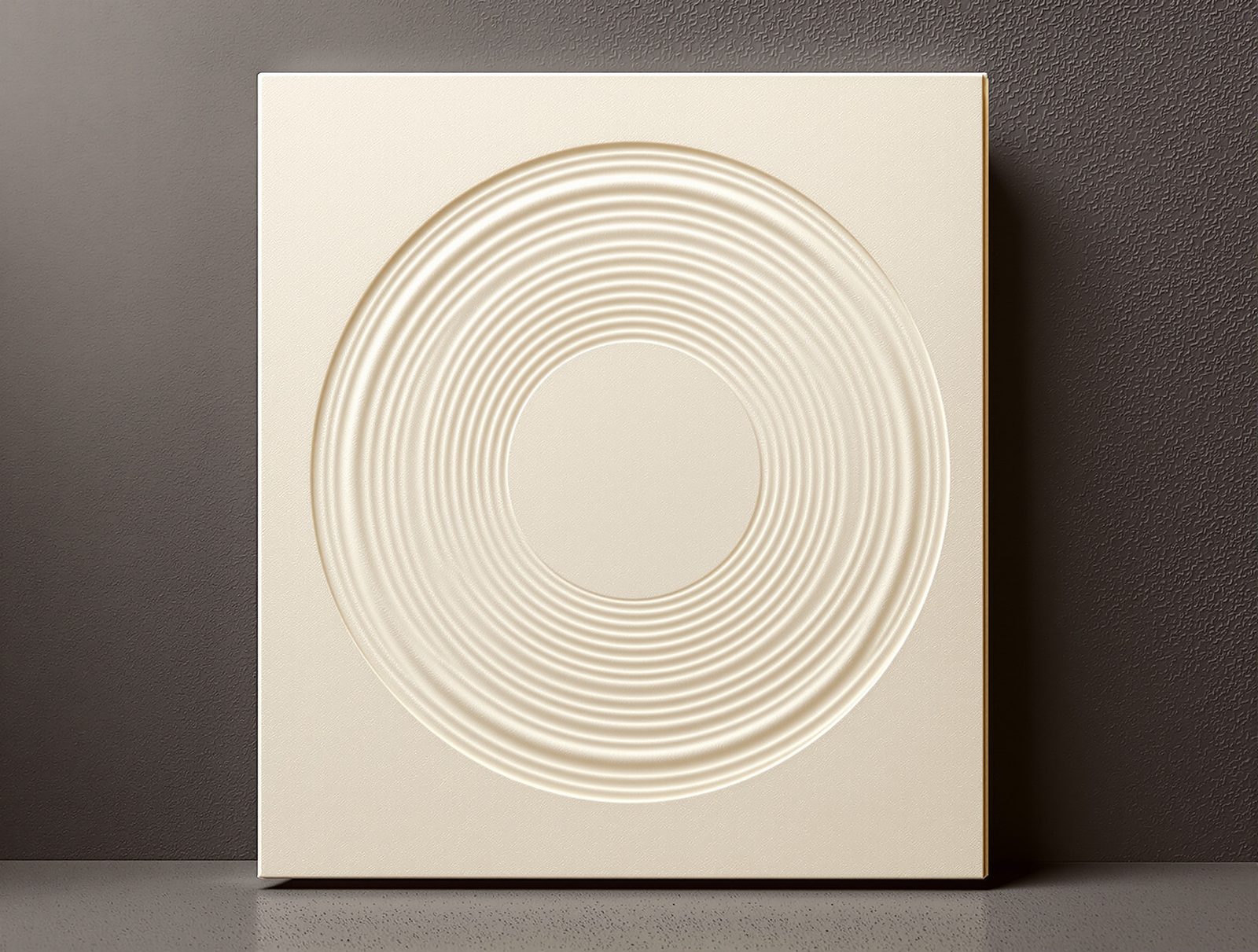
Need High-Quality Debossing Solutions for Your Packaging?
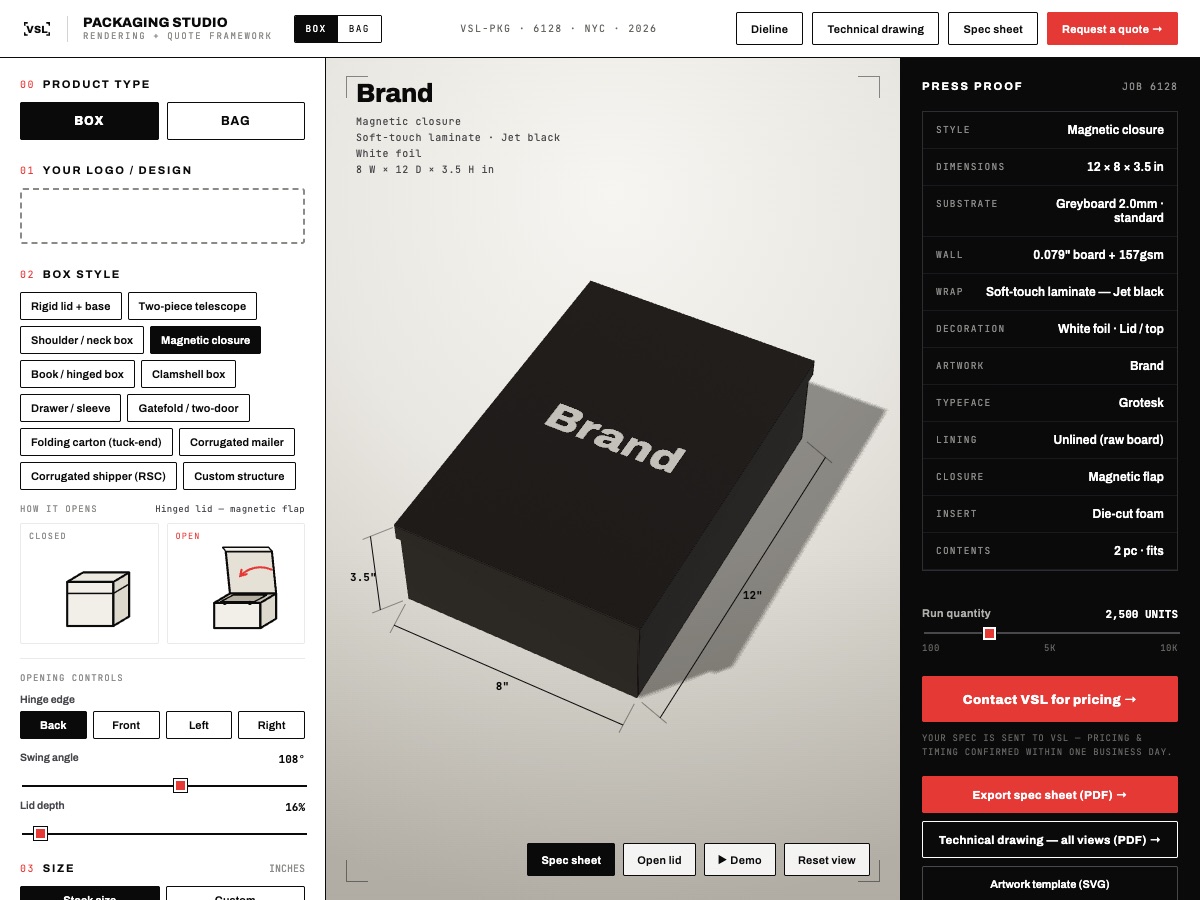
At VSL Packaging, debossing packaging work is engineered and proofed in Manhattan's Garment District, then produced to that spec — not a detail handed off and hoped for. We can design, model, and produce high-quality customized debossing solutions — including combined embossing and debossing — for your packaging that will be both highly memorable and functional, on a folding carton, a rigid box, or any custom packaging program your brand runs. Sketch a first pass yourself in the VSL Packaging Studio, or request a quote today and a project manager will scope the material and the technique with you. Details like matte finishing add a premium, tactile finish, and every design is proofed and prototyped before a production die ever runs.
Why Use Debossing on Packaging?
With so many companies offering nearly identical products, a packaging design that stands out matters more than ever. The right packaging design, material, and finish can help a business reach new customers, so being creative with the technique behind the packaging has become a must. Details like embossing add a premium, tactile finish, and our finishing line runs embossing and debossing, foil stamping, spot UV, matte, gloss, and satin coatings, and soft-touch lamination, often combined on a single design.
For this page, we'll focus on debossing and its close relative, embossing. Over the years, embossing and debossing have become popular finishing techniques, and you'll often see debossing used on folding cartons, rigid boxes, and even invitation cards.
The idea behind debossing is simple: it leaves a debossed, or depressed, imprint in the packaging surface, using a die to press the design down instead of raising it. From a more technical standpoint, debossing is a die-based technique, achieved with heat and pressure. Embossing works the opposite way, using a die to raise a design off the surface instead of recessing it into the material — which is why embossing and debossing get discussed, quoted, and run together so often. So what's special about debossing, and why use this technique on packaging? Let's see.
Eye-Catching
For most businesses, the only way to stand out is by creating eye-catching packaging. The more visually appealing your packaging design, the more it helps attract new customers. There are many finishing techniques for enhancing the appeal of packaging, but few compare to debossing, or its counterpart, embossing, for creating real depth on the surface.
Debossing adds a new layer of depth to packaging, and it reads from across a room: the die presses a recessed effect into the surface, the opposite of the raised effect embossing produces. To draw attention to one part of a design, either technique does the trick, and pairing foil stamping with embossing or debossing adds a metallic finish on top of the texture.
Attractive Logos
Brands spend thousands of dollars on logo design, only for that design to go unnoticed on the shelf. Debossing makes a logo stand out from the rest of the packaging and gives the branding a unique touch, useful for a business still building a recognizable identity through branding alone. Blind debossing, which presses the design in without foil or ink, keeps the focus entirely on the logo's shape and the shadow it casts; a foil-stamped deboss adds color and shine to that same recessed design.
Online and Offline
Debossing is a finishing technique that impresses customers offline and online alike. Many of the reviews people leave online talk about the packaging itself, and a debossed package reassures a customer that their order was worth the material, the design, and the branding behind it.
Increased Brand Value
The more a brand focuses on packaging design, the more it shows its commitment to customers. Debossing is one of the best ways to increase the value of a brand's packaging and its branding; the extra texture on the surface leaves customers impressed by the packaging alone, and it can help drive revenue for a business struggling to generate sales through packaging design changes alone.
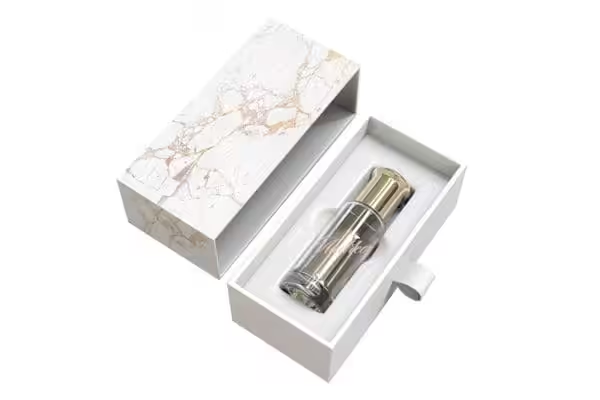
Debossing has broad use across packaging categories, though what it gets pressed into changes by product. Apparel and footwear brands put it on rigid box lids; beauty and spirits brands run it on folding cartons and gift boxes; jewelry brands use it on drawer boxes for a quiet, premium finish. The sequence behind all three is the same — artwork, then die, then prototype, then production.
Embossing and Debossing vs. Foil Stamping
Embossing and debossing are opposite techniques built on the same idea: a die presses into the packaging material under heat and pressure, and the design comes from which direction the material moves. Debossing pushes the design down, creating a recessed mark; embossing pushes it up, creating a raised one. Foil stamping is a different technique — it uses heat and pressure to transfer metallic or pigmented foil onto the surface rather than reshaping the material — but the three finishes are frequently combined on the same design. A logo finished with foil embossing is raised by the die and colored by the foil in the same pass, while a foil-stamped deboss lets a recessed mark carry color and shine instead of shadow alone.
Blind embossing and blind debossing describe the same techniques run without foil or ink: the design reads entirely through the shadow the die casts on the material's surface, which is why branding that leans on subtlety often chooses blind embossing or blind debossing over a foil-stamped finish. Whether a project calls for blind embossing, foil embossing, or an embossing-debossing combination on a single panel — one element raised and one recessed — the die and the material dictate what's possible: a heavier material holds a deeper impression than a light one, and any design with fine detail needs a die engraved to match that detail.
We run embossing and debossing, along with foil stamping, on the same custom packaging programs we design, prototype, and produce — folding cartons, rigid boxes, and every custom packaging style between. On a folding carton, the finish runs against the flat sheet before it's cut and glued, so a debossed or embossed design has to clear the fold lines; on a rigid box, the wrap can carry a deeper impression since there's no fold line to work around. Either way, we scope which combination of embossing, debossing, and foil stamping fits the design during prototyping, before a production die ever runs.
The Debossing Process, from Die to Finished Packaging
The debossing process starts with a die: a metal tool engraved with the reverse of the design, cut to match the artwork's design complexity exactly. Once the die exists, it's heated and pressed into the packaging material under controlled pressure, and the material takes the shape of the die's engraving. That's how debossing works: no ink at this stage, just heat, pressure, and a die creating a recessed image in the surface. The same die can run with foil for a foil-stamped finish, or without it for a blind debossing finish, depending on the look a design calls for. An embossing die works the same way in reverse, and many programs use both dies on the same piece of packaging.
Material choice matters as much as the die itself. A heavier, uncoated material holds a crisp debossed impression longer than a thin, coated one, since the surface needs enough body to keep the recessed shape after the die lifts away — the same is true in reverse for embossing, where a thin material can crack instead of holding the raised surface. That's why we test the material, the die, and the design together on a physical prototype before committing to a production run, rather than guessing from a flat proof.
Beyond the technique itself, debossing does real work for branding. A debossed logo reads by touch as well as by sight — a surface a customer feels before reading a word of copy, which flat printing can't match. It's as much a branding decision as a manufacturing one: holding the same die between reorders keeps the mark identical from run to run, and a deboss pairs well with a matte or gloss coating on the surrounding panel. That's part of why the technique carries so well across folding cartons, rigid boxes, and gift packaging alike — a tactile signal that a brand invested in the packaging itself, not only in what's printed on it. Whether a project calls for blind debossing, a foil-stamped finish, or an embossing-debossing combination that raises one detail while recessing another, the process stays the same: design the artwork, cut the die, prototype the material, then run the finish.
Packaging can be one of the most important, and most confusing, aspects modern businesses face. Although there are many finishing techniques to choose from — embossing and debossing, or an embossing-debossing combination — creating packaging that reflects your brand still takes the right material, design, and die. Debossing helps meet those creative requirements and represents products more professionally, creating packaging customers remember and adding real branding value along the way.
Start the Conversation
Tell us the product and where it is headed — we will scope the work before anything goes to press.