Finishing
Embossing Services
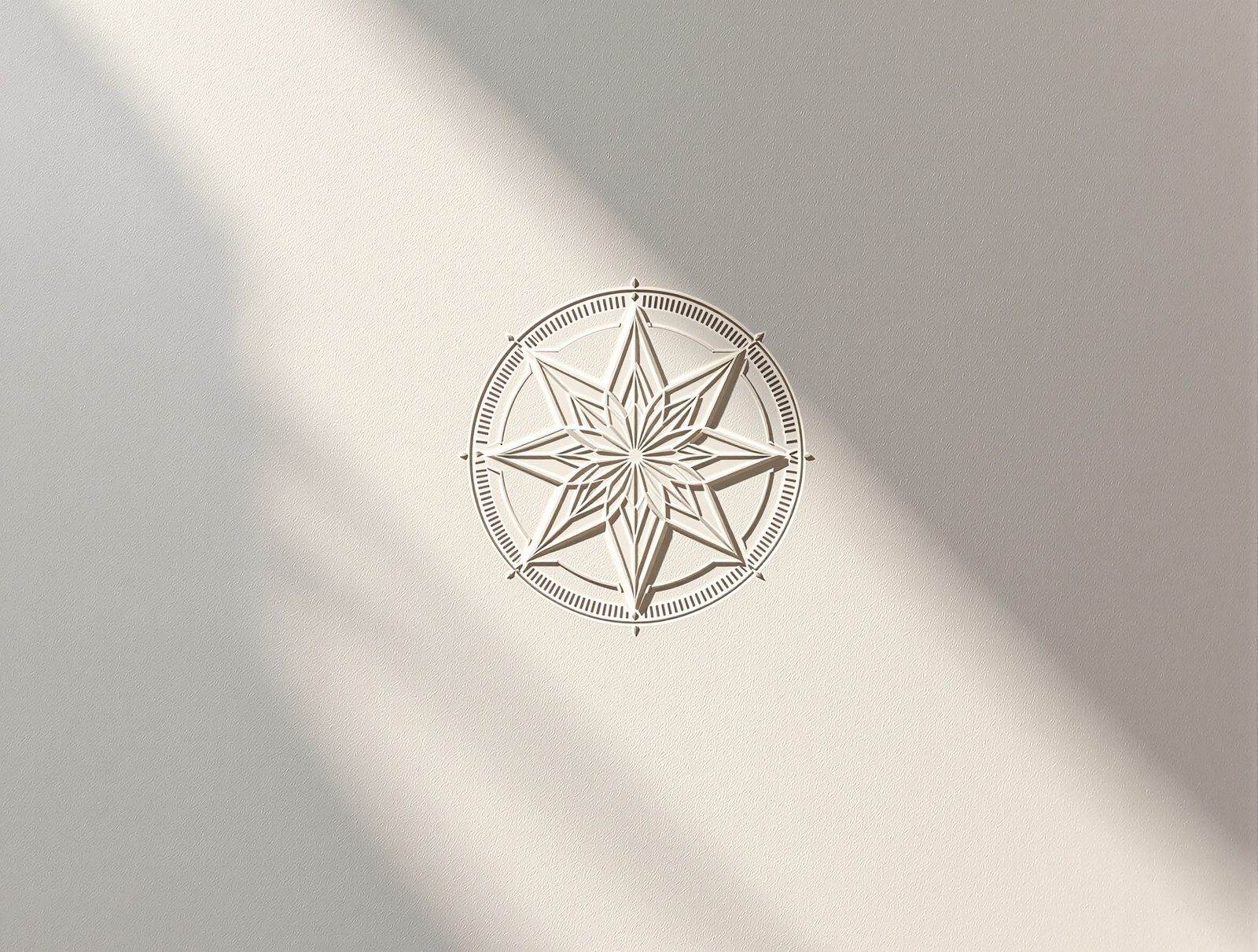
Embossing uses heat, pressure, and a metal plate to give packaging a 3D sculpted look, raising a logo or line of type off the surface so it catches attention from a distance.
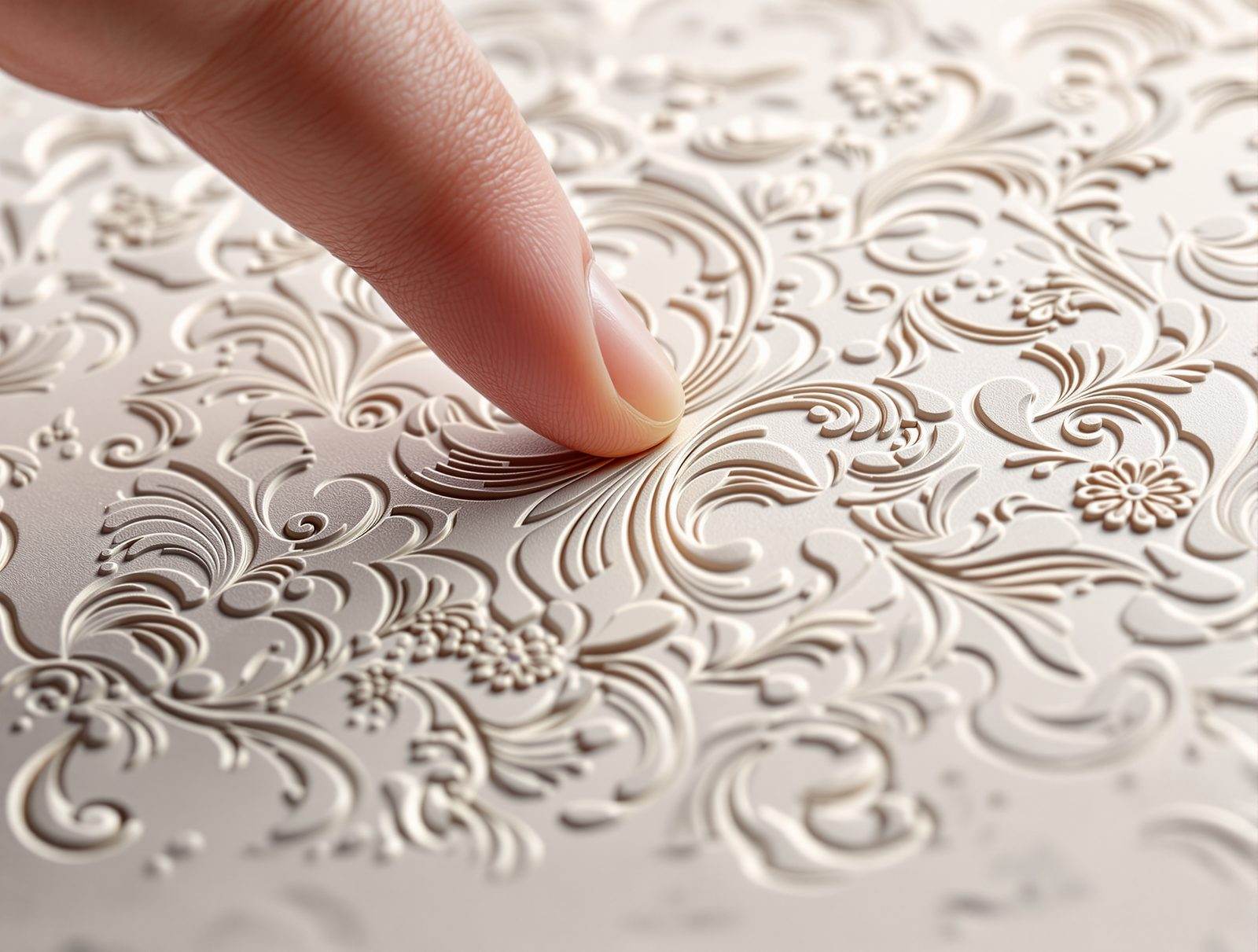
Need High-Quality Embossing for Your Packaging?
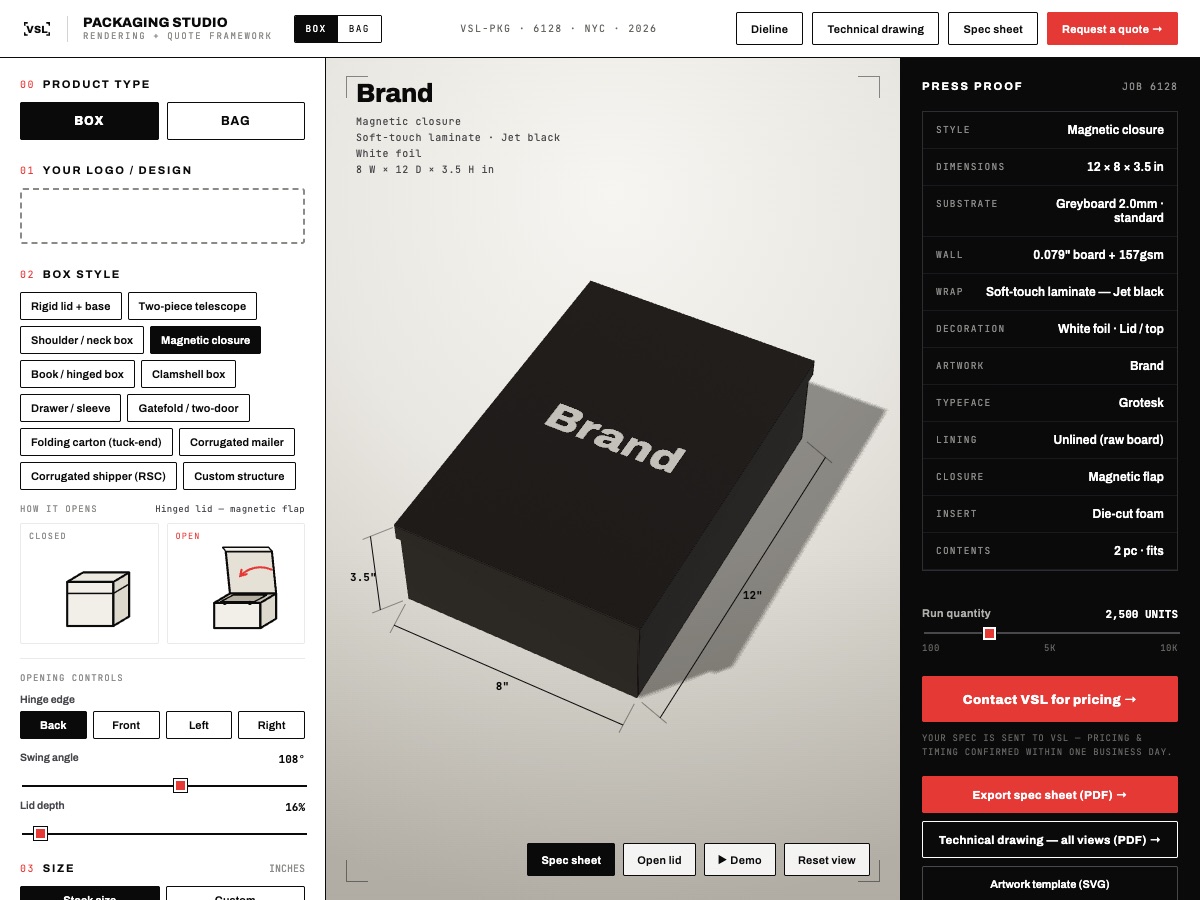
At VSL Packaging, embossing packaging work is engineered and proofed in Manhattan's Garment District, then produced to that spec — not a detail handed off and hoped for. We design, model, and produce high-quality, customized embossing solutions for your packaging, on a folding carton, a rigid box, or any custom packaging program your brand runs. Sketch a first pass yourself in the VSL Packaging Studio, or request a quote today and a project manager will scope the material and the technique with you. Add satin finishing to make key elements pop.
Why Use Embossing on Packaging?
Looking to add value to your brand but short on ideas? Consider focusing on the packaging of your product and adding finishing techniques such as our embossing services. Embossing gives packaging a 3D sculpted look: heat, pressure, and a metal plate raise a logo, a line of type, or an embossed image off the surface, so it reads by touch as well as by sight. Our finishing line runs embossing and debossing, foil stamping, spot UV, matte, gloss, and satin coatings, and soft-touch lamination, often combined on a single design, and every embossing packaging project is proofed and prototyped before a production plate ever runs. The majority of business owners underestimate how much a professional embossing finish can do for a brand until they hold a sample in their hands. Pair it with debossed packaging for extra depth and detail.
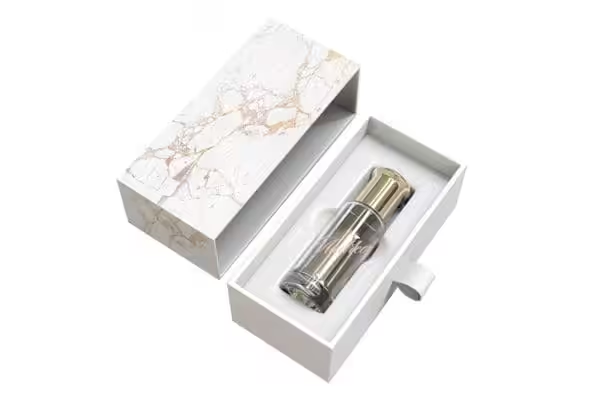
Embossing works well anywhere a logo or line of type needs to stand apart from flat print: rigid box lids, folding carton lids, invitation-style inserts, and any custom packaging piece meant to be handled before it's opened. On a folding carton, an embossed image has to clear the fold lines so the raised area doesn't crack when the panel scores; on a rigid box, the wrap can carry a deeper impression since there's no fold to work around. Either way, we test embossing techniques against your actual material during prototyping, not from a flat proof.
Embossing and Debossing vs. Foil Stamping
Embossing and debossing are opposite techniques built on the same idea: a die presses into the packaging material under heat and pressure, and the direction the material moves decides the effect. Embossing raises the design off the surface; a debossing embossing pairing works the reverse, pressing it down into a recessed mark. Foil stamping is a different technique: it uses heat and pressure to transfer metallic or pigmented foil onto the surface instead of reshaping the material, but the two are frequently combined — a foil-embossed logo is raised by the die and colored by the foil in the same pass.
Blind embossing describes the technique run without foil or ink: the design reads entirely through the shadow the die casts, which is why branding that leans on subtlety often chooses blind embossing over a foil-stamped finish. A combination embossing and debossing pass — one element raised, another recessed, on the same panel — is possible too, and which combination fits a design comes down to the die and the material: a heavier stock holds a deeper impression than a light one, and any design with fine detail needs a die engraved to match it.
The Embossing Process, from Die to Finished Packaging
The embossing process starts with a die: a metal tool engraved with the design, cut to match the artwork's detail exactly. Once the die exists, it's heated and pressed into the packaging material under controlled pressure, and the material takes the raised shape of the engraving — no ink required at this stage, just heat, pressure, and a die. The same die can run with foil for a foil-stamped finish, or without it for a blind embossing finish. A debossing process works the same way in reverse, and many programs run an embossing debossing pass — both dies on the same piece of packaging.
Material and paper choice matter as much as the die. A heavier, uncoated stock holds a crisp embossed image longer than a thin, coated one, since the surface needs enough body to keep the raised shape after the die lifts away; a thin paper can crack instead of holding the impression. That's why we test the material, the die, and the design together on a physical prototype before committing to a production run, rather than guessing from a flat proof.
Packaging can be one of the most important, and most confusing, aspects modern businesses face. Creating packaging that reflects your brand still takes the right material, design, and die. Embossing helps meet those creative requirements and represents products more professionally, adding real branding value along the way.
Start the Conversation
Tell us the product and where it is headed — we will scope the work before anything goes to press.