

Boxes
Corrugated Cardboard Boxes
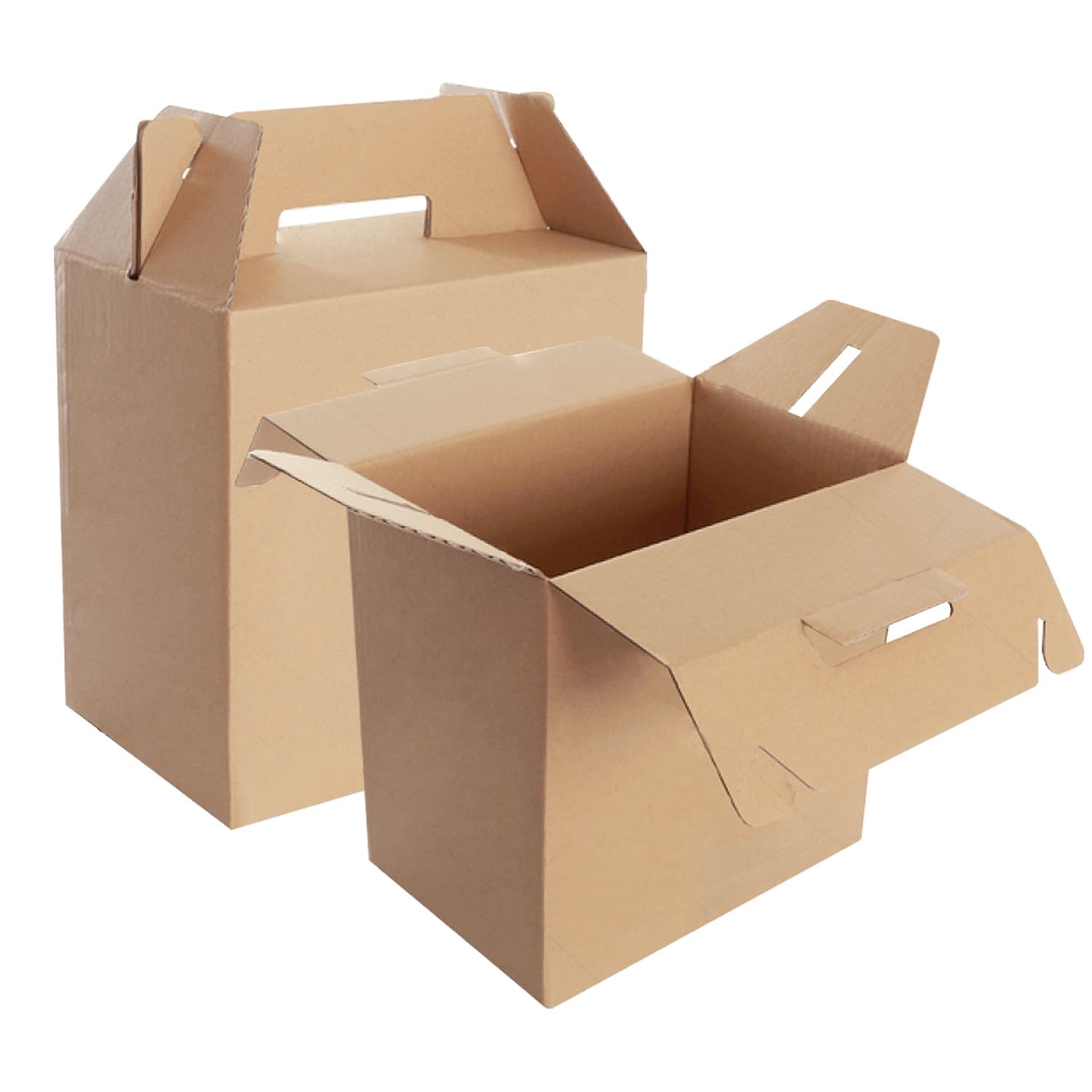
The corrugated stock underneath nearly everything we build — a fluted paper medium glued between two flat liner sheets — stocked and cut in the flute profile, wall count, and board finish each order calls for.
Flute Profiles
A, C, E, and F
Wall Counts
Single-, double-, and triple-wall
Board Facing
Natural kraft or white
Printing
Flexographic or litho-laminate
Corrugated cardboard is the material underneath nearly everything we build — a fluted paper medium glued between two flat liner sheets, which is what turns paperboard into something that can carry weight, survive a stacking pallet, and absorb an impact that would crush a flat carton. We spec and produce corrugated cardboard boxes in New York City, in the flute profile, wall count, and board finish each order calls for, rather than routing every job through one default spec. This page covers how flute and board grade get chosen for corrugated boxes, single-wall versus double-wall construction, kraft versus white board, printing on corrugated stock, and when a paperboard box is the better call instead.
Flute Profiles: What They Actually Control
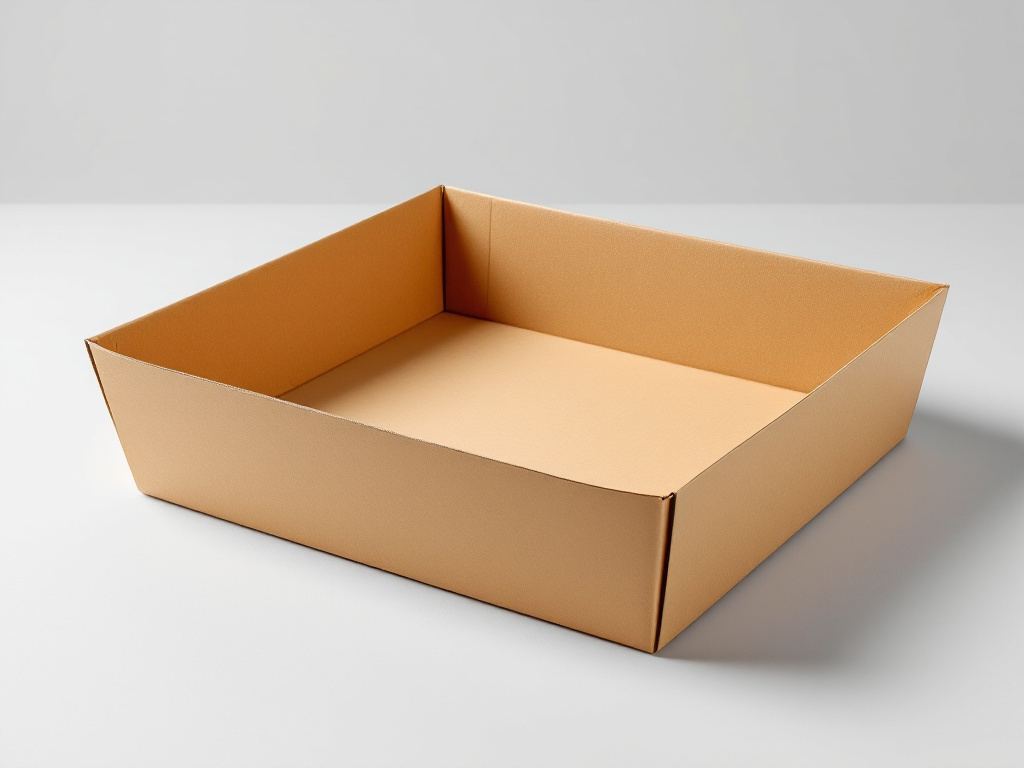
The flute is the wavy inner layer that gives corrugated board its strength, and its size drives three things at once: cushioning, crush resistance, and how sharp your print detail can run. A thicker flute like A-flute cushions harder impacts well but takes a coarser fold; a thinner flute like E-flute or F-flute holds a crisp die-cut edge and prints tighter detail, which is why it turns up in retail-facing cartons and shallow, die-cut formats like our corrugated trays. C-flute sits in the middle and is the default for general shipping because it balances both jobs well. We match flute to the product's actual weight and handling path during prototyping rather than defaulting to whatever's already tooled up. For the full flute-by-flute breakdown — plus how board-grade testing (ECT and Mullen) fits into the decision — our corrugated box guide covers every spec.
Board Grades: Single-Wall, Double-Wall, and Triple-Wall
Flute profile is one variable; wall count is the other, and the two get specified together. Single-wall board — one fluted layer between two liners — covers most retail and e-commerce shipments, including the standard regular slotted container that moves the bulk of parcel freight. Double-wall adds a second fluted layer between three liners for heavier goods, glass, or anything riding deep in a stacked pallet. Triple-wall steps up again, four liners and three flute layers, for industrial loads and freight that has to survive a long haul without a pallet's worth of cushioning underneath it. Going up a wall grade adds material cost and box weight, so we spec against the product's real weight and fragility rather than over-building by default — a heavier wall count doesn't help if the product never sees the stacking load it was built for.
Kraft vs. White Board
Board facing is a separate decision from flute and wall count, and it shapes both cost and how the box reads once it's opened. Natural kraft is unbleached virgin or recycled fiber — it keeps a raw, visibly sustainable look, takes flexographic printing well for one- or two-color branding, and runs at a lower cost for wholesale volume. White board is kraft stock coated or lined in white, which gives full-color graphics more contrast and a cleaner, more retail-shelf finish — worth the added cost when the box itself is part of the unboxing experience rather than a shipping-only case headed straight into a warehouse.
Printing on Corrugated
Corrugated board prints differently than smooth paperboard, and the process matters as much as the artwork. Flexographic printing runs directly on the corrugated sheet and is the standard for logos, one- to three-color branding, and case-count markings at wholesale volume — it's fast and holds up well on kraft stock. For full-color, photo-quality graphics, we litho-laminate a separately printed liner sheet onto the corrugated board before die-cutting, which is what gives a retail-facing corrugated box the same crisp coverage as a folding carton. Both processes happen alongside die-cutting, so a color correction or a late artwork change doesn't mean waiting on an outside converter's production queue.
Corrugated vs. Paperboard: Which Do You Need?
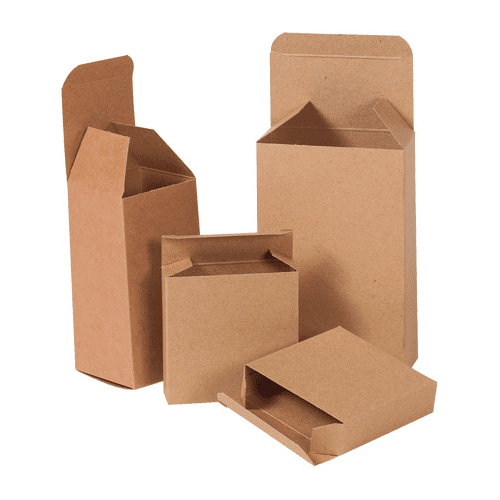
Corrugated cardboard boxes earn their keep when a box has to survive stacking, shipping, or repeated handling — the fluted layer is what a flat sheet of board simply doesn't have. If your product is light, ships in lower volume, and needs shelf presence more than stacking strength, a paperboard folding carton is often the better and cheaper option instead, since it skips the flute layer entirely and folds from a single scored sheet. Products that do both jobs — a retail box that also has to survive a parcel network — often ship as a folding carton nested inside a corrugated outer case, which is a combination we set up regularly for e-commerce and wholesale accounts alike.
Heavy-Duty Corrugated Boxes for Shipping, Moving, and Storage
Most of what we build as corrugated boxes is headed into a shipping job, a moving project, or a warehouse shelf, and the flute and wall-count decisions above are what make a box heavy-duty enough for each one. Corrugated shipping boxes carry the bulk of that work — e-commerce parcels, wholesale case packs, and freight that has to survive a conveyor belt and a delivery van without a crushed corner — and we spec every batch against the product's real weight. The same board serves moving boxes and general storage just as well: a business relocating an office or archiving records under long-term storage needs the same secure, crush-resistant protection a single shipment does, just held over a longer sitting period. Lighter-duty mailing boxes can run on a thinner E-flute or F-flute and still protect smaller items in transit; if you only need mailing boxes for lightweight parcels, we can spec a simpler single-wall build without the added heavy-duty cost. For genuinely heavy-duty shipping and storage — dense products, awkward sizes, a packing job that has to survive months on a shelf — we spec the same double- or triple-wall board we use for industrial freight. Tell us the sizes, weight, and how long the load needs to sit, and we'll build boxes designed to match rather than default to whatever's already tooled up.
Corrugated Cardboard Boxes FAQ
Do you supply corrugated boxes for moving, packing, and general storage, not just shipping? Yes. Sizes and wall count are the variables that change — a box sitting in storage for months needs the same crush resistance as one on a one-day shipment, just held longer. Tell us the product sizes and how long the items need to sit.
What's the difference between single-wall and double-wall corrugated? Single-wall board has one fluted layer between two liners and covers most standard shipping and retail needs. Double-wall adds a second fluted layer between three liners for heavier goods, glass, or deep pallet stacking, at added material cost and box weight.
Is kraft or white corrugated board better for printing? Neither is universally better — it depends on the job. Kraft takes flexographic printing well for one- or two-color branding at a lower cost, while white board gives full-color graphics more contrast and a cleaner retail finish, which matters more when the box doubles as part of the unboxing experience.
When should I use paperboard instead of corrugated? Choose paperboard when the product is light, ships in lower volume, and needs shelf presence more than stacking strength — a folding carton folds from a single scored sheet and skips the flute layer entirely. Choose corrugated whenever the box has to survive stacking, freight handling, or repeated impact on its own.
Every corrugated cardboard box on this page is cut, printed, and prototyped in New York City. Call 1.646.843.0800, visit our office at 239 West 29th Street, Ground Floor, New York, NY 10001, or email sales@vslpackaging.com with your product weight, dimensions, and expected volume, and we'll spec the flute, wall count, and board finish before anything goes to press.
Price Your Run
Product dimensions, quantity, and any finish ideas — we will quote structure, material, and print.