VSL Packaging — NYC custom packaging company

Industry

Commercial Packaging

Custom commercial packaging designed and produced in NYC — the same team that quotes a job engineers the dieline, specifies the print, and signs off on the finished carton, with no broker in the middle translating your spec.

Commercial packaging by VSL Packaging

What This Industry Runs

The Formats Commercial Brands Order

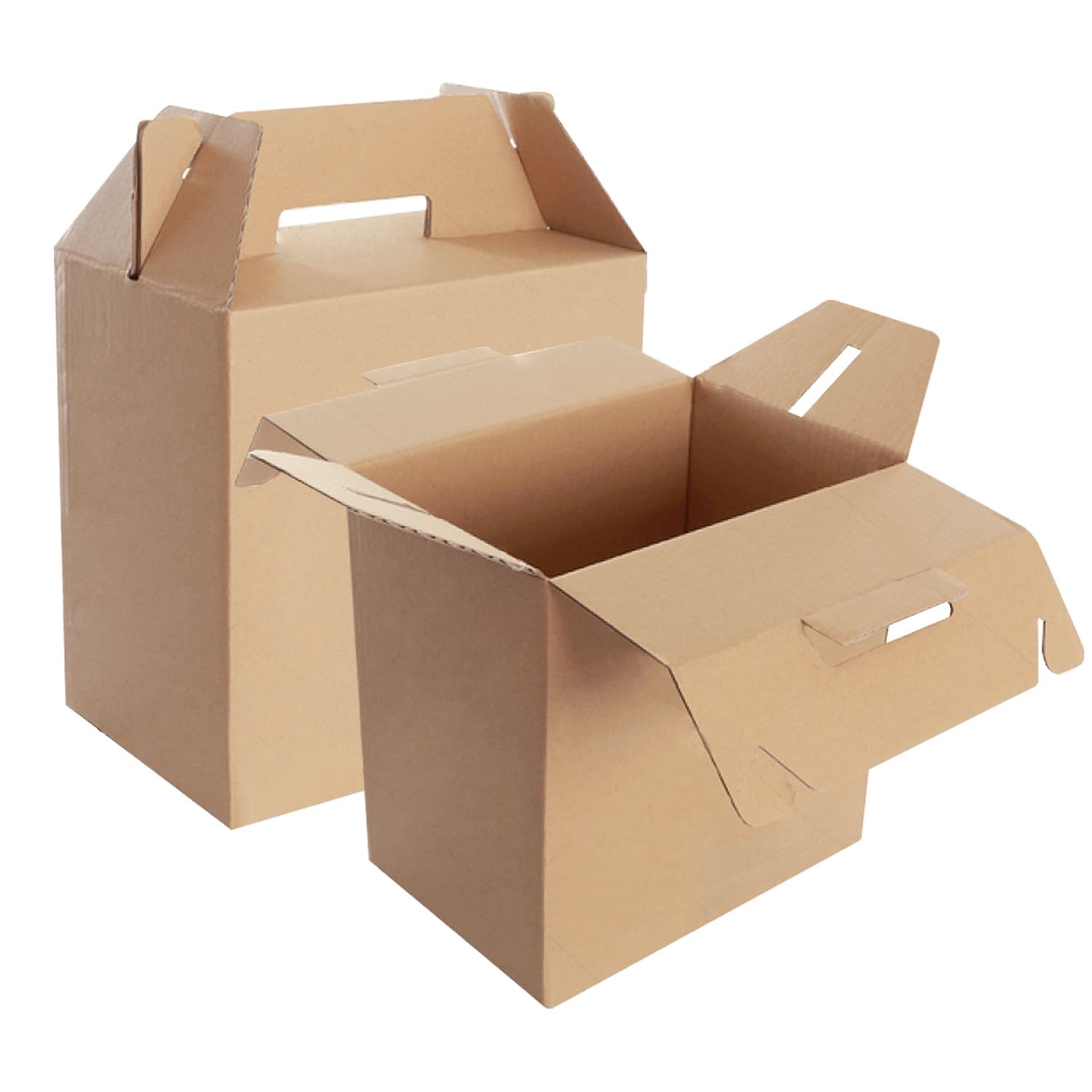
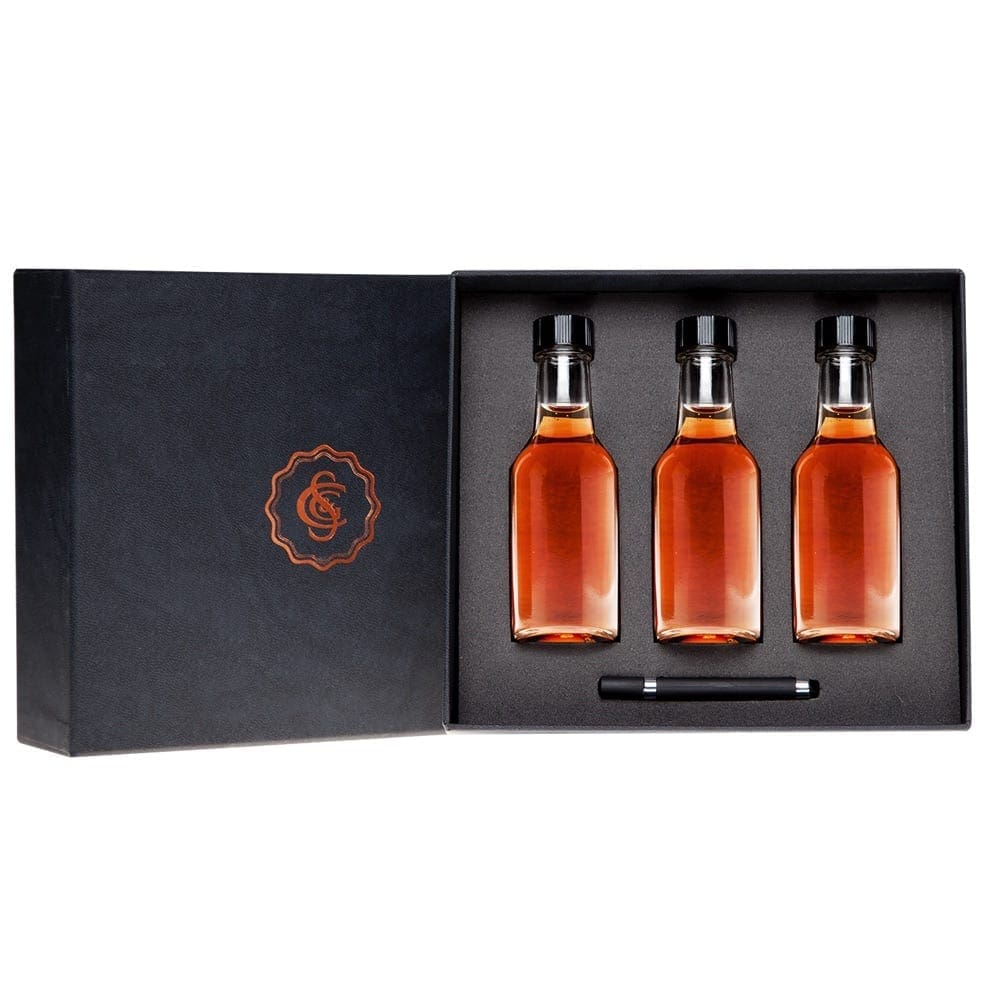
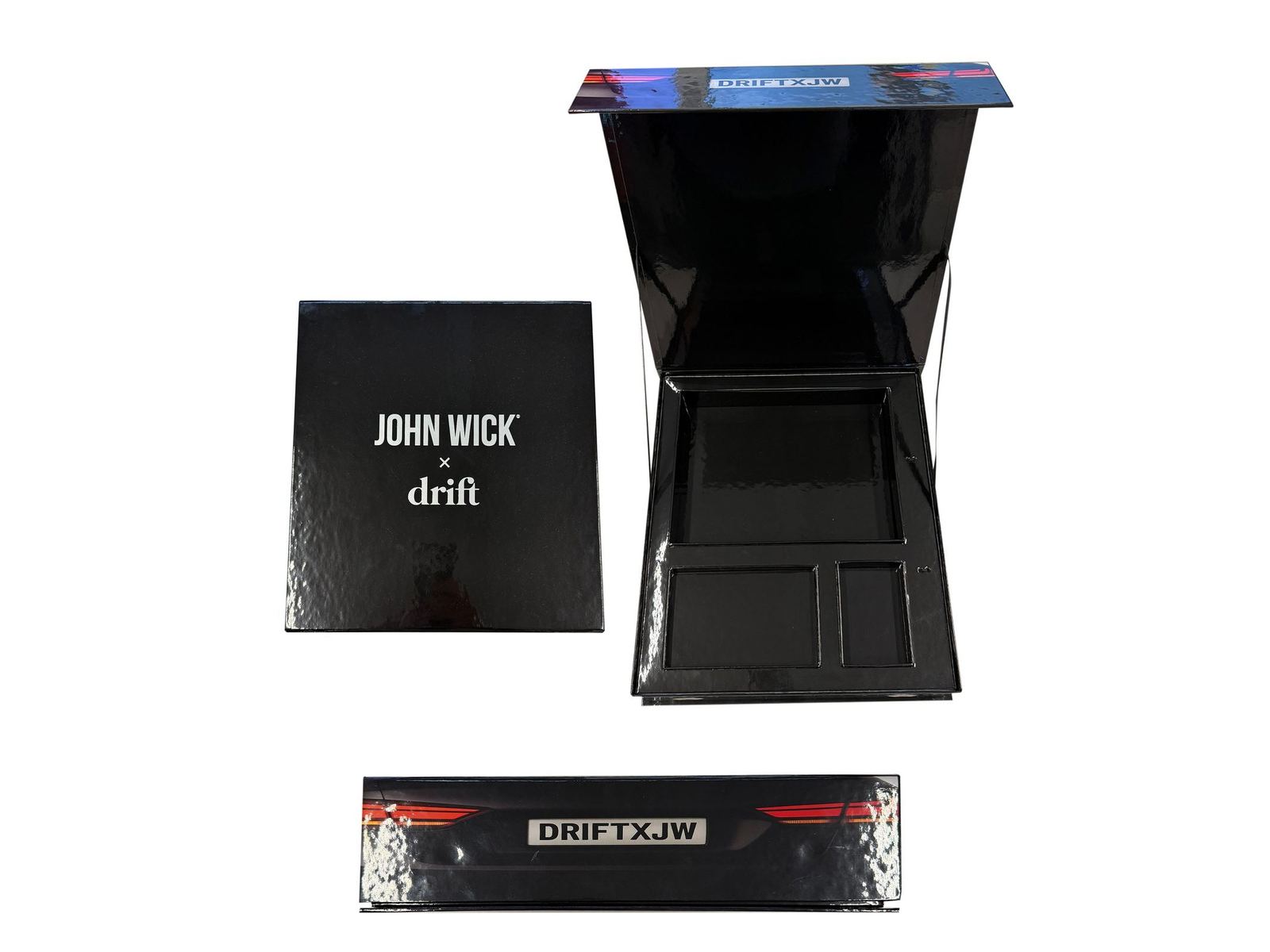
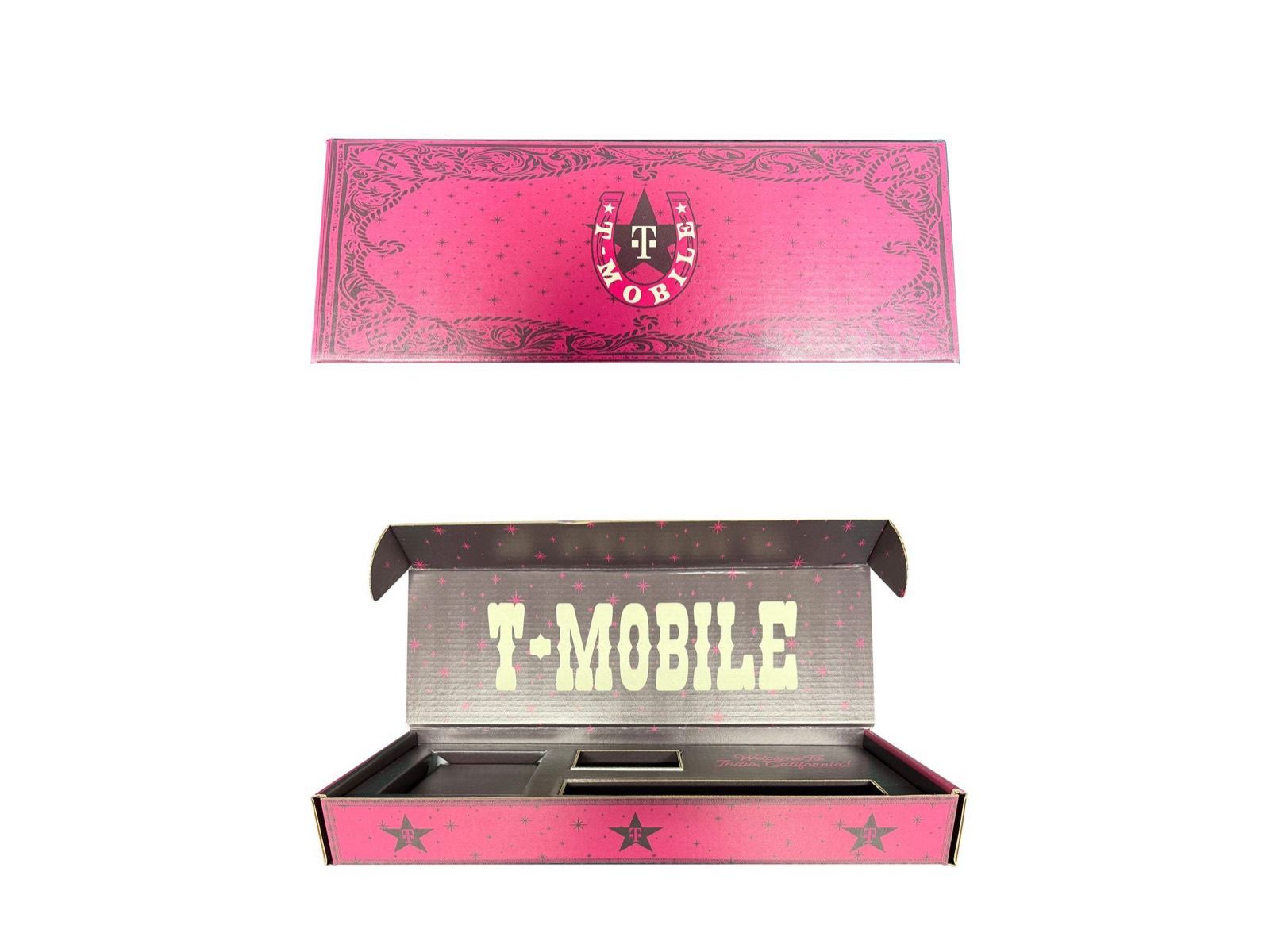
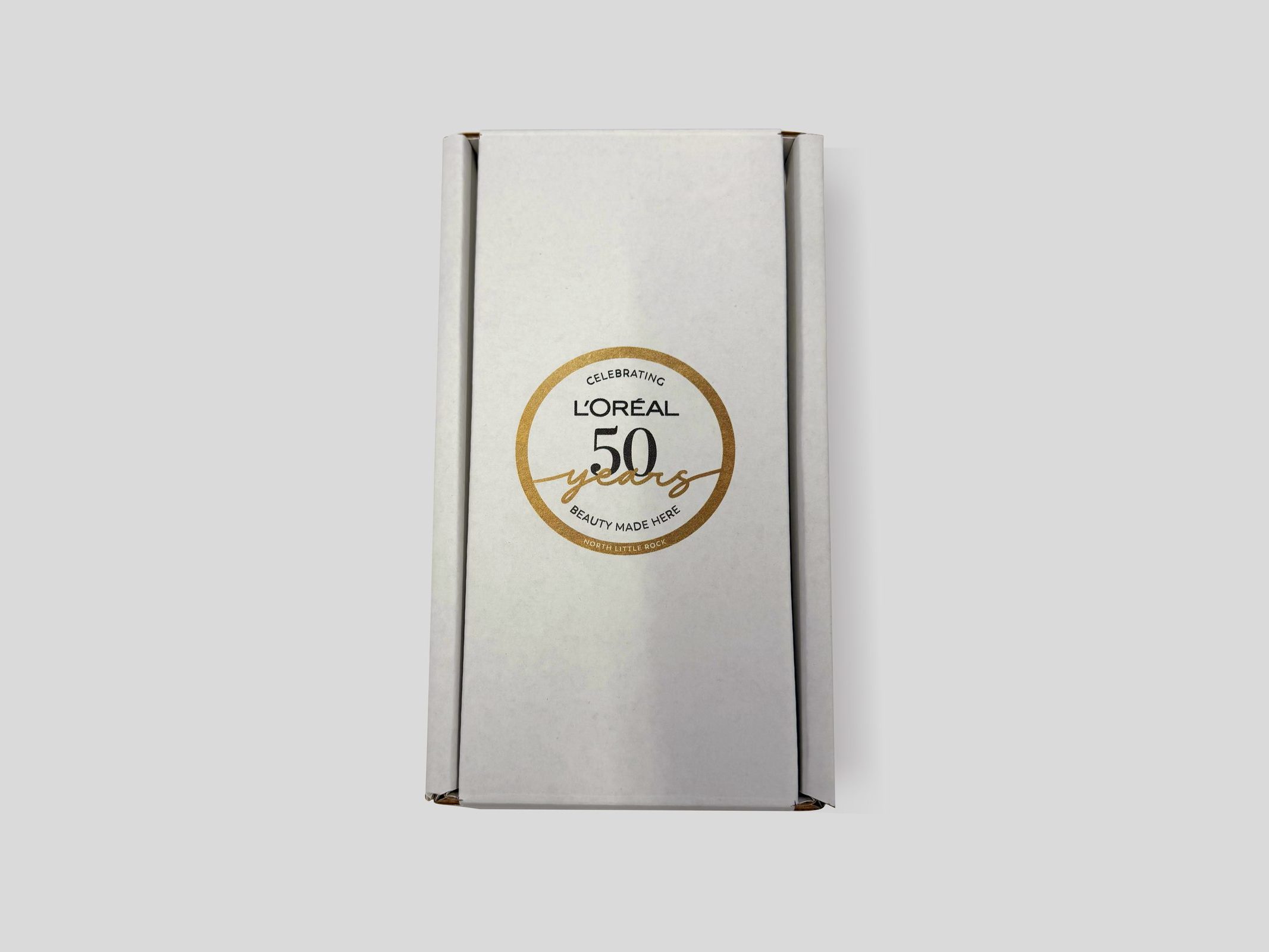
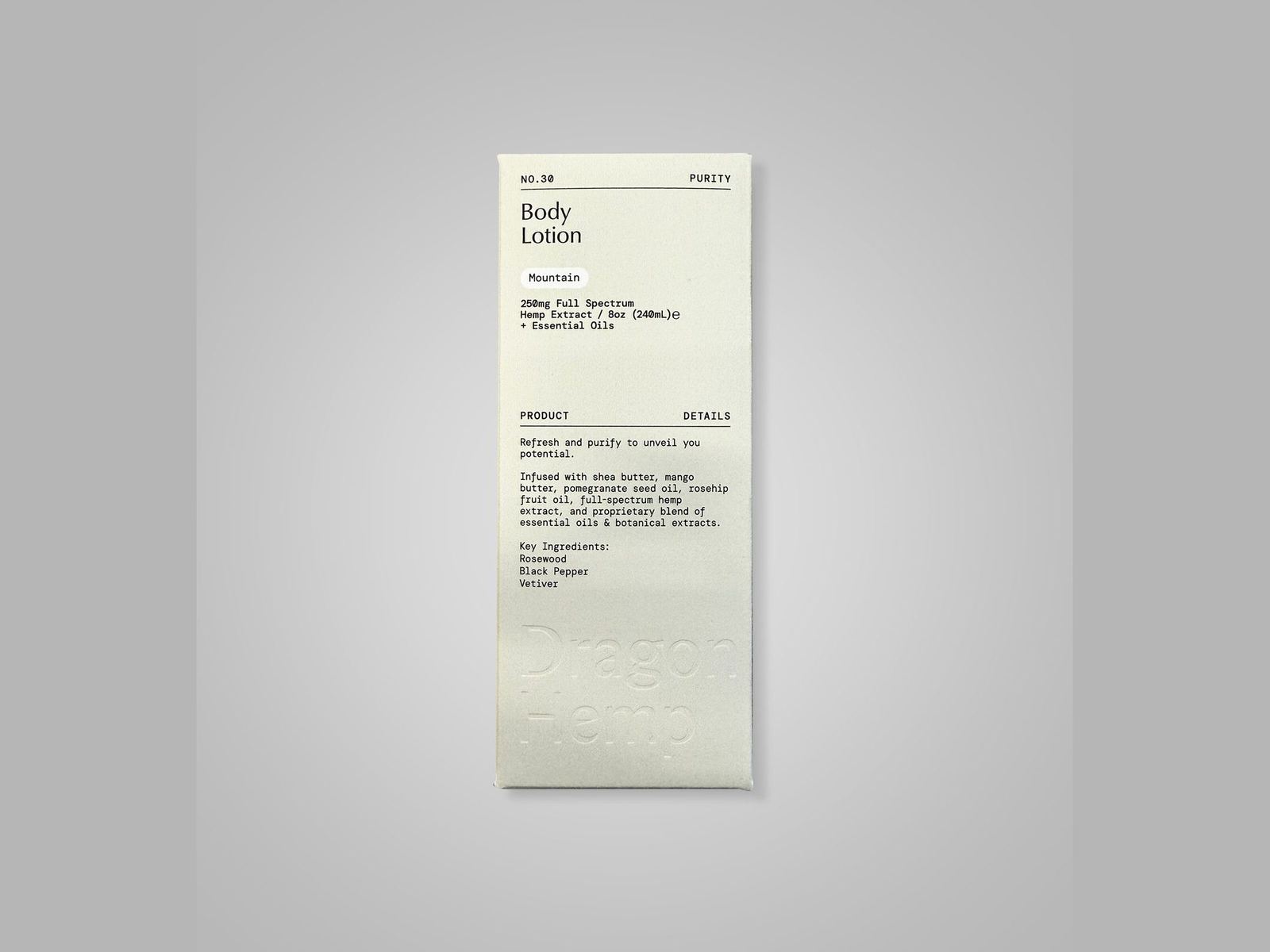
Corrugated Cardboard Boxes from VSL PackagingCorrugated Cardboard BoxesVolume corrugated programs held to one spec across a multi-SKU line.Product Boxes from VSL PackagingProduct BoxesSKU-level boxes that stay consistent from a first run through a reorder.Shopping Bags from VSL PackagingShopping BagsBranded carry programs run alongside the boxes, from the same artwork files.Black gloss rigid box with fitted insert and printed sleeve, John Wick × drift, by VSL PackagingRigid BoxesRigid boxes built for a premium or protective presentation on a commercial packaging line.Magenta paisley-print T-Mobile mailer box, closed and open, by VSL PackagingMailer BoxesPrinted mailer boxes sized for direct-to-business or direct-to-consumer shipments.White L'Oréal shipping box with gold 50th-anniversary print, closed, by VSL PackagingShipping BoxesCorrugated shipping boxes specced for the weight of a filled case.POP Displays from VSL PackagingPOP DisplaysPoint-of-purchase displays built to hold product and printed graphics on a retail floor.Tall white printed folding carton for a body lotion, by VSL PackagingFolding CartonsFolding cartons sized for individual products moving through a commercial packaging program.

Procurement teams don't shop for commercial packaging the way a single-SKU startup does. They're comparing lead times across three vendors, checking minimum order quantities against forecasted demand, and asking whether a supplier can hold a spec steady across a fifty-thousand-unit reorder six months from now. We build custom commercial packaging out of Manhattan's Garment District, which means the same team that quotes a job also engineers the dieline, specifies the print, and signs off on the finished carton — no broker in the middle translating your spec to an overseas plant and back.

That matters most for buyers evaluating the commercial packaging industry at scale: a single-source manufacturer can hold tolerances tighter, catch a print error before it ships, and turn a design revision around in days instead of a shipping cycle.

Volume Programs for Multi-SKU Commercial Packaging

Most commercial accounts we work with aren't ordering one box — they're managing a family of SKUs that share a die line, a color palette, or a closure style across a dozen product variants. We set up volume programs around that reality: consistent specs across a multi-SKU line, staggered releases so a warehouse isn't holding six months of inventory at once, and reorder terms that match a procurement cycle rather than a one-off print run. For bulk and wholesale accounts, we build corrugated boxes engineered for compression strength and moisture resistance, since a pallet load moving through a distribution network takes different abuse than a single parcel — and a program running at volume can't absorb a damage rate that eats the margin on every reorder. A regulated food packaging SKU and an industrial packaging case for machine parts get the same structural rigor here, even though what goes on the panel is worlds apart — and a consumer packaging account running both formats gets one spec sheet instead of two suppliers.

What to Look for in a Packaging Manufacturer

Not every packaging manufacturer can do more than print a logo on a stock box. The capability gap shows up when a spec changes mid-program — a new SKU, a dimension tweak, a substrate swap — and a vendor has to route the change through a separate design shop, a separate prototyping house, and a separate print run before anything ships. We keep prototyping, 3D visualization work, and structural design together, so a procurement team can hold a physical prototype before committing to a production run, and a revision doesn't add weeks to the timeline. That's the difference procurement teams notice fastest — not on the first order, but the third one, when a spec needs to move and the manufacturer either keeps up or becomes the bottleneck.

Comparing Product Packaging Companies on More Than Price

Price-per-unit is the easiest number to compare across product packaging companies and the least useful one on its own. A quote that looks lower on paper can hide a longer lead time, a higher minimum order quantity than your forecast supports, or a freight cost that only shows up after the first invoice. We quote commercial programs against the numbers that actually move a budget — total landed cost, reorder turnaround, and how much inventory a program forces a buyer to hold between runs. For accounts running multiple formats off one brand system, we also build branded shopping bags sized to match a box line, so a retail handoff and a shipped order carry the same look without a second vendor relationship to manage.

Where VSL Fits in the Commercial Packaging Industry

The commercial packaging industry runs at every scale, from global board mills to a single manufacturer's own floor. The largest national packaging manufacturers operate at an industrial scale most brands never deal with directly — board produced by the truckload for national accounts, plus the food packaging and consumer packaging volume that stocks big-box shelves. We're not that. VSL Packaging is a single-site manufacturer that competes on the opposite end: a procurement team that needs industrial packaging specced, prototyped, and produced without routing a design through three vendors and a broker. That's a different service model from a company selling commodity board off a price sheet, and it's why some accounts split their program — a national brand might run corrugated packaging through a mill-scale supplier for base volume while keeping a specialty SKU or a fast-turn reorder with us, where a tight schedule doesn't mean waiting weeks for a revision.

Packaging Solutions Built Around Procurement, Not Just Product

A lot of commercial accounts come to us after a bad experience with a company that sold packaging solutions on a slide deck and then disappeared once the purchase order was signed. We stay the point of contact from the first material sample through every reorder — one company, one set of dies, one phone number, whether the solution is a single SKU or a twelve-product line. Customers in this category usually don't need convincing that packaging matters; they need a supplier whose services don't evaporate the moment volume gets complicated. That's the whole pitch: fewer vendors, fewer handoffs, and packaging solutions that come with the same team that quoted them in the first place.

Compliance, Consistency, and Procurement

A commercial packaging program lives or dies on repeatability. Procurement doesn't just need a box that looks right once — it needs the two-hundredth carton off a reorder to match the first, with labeling and dimensions that clear the same compliance checks every time. We build product-line boxes and shipping cartons to hold spec across repeat runs, and we keep die lines and color proofs on file so a reorder eighteen months out doesn't drift from the original approval. For regulated categories, that consistency isn't a nice-to-have — it's what keeps a shipment moving instead of getting held at a distribution center over a labeling mismatch.

Commercial Packaging Industry: Common Questions

What counts as commercial packaging? Commercial packaging covers any packaging built for business use rather than a one-off consumer purchase — bulk and wholesale cartons, multi-SKU product lines, retail display packaging, and shipping formats built to move volume through a supply chain rather than a single order.

How is a commercial packaging manufacturer different from a packaging distributor? A manufacturer designs, prototypes, and produces the packaging itself; a distributor resells stock or brokers a production run through a separate plant. Working directly with a manufacturer usually means faster revisions, tighter spec control, and one point of contact instead of several.

Do you offer volume pricing for multi-SKU commercial programs? Yes. We structure volume programs around a forecasted order cadence rather than a single print run, so pricing and lead time reflect the full program — not just the first order.

How is VSL different from a mill-scale industrial packaging supplier? Scale and turnaround. National mill-scale suppliers are built for massive-volume, standardized industrial packaging runs. We're a single-site manufacturer built for a procurement team that needs a spec prototyped, revised, and produced fast — often a better fit for a specialty SKU, a private-label program, or an account that can't wait a full quarter for a mill slot to open up.

Whether you're sourcing a single commercial line or managing packaging across a multi-SKU portfolio, we prototype in Manhattan and produce to that spec, from first sample to full production run. It's how an independent shop stays relevant in a packaging industry increasingly dominated by mill-scale consolidation.
Considerations

What Commercial Packaging Has to Get Right

Lead Times and MinimumsProcurement compares lead times across vendors and checks minimum order quantities against forecasted demand.
Holding a Spec Across ReordersA supplier has to hold a spec steady across a fifty-thousand-unit reorder six months from now.
No Broker in the MiddleThe team that quotes the job engineers the dieline, specifies the print, and signs off on the finished carton.

Related Industries

CosmeticE-CommerceElectronicsFoodFootwearGiftAll 22 industries →

Package Your Commercial Line

Tell us the product, the channel, and the quantity — we'll map boxes, bags, and mailers to one program.

Get a Quote