Industry
Custom beauty packaging designed, modeled, and produced for cosmetic brands — rigid boxes for hero products, branded mailers for subscription programs, and luxury finishes that carry a line from the store shelf through the unboxing.
What This Industry Runs

A beauty product sells twice: once on a shelf or a screen, and again when the customer opens the box at home. Both moments run through the packaging, which is why we build custom beauty packaging as a manufacturer rather than a broker. The dieline, the print, the finishing, and the assembly all happen in New York City — so the person who can change a carton works beside the press that prints it, and a revision costs a conversation and a new sample instead of a shipping cycle.
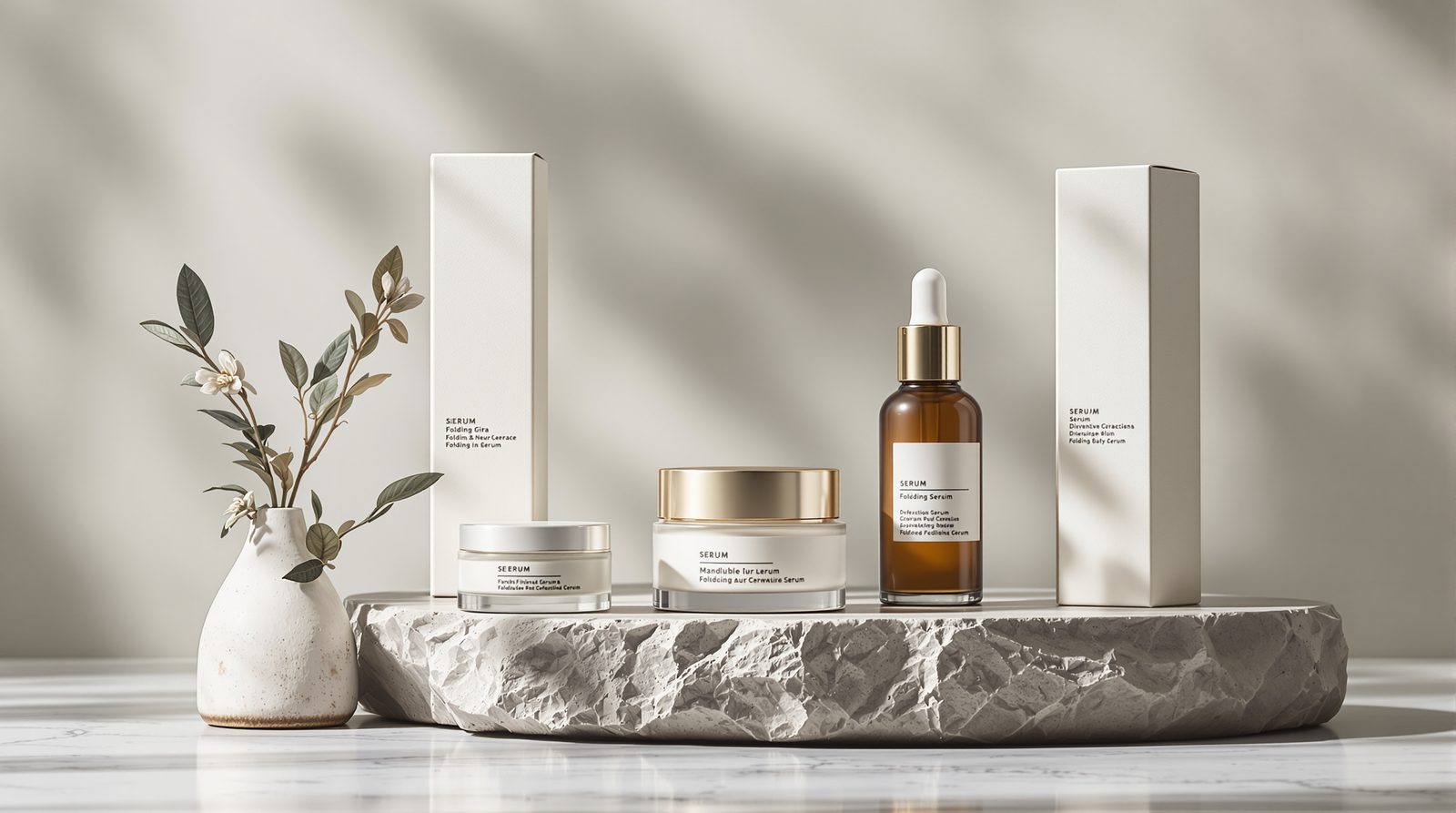
Beauty is a category where the container carries an unusual share of the product's story. A serum in a plain white box and the same serum in a fitted, foil-stamped carton are not the same purchase, and the difference shows up in price and in whether anyone photographs the delivery.
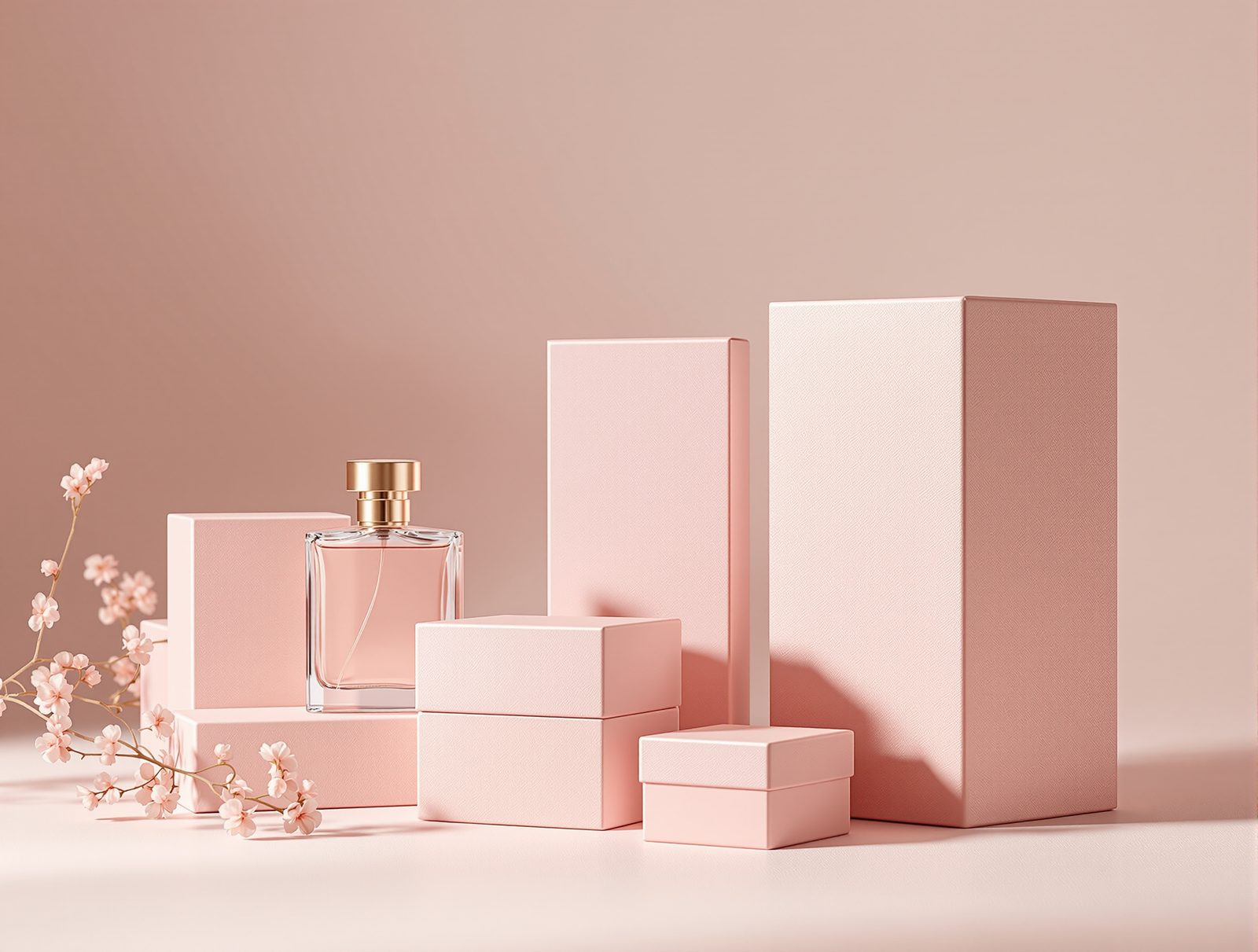
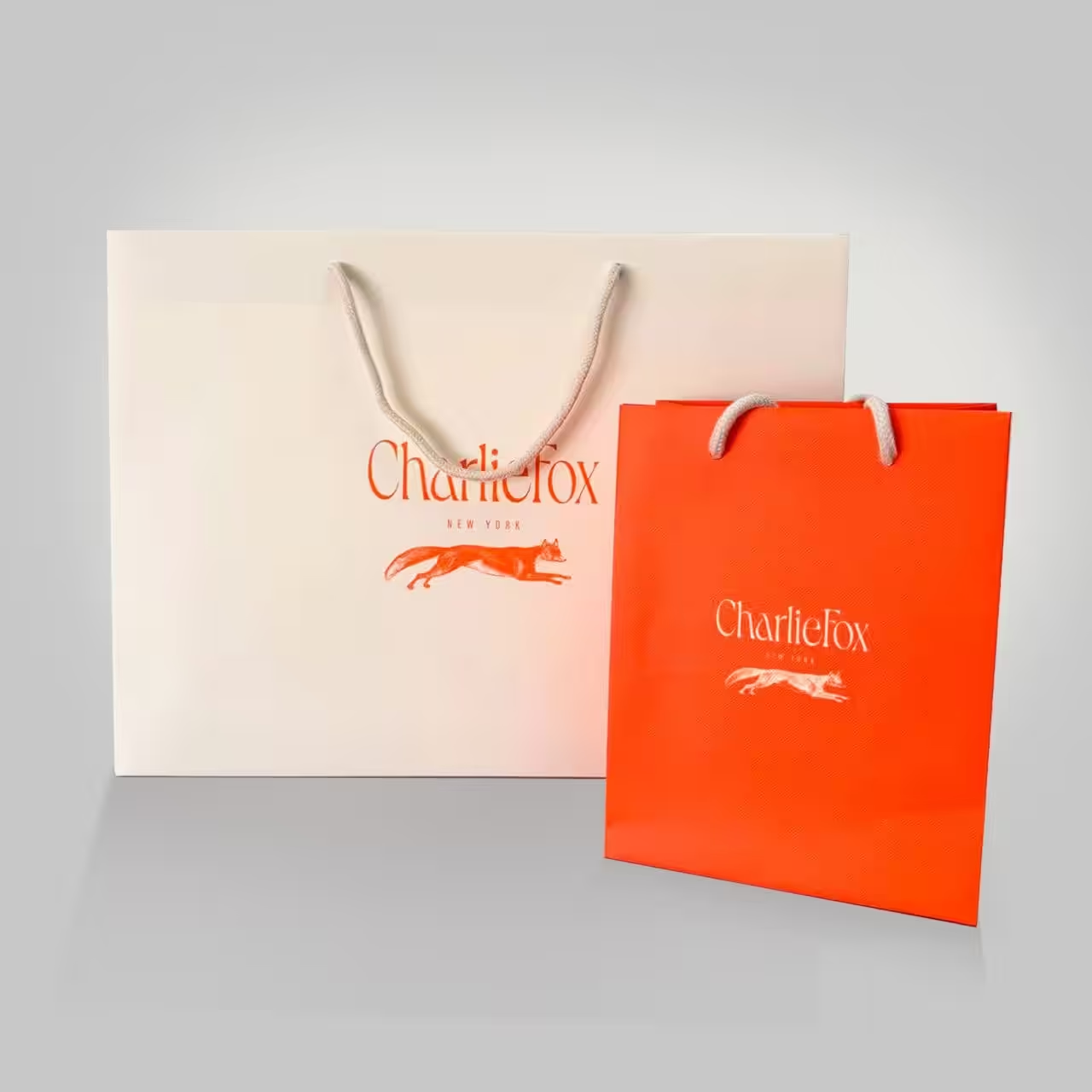
Custom color, logo placement, and structure are what make a line recognizable from three feet away in a store and from a thumbnail on a phone, in beauty or personal care alike. A brand running the same board stock, coating, and color proof across every SKU reads as one system; a brand buying stock boxes and applying labels reads as a series of separate decisions. The retail handoff counts too — printed shopping bags sized to the counter keep the in-store purchase looking like the rest of the line.
Beauty products are heavy for their size, frequently made of glass, and usually filled with something that stains. Fitted inserts hold a bottle or jar in a fixed position so it can't shift against a carton wall through a fulfillment center, and the right board weight keeps the outer box square under stack pressure. Damage here costs twice — the replacement unit, and the review that follows it.
Unboxing is a real part of how beauty brands get discovered, and it's structural rather than decorative: how the lid lifts, what the customer sees first, whether the product is presented or merely contained. Tissue, a printed belly band, or a tray that raises the product as the lid comes off adds very little per unit and changes the entire sequence.
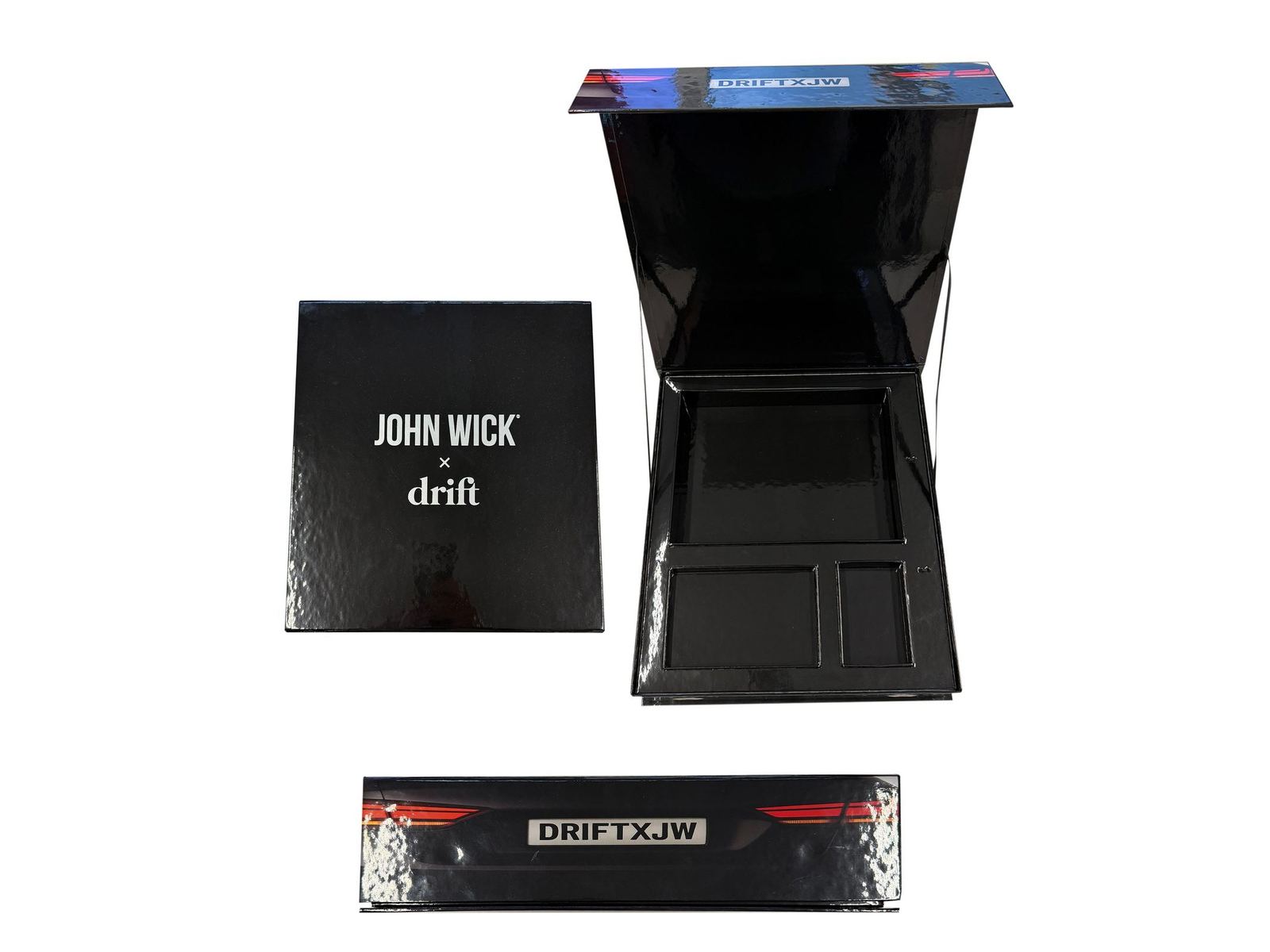
Most beauty lines aren't one packaging decision but two. The everyday catalog runs on printed cartons, and one or two hero SKUs earn a heavier build — a two-piece rigid box with a magnetic or friction-fit lid and enough wall thickness to feel substantial in the hand. We produce customized rigid boxes for hero products alongside everything else, so the flagship box and the catalog carton hold the same color and finish standard instead of drifting apart between two suppliers.
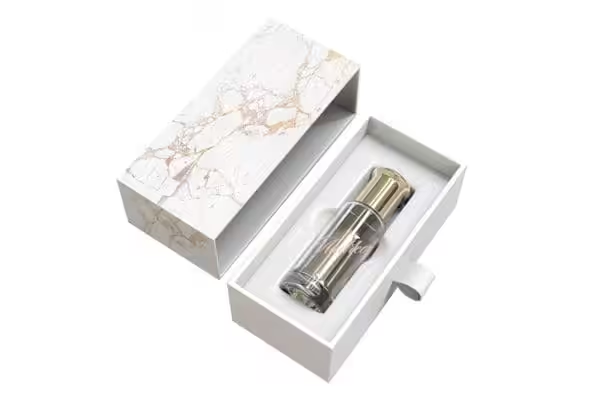
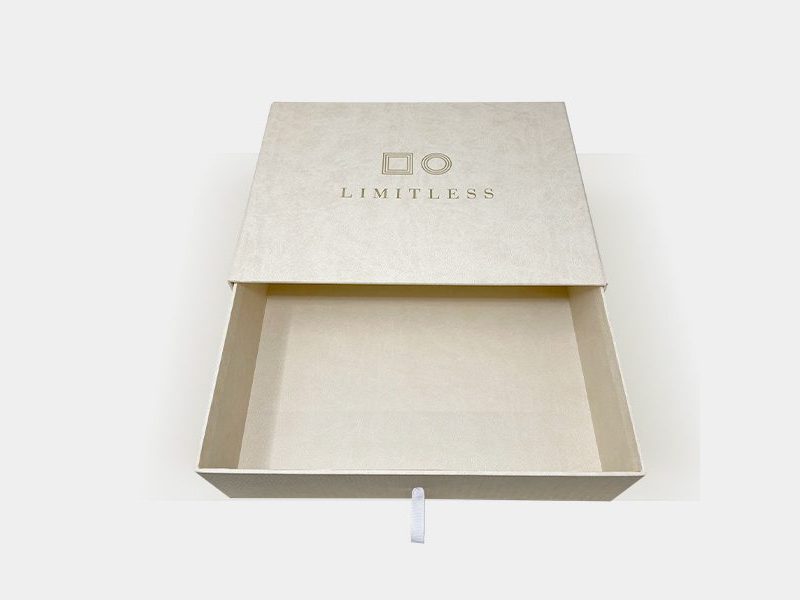
Sets and gift kits are a third build again. For related projects, we also produce slide-out boxes, where a tray pulls out of a printed sleeve and presents a multi-piece kit in a fixed arrangement rather than loose in a cavity — the format that suits a discovery set or a holiday kit. If your line runs mostly skincare, makeup, and fragrance SKUs, our custom cosmetic packaging page covers the carton side format by format.
The hardest part of beauty packaging is rarely the outer box — it's the fit between the primary container and the carton around it. A wide-mouth cream jar, a pump bottle, a squeeze tube, and a compact all load differently, and each wants a different cavity. We cut inserts from die-cut paperboard, foam, or molded pulp, sized to the actual silhouette of the container rather than to a stock cavity that's close enough.
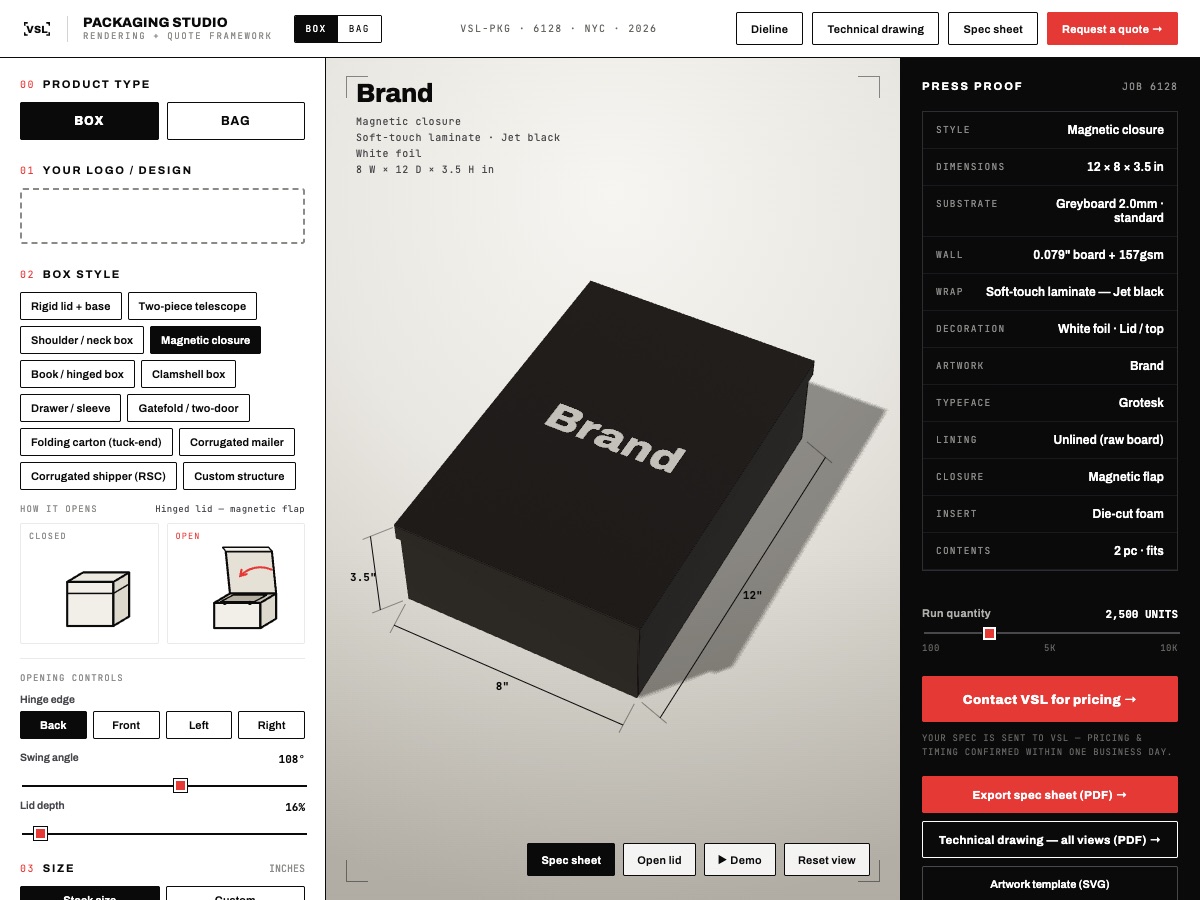
That fit gets proven physically before anything runs. We draw the dieline around your container, render it in 3D so you can judge proportion and color on screen, then cut a prototype you can load with the real jar and close. A rendering won't tell you a pump collar catches the lid on the way down; a prototype will, at the cost of a sample instead of a production run.
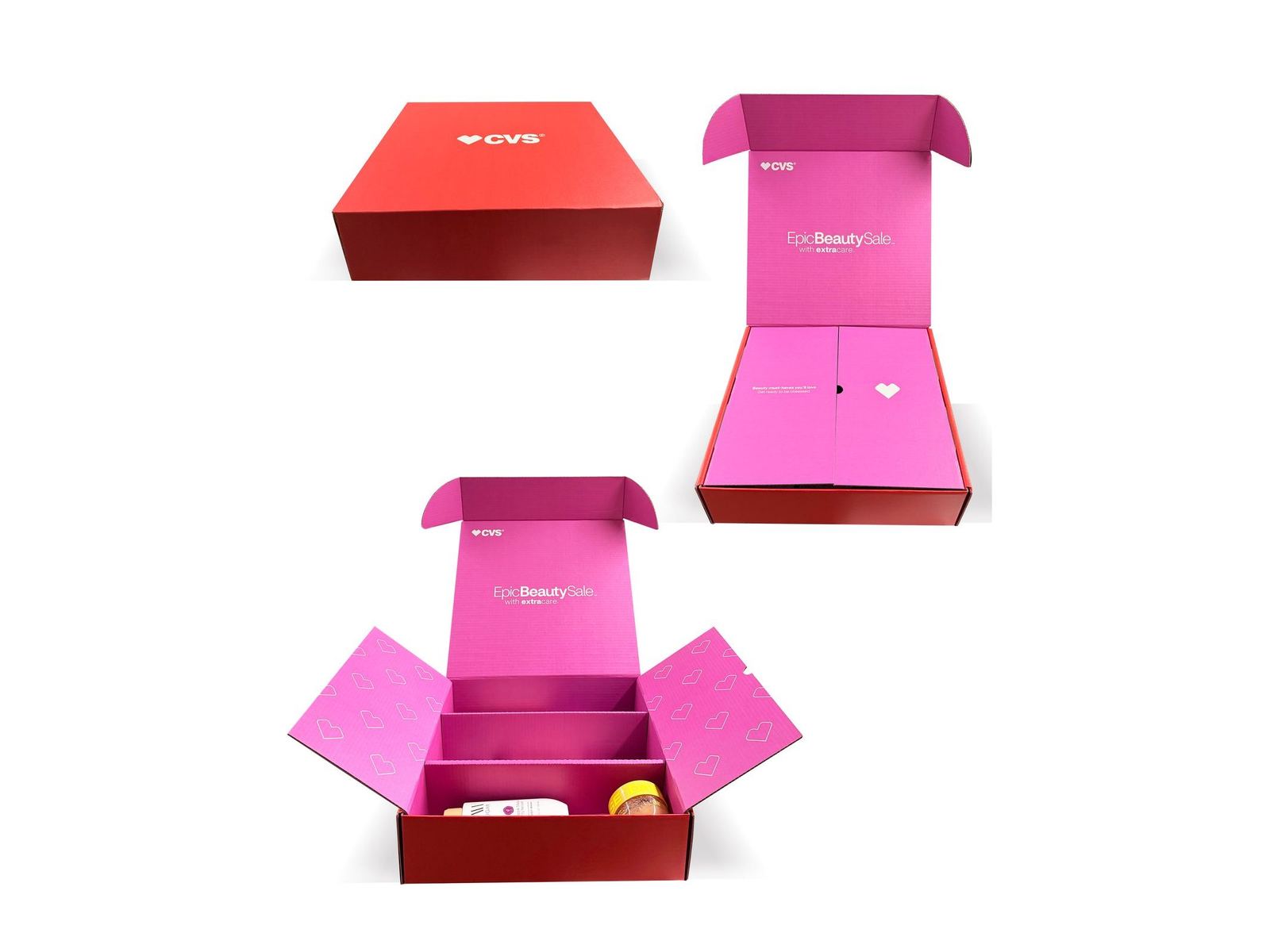
Direct-to-consumer beauty asks something extra of the box: it travels alone, with no outer carton protecting it, and it arrives as the brand's only physical touchpoint that week. Branded mailer boxes answer both halves — a corrugated build with a tuck closure that survives a parcel network, printed inside and out so the interior is part of the reveal rather than bare kraft.
Subscription programs add a rhythm problem: the same structure ships every month while the artwork changes. We hold the die between runs and print new panels against the same spec, so a program stays consistent in the hand while the design stays seasonal.
Finish is where a beauty brand signals its price tier before a customer reads a word. Foil stamping carries a logo in metallic without adding printed color. Embossing and debossing put the same mark into the board itself, so it registers by touch. Spot UV raises a gloss detail against a matte field — a botanical line drawing, a monogram — so the eye finds it under store lighting. Matte, gloss, and satin coatings set the base character of the surface, and soft-touch lamination adds texture where a coating alone won't carry it.
All of that runs through the same finishing program, which matters here: a soft-touch laminate over a rigid wall and the same laminate over a scored folding carton behave differently. Finishes get specified alongside the structure, not added afterward, and proofed before a production run commits.
Sustainability shows up in most beauty briefs now, usually as a material question and a right-sizing question at once. We run recycled and FSC-certified paperboard and corrugated stock, and can print with water-based inks on request, without asking a brand to trade durability for a lower footprint. The quieter win is dimensional: a carton cut to the actual product uses less board and less void fill than a stock size a half-inch too generous in every direction. Because design, print specification, and finishing all run through one team, a sustainable spec doesn't add a vendor or a shipping leg — it's the same line running different material inputs.
An indie skincare line launching four SKUs and a national brand reordering by the pallet are the same job at different scale, but only the second is easy to get quoted. We run low minimum order quantities so a small beauty brand can put a real custom box on a first production run instead of applying a sticker over the seam of a stock one.
The practical path is to prototype one carton properly, prove the fit and the finish, then extend the same dieline family across the line as SKUs get added — so a line assembled over two years still looks like it was designed at once. If you'd rather start hands-on, build the structure in the VSL Packaging Studio: pick material, style, size, and finish, and send the spec straight to our engineers.
Can you package jars, tubes, and bottles in the same program? Yes, and it's usually the better way to do it. One prototyping cycle lets us build each insert to its own container while holding a single board spec and color proof across the line, so the cartons still read as a set on a shelf.
What's the smallest run you'll produce? We scope minimums project by project rather than publishing one number, because a rigid box and a folding carton have very different tooling economics. The point of low minimums is that a first run should be a real custom box, not a stock box with a label on it.
How do I keep color consistent as I add SKUs? We hold the color proof and the die between runs, so a SKU added a year later prints against the same approved proof on the same line.
Whether you're launching a first serum or re-speccing a full line, we take beauty packaging from dieline to production run in one process.
Considerations
Guides for This Industry
Related Industries
Tell us the product, the channel, and the quantity — we'll map boxes, bags, and mailers to one program.