
Boxes
Custom Folding Cartons
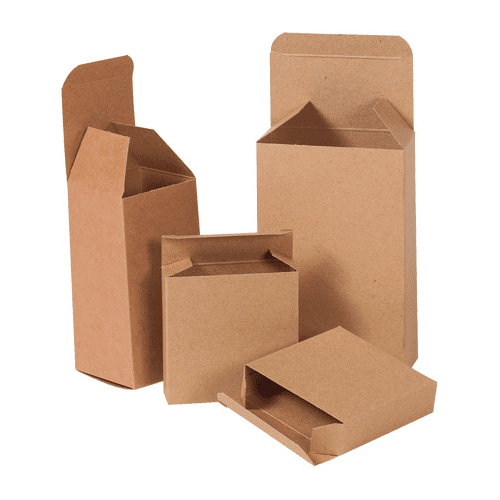
A single sheet of scored paperboard that ships flat, folds into shape on the pack-out line, and still carries full-coverage print on every panel — designed, printed, and assembled in New York City by one team from dieline to finished carton.
Board Grades
SBS, coated recycled, and kraft-back, all FSC-certified
Printing
Offset litho for full-color coverage
Finishing
Foil stamping, embossing, debossing, spot UV
Prototyping
A physical sample before production tooling is cut
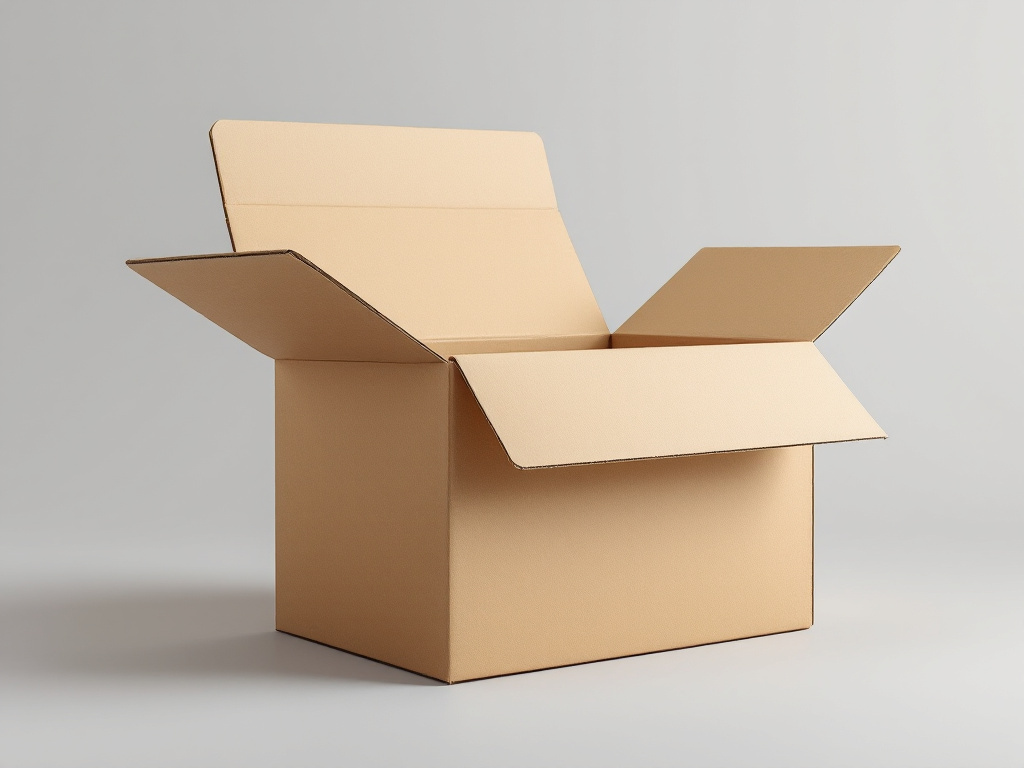
Folding cartons are the workhorse of retail packaging — a single sheet of scored paperboard that ships flat, folds into a finished box on the pack-out line, and still carries full-coverage print on every panel. We design, print, and assemble custom folding cartons in New York City, which means the same team that draws your dieline is specifying your press sheet and signing off on your glued cartons — no broker, no lost week in transit between vendors.
Folding Carton Styles We Build
Carton style is a structural decision as much as a design one, and the right style depends on how the product loads, how the carton folds, and how it opens at retail:
- Straight tuck end (STE) — flaps tuck in the same direction top and bottom, the simplest and fastest style to assemble by hand or on an auto-loader
- Reverse tuck end (RTE) — top and bottom flaps tuck in opposite directions, which resists accidental opening in transit and reads as slightly more premium at shelf
- Crash-lock bottom — a pre-glued base that pops into a locked flat floor with one motion, common on heavier or bulkier cartons that need a stronger bottom than a tuck flap provides
- Seal-end — flaps are glued closed rather than tucked, giving a tamper-evident seam that's standard on anything regulated or age-restricted
We prototype the style against your actual product before committing to a production dieline, since a carton that looks right on screen doesn't always load or seal the way you expect on the first physical sample.
Paperboard Cartons: Board Grades and Printing
Board selection drives both cost and shelf performance. We run solid bleached sulfate (SBS) for a bright, high-graphic white surface; coated recycled board (CRB) for brands prioritizing recycled content at a lower price point; and kraft-back stock where a visible brown liner fits the brand's natural or eco positioning. All of it is FSC-certified, and we print offset litho for full-color coverage, with foil stamping, embossing, and debossing available for logo and brand-mark detail. Where a design calls for a glossy highlight against a matte field, we run spot UV directly over the printed sheet rather than sending it out to a separate finishing house, which keeps registration tight and turnaround short.
Eco-Friendly Folding Carton Solutions and Carton Design
Not every folding cartons manufacturer treats sustainability and design as one conversation, but for us they're the same decision made twice — once for the board, once for the dieline. Our eco-friendly board options include FSC-certified stock across every grade we run, coated recycled board for brands that want visible recycled content, and kraft-back stock for a natural look — all of it recyclable once the unboxing moment ends. That's the raw-material half of carton packaging; folding carton design is the other half, and it's where structural engineering meets brand strategy. A folding carton design has to solve for shelf presence, print real estate, and closure security at the same time it has to survive being folded, filled, and closed on a packing line, and we treat carton design as part of the same conversation as board selection rather than an afterthought bolted on at the end.
Folding carton solutions built this way scale from a single SKU to a full product-line rollout without changing vendors mid-program. We cover structural design, prepress, offset litho printing, die-cutting, gluing, and finishing as one New York City team, so a program that starts as a sustainability brief doesn't lose momentum waiting on a separate vendor to catch up.
What to Look for in Folding Carton Suppliers and Manufacturers
Not every folding cartons manufacturer runs the same shop. A lot of "custom" packaging gets brokered — a sales office takes the order, a converter three states away prints it, and a separate bindery handles the finishing, with your revision requests routed through all three. We do design, prepress, printing, die-cutting, and gluing as one New York City team, so a size change or a color correction doesn't add a week and a shipping leg. Ask any folding cartons manufacturer you're evaluating who actually holds the dieline and who's turning the press — the answer tells you how fast they can move when your launch date doesn't. We build a physical prototype for every new carton program before production tooling gets cut, so you're checking fold lines and closure feel on an actual sample, not a rendering.
Folding Carton Services We Run in New York City
Plenty of folding carton companies quote the print and treat everything around it as someone else's job. Our folding carton services cover the whole chain in New York City: structural design and dieline work, prepress and proofing, offset litho printing, die-cutting, and gluing, plus the finishing steps — foil, embossing, debossing, spot UV — that usually trigger a handoff elsewhere.
That matters most in two places. The first is revision: when a carton comes back a sixteenth of an inch tight, or a Pantone reads cool against the physical sample, the fix happens internally instead of in an email thread between three vendors. The second is repeat work. Once a dieline is proven and the tooling exists, wholesale folding cartons reorder against a known spec, so the second run is a press booking rather than a fresh engineering exercise.
If you already have a dieline from a previous supplier, send it — we'll check it against the board and closure you're specifying before quoting rather than after.
Industries We Package For
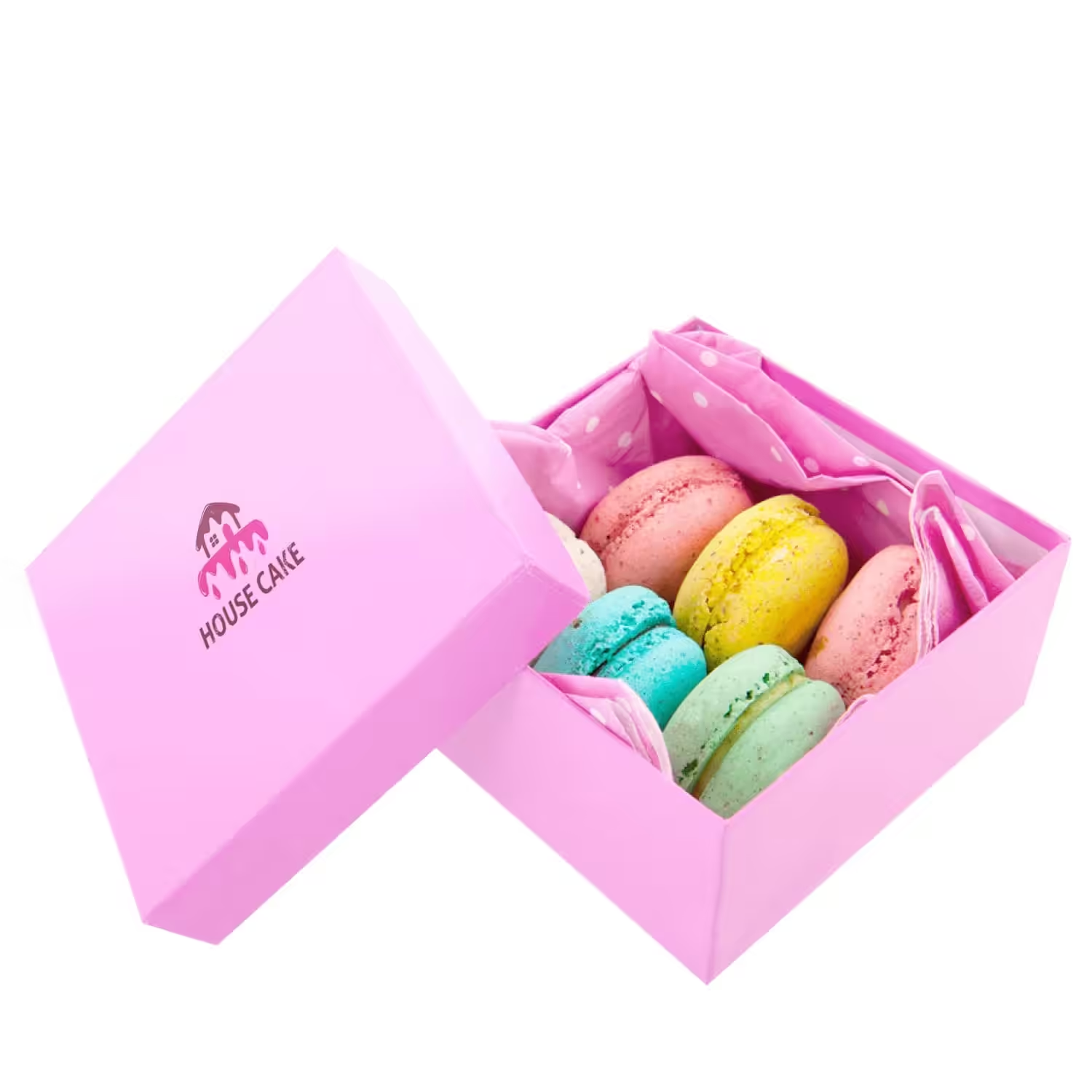
Folding cartons show up wherever a brand needs shelf-ready print at a reasonable unit cost for consumer products. Our cosmetics packaging clients favor reverse tuck and seal-end styles with foil-stamped detail for prestige lines, and straight tuck for everyday SKUs where margin matters more than embellishment. On the food packaging side, we run FDA-compliant board and grease-resistant coatings for anything that touches product directly, from bakery cartons to single-serve snack boxes. Pharma-adjacent categories — supplements, tinctures, topicals — lean on us for nutraceutical packaging with tamper-evident seal-end construction and enough flat panel space for supplement-facts labeling and lot coding. Across all three, the carton itself stays the same basic format; what changes is the board grade, the closure, and how much regulatory copy the panel layout has to accommodate.
Folding Cartons FAQs
What's the difference between a straight tuck and a reverse tuck carton? A straight tuck end (STE) has both flaps tucking in the same direction, which is fast to assemble and works for most standard products. A reverse tuck end (RTE) has the top and bottom flaps tucking in opposite directions, which adds a small amount of resistance against accidental opening and is the more common choice for retail shelf presentation.
Are folding cartons recyclable? Yes. We run FSC-certified paperboard along with recycled and kraft stock options, and a finished folding carton — printed, foil-stamped, or laminated — is still curbside recyclable in most municipal paper streams as long as it isn't laminated to foil or plastic film.
What's a typical minimum order quantity for custom folding cartons? It depends on carton size, board grade, and finishing, since press setup is the main fixed cost. Folding cartons generally run lower minimums than rigid boxes because there's no separate wrap step — tell us your dimensions and target quantity and we'll quote a minimum specific to the run.
Every folding carton on this page is designed, printed, and assembled in New York City — one team from dieline to finished carton. Call 1.646.843.0800, visit our office at 239 West 29th Street, Ground Floor, New York, NY 10001, or email sales@vslpackaging.com with your carton size, board preference, and target quantity, and we'll scope a run.
Constructions & Use Cases
Ways We Build This Format

Price Your Run
Product dimensions, quantity, and any finish ideas — we will quote structure, material, and print.