VSL Packaging — NYC custom packaging company

Industry

Custom Cosmetic Packaging

Custom cosmetic packaging for skincare, makeup, and fragrance, engineered in Manhattan's Garment District — carton, insert, and finish specified together instead of sourced piecemeal from three vendors.

Custom cosmetic packaging by VSL Packaging

What This Industry Runs

The Formats Cosmetic Brands Order

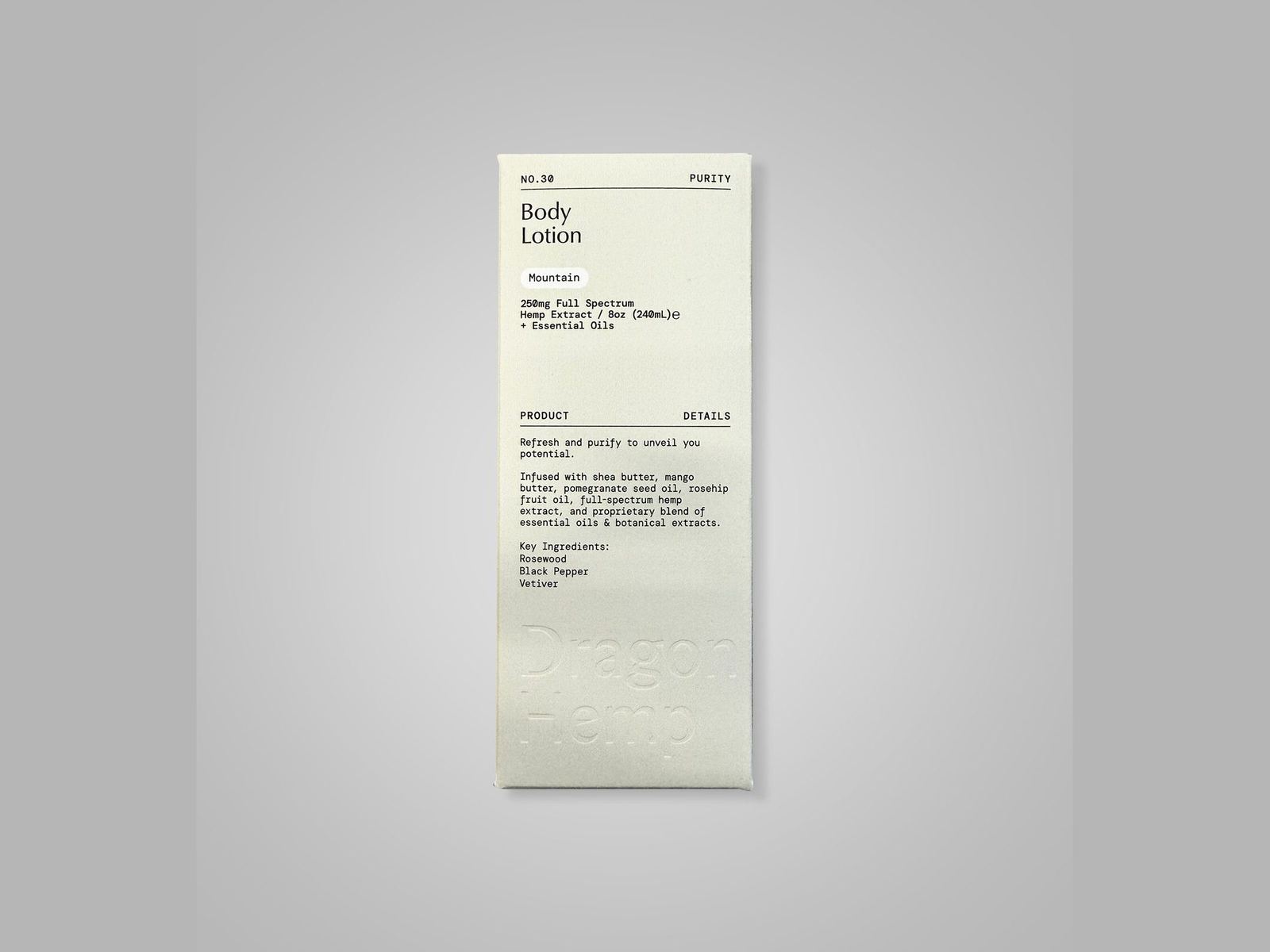
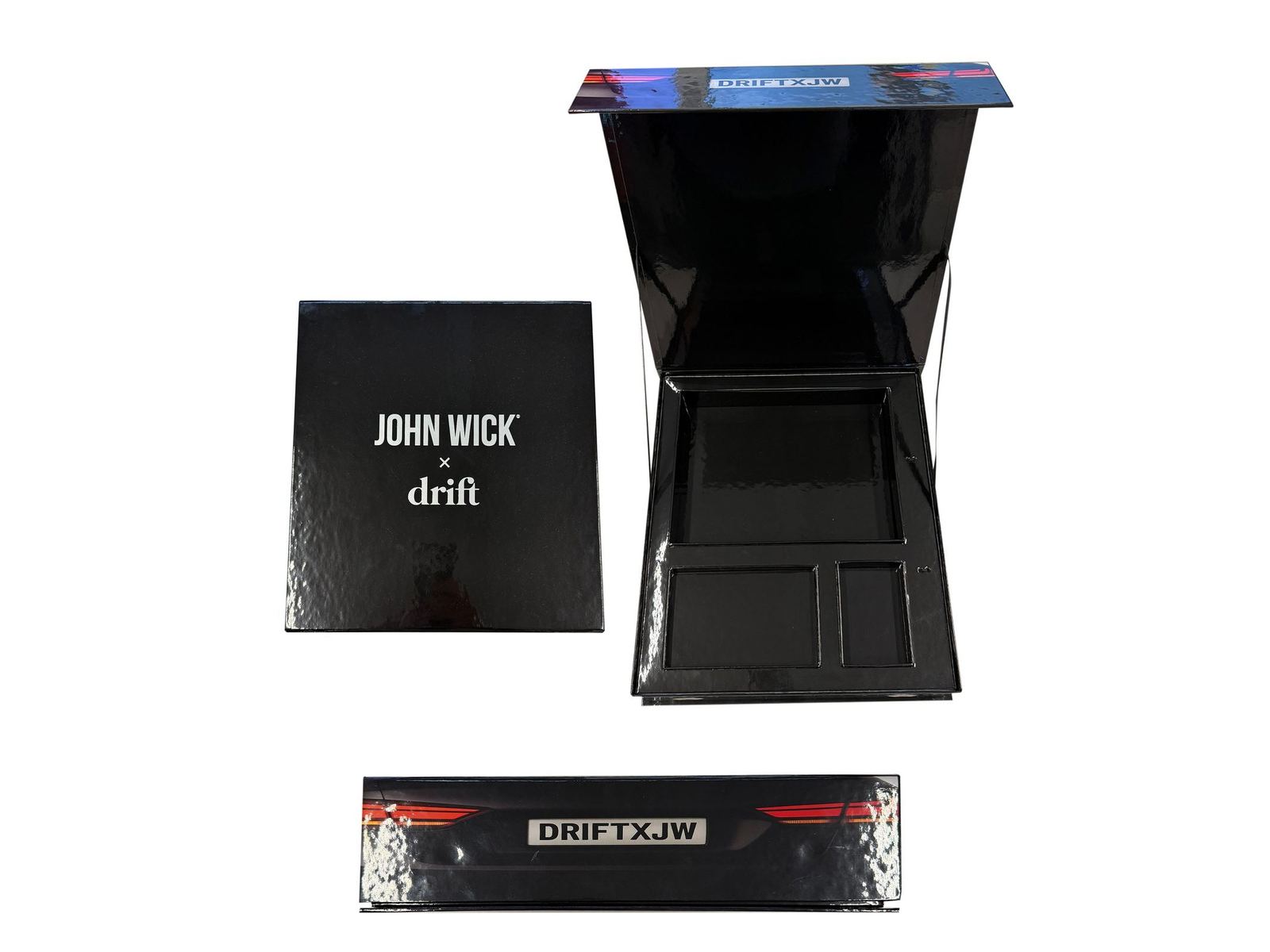
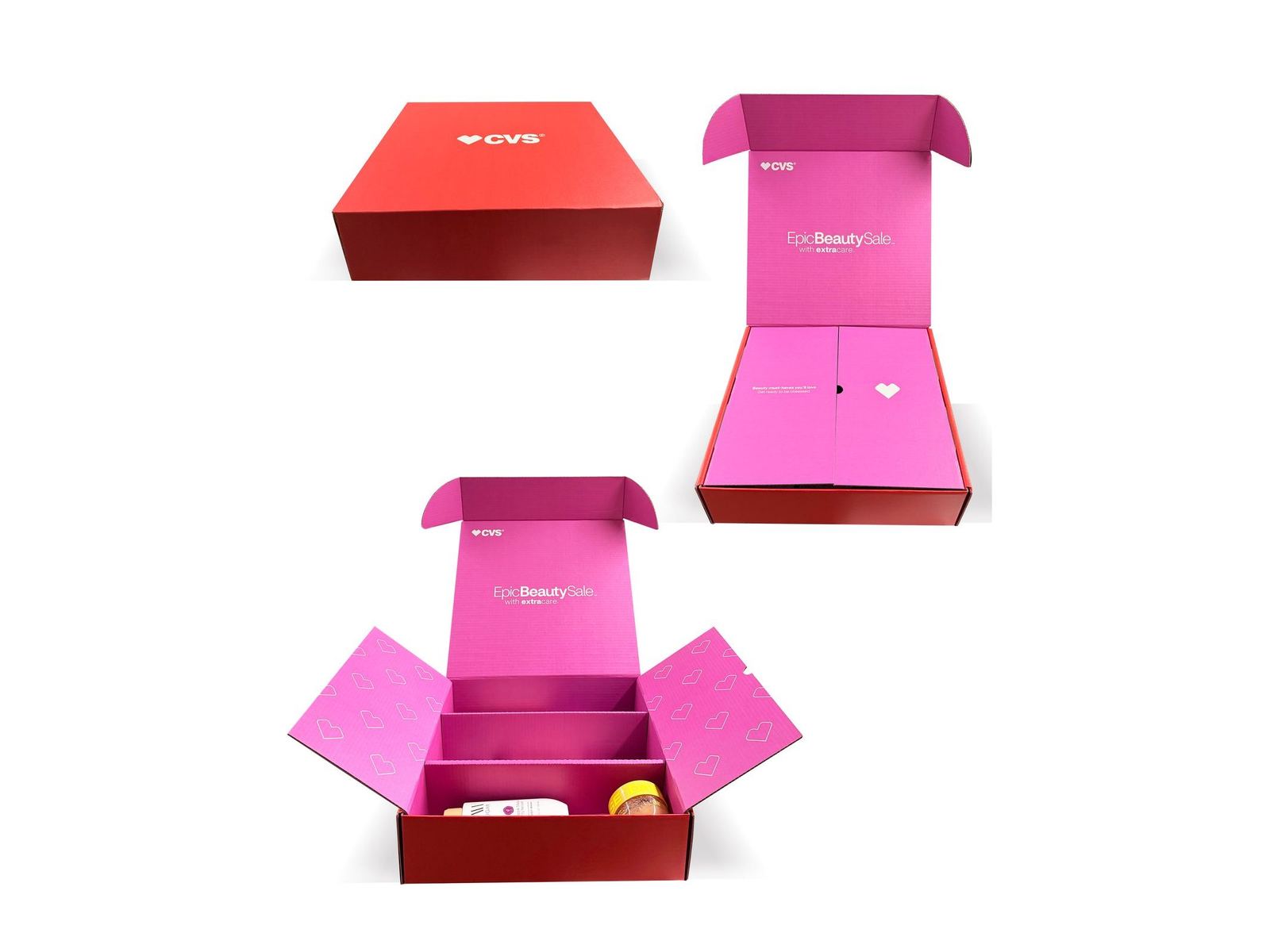
Tall white printed folding carton for a body lotion, by VSL PackagingFolding CartonsThe volume format for skincare and makeup SKUs across a full line.Black gloss rigid box with fitted insert and printed sleeve, John Wick × drift, by VSL PackagingRigid BoxesRigid construction for the hero SKUs that set the shelf tier.Red and pink CVS Epic Beauty Sale mailer boxes, closed and open, by VSL PackagingMailer BoxesDTC shipping that has to survive a fulfillment center and still open well.

A lipstick and a body-wash refill don't compete on the same shelf, and they shouldn't compete for the same box. We engineer custom cosmetic packaging in Manhattan's Garment District, which means the carton, the insert, and the finish get specified together instead of sourced piecemeal from three vendors. For a beauty brand, that's the difference between packaging that photographs well once and packaging that survives a fulfillment center, a retail planogram, and a customer's bathroom shelf. We work across the full range of cosmetic products — skincare, makeup, fragrance, and everything adjacent — and the same discipline carries over when a brand calls it beauty packaging instead.

Skincare packaging, makeup, and fragrance formats

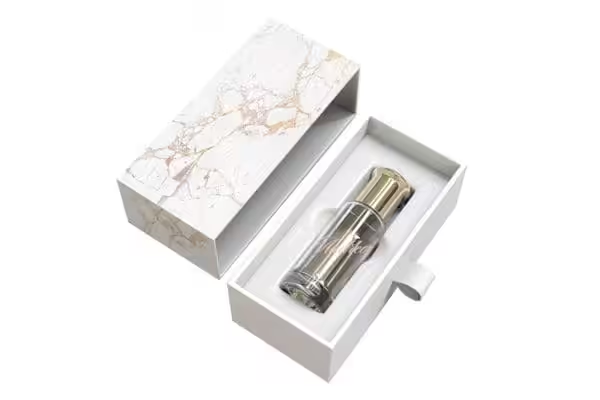
Skincare packaging carries the most weight of the three, because skincare tends to live in jars and pump bottles — an outer carton with a snug internal fit, printed dosage and usage cues, and enough structural rigidity to protect glass in transit. Plenty of those bottles already arrive silk-screen printed directly on the glass, and we build the carton to complement that decoration rather than compete with it — matching color and finish instead of duplicating the branding. Makeup runs the other direction: compacts, palettes, and stick formats need packaging with tighter tolerances and windows or trays that hold multiple SKUs in a fixed layout. Fragrance sits between the two, usually the highest unit value in a beauty line and the format most likely to need a rigid box rather than a carton. We prototype each of these in-house before a production run starts — working from physical samples, not just renderings — so a brand can hold the box, test the closure, and catch a fit problem before it becomes a reorder.

Custom cosmetic boxes: folding cartons and rigid boxes for hero SKUs

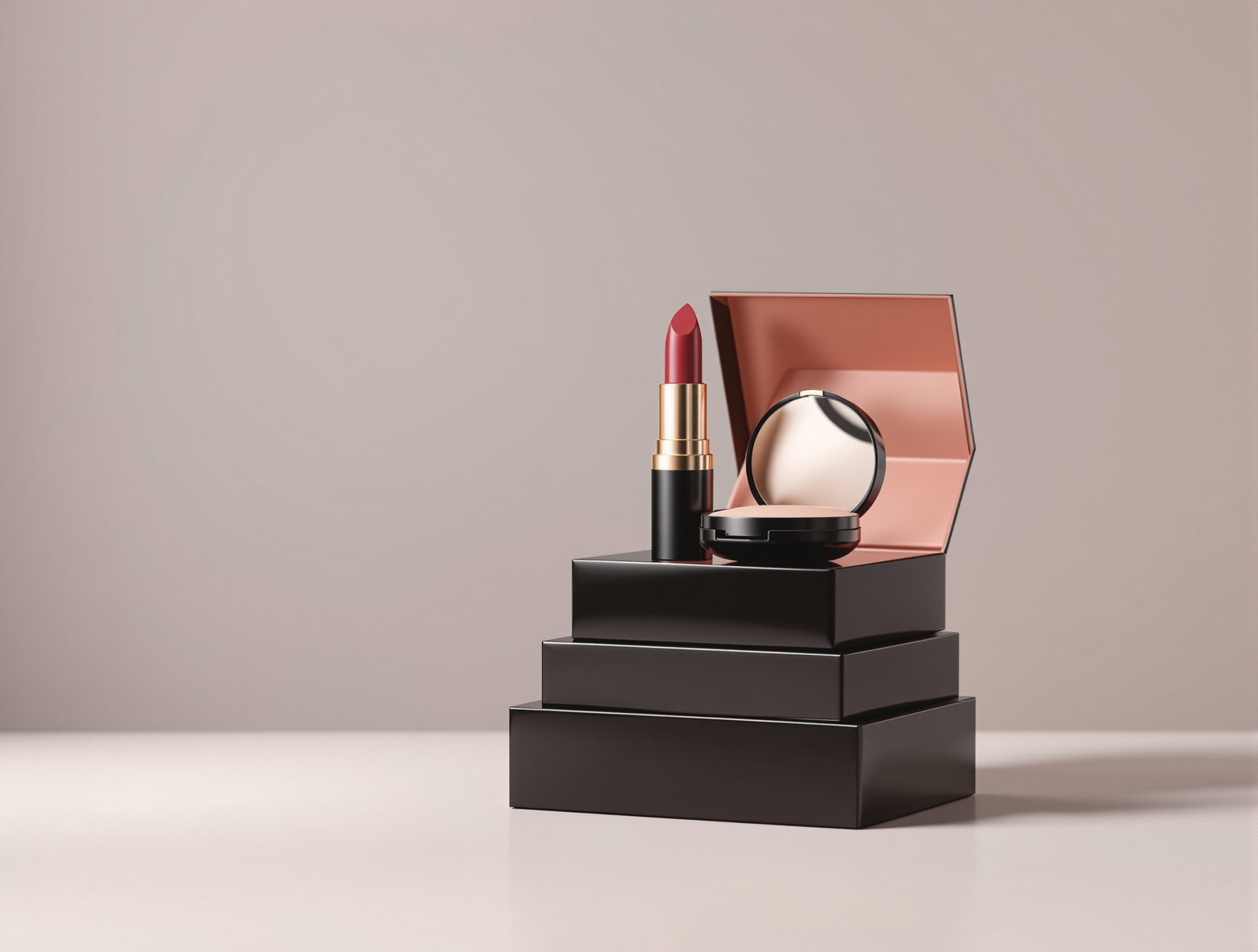
Most of a cosmetics line runs on folding cartons — efficient to print, fold, and ship flat, and the right call for everyday SKUs where margin matters. Hero products are a different decision. A flagship serum, a limited-edition fragrance, or a gifting set earns its own tier: a two-piece rigid box with a magnetic or friction-fit lid, a deliberate lid-lift moment, and enough wall thickness to feel substantial in hand. You'll find that same weight and finish quality in our rigid boxes, built to the same tolerances whether the run is a thousand units or a hundred thousand. The practical move for most brands is a hybrid line: folding cartons for the core catalog, rigid for the two or three items that carry the brand story. Designing custom cosmetic packaging this way is easier with one packaging supplier across the whole line rather than one for the hero cosmetic boxes and another for the catalog.

Inserts that keep formulas from moving

Glass and impact don't mix, and a cosmetics box that looks perfect in a photo but lets a bottle rattle around in transit is a packaging failure, not a design win. We build fitted inserts — die-cut paperboard, foam, or molded pulp — sized to the exact silhouette of the jar, tube, or bottle inside. Beyond damage prevention, inserts do double duty for gift sets and subscription boxes, holding multiple items in a fixed arrangement so the unboxing sequence is intentional rather than accidental.

Finish language that signals shelf tier

Finish is where a cosmetics brand tells a customer what price point they're looking at before they read a single word. Soft-touch coating reads as quiet luxury — it changes how the box feels in the hand, not just how it looks. Foil stamping — sometimes called hot stamping, for the heat-and-pressure process behind it — carries logo and edge details in copper, gold, or matte black without adding printed color. And for brands that want texture without a full-coverage coating, spot UV raises a gloss detail against a matte field — a logo, a botanical line drawing, a pattern — so the eye finds it under store lighting. None of these are decorative afterthoughts; they're specified at the same time as the box structure, because a soft-touch laminate and a rigid box wall need to be engineered together to avoid cracking at the score lines.

Regulatory label space, planned in from the start

Cosmetics packaging carries real regulatory weight: ingredient lists, net weight, manufacturer information, batch codes, and often a period-after-opening symbol, all of which need dedicated, legible space on a panel that's usually smaller than the brand would like. We build that label real estate into the dieline at the design stage rather than shrinking artwork to fit after the fact — it's a structural decision, not a printing afterthought, and it's a lot cheaper to solve before plates are cut.

DTC versus retail: two different jobs

A box designed to survive a parcel carrier and a box designed to win a shelf are not the same brief. Direct-to-consumer packaging has to double as a shipper — cosmetics brands selling online often ship in custom mailer boxes that combine branding with drop-test durability, since the box is also the unboxing moment. Retail packaging is judged standing up, under fluorescent light, next to a competitor's SKU, so facing panel design, shelf footprint, and case-pack efficiency matter more than shipping resilience. Brands selling both channels usually need two packaging specs for the same product — not because it's more expensive, but because the two jobs are genuinely different.

Eco Friendly Cosmetics Packaging Materials

Sustainability questions come up on nearly every cosmetic packaging brief now. We run recycled and FSC-certified paperboard, offer water-based inks on request, and provide the same finish quality on eco-friendly cosmetics packaging as we do on a standard spec — no compromise on hand-feel or print detail. Right-sizing does the rest: a carton cut to the actual product uses less material and less void fill than a stock size padded out at the end of the design process.

Cosmetic packaging for small business and indie beauty brands

An indie skincare line launching four SKUs and a national brand reordering a hundred thousand cartons are the same job at different scale, but most suppliers only quote the second one. We run low minimum order quantities on folding cartons and rigid work specifically so a small brand can put a real custom box on a first production run instead of buying stock boxes and applying a sticker. That matters more in beauty than in most categories, because a cosmetics customer is buying into a brand's taste, and a generic carton with a label on it says something about the product before the formula gets a chance to.

The practical path for a smaller brand is usually to prototype one carton properly, prove the fit and the finish, and then extend the same dieline family across the line as SKUs get added. Because we hold the print and finish standard ourselves, the second and third SKUs run against the same board spec and color proof as the first, so a line that grew over two years still looks like it was designed at once. Cosmetic packaging for small business doesn't have to mean compromised packaging — it usually just means sequencing the spend.

Custom Cosmetic Packaging FAQs

Do I need rigid boxes for my whole line, or just some products? Most cosmetics brands don't. Rigid boxes make sense for hero SKUs, gift sets, and fragrance, where the unboxing experience justifies the added cost and lead time. Everyday catalog items typically run more efficiently on folding cartons without sacrificing shelf presence.

How much label space do I need to leave for compliance? It depends on the formula and where you're selling, but ingredient lists, net weight, manufacturer details, and batch coding all need dedicated, legible space. We map that panel during the dieline stage so the regulatory copy isn't squeezed in after the artwork is finalized.

Can the same box work for both retail and e-commerce? Sometimes, but usually not without compromise. A box built to survive parcel shipping tends to be overbuilt for a shelf, and a box built for shelf presence often isn't tested for drop and crush. If you're selling both channels at volume, it's worth speccing packaging for each.
Considerations

What Cosmetic Packaging Has to Get Right

Regulatory Label SpacePanel space for required copy is planned in from the start rather than squeezed around artwork at the end.
Inserts That Hold the FormulaInserts keep bottles, tubes, and compacts from moving between our dock and a customer's bathroom shelf.
DTC Versus RetailA fulfillment center and a retail planogram ask two different jobs of the same carton.

Related Industries

E-CommerceElectronicsFoodFootwearGiftHealthAll 22 industries →

Package Your Cosmetic Line

Tell us the product, the channel, and the quantity — we'll map boxes, bags, and mailers to one program.

Get a Quote