Industry
Pet care packaging built in New York, engineered around what's actually going inside it — a multi-pound kibble bag needs a different seal and board spec than a squeak toy, and a subscription box has to survive a delivery van in a way a shelf display never does.
What This Industry Runs

Dog treats, wet food pouches, grooming wipes, and squeaky toys don't share a supply chain, a shelf life, or a shipping profile — yet plenty of pet brands end up sourcing packaging for all of them off the same generic template. We build pet care packaging in New York, engineering the box, bag, or pouch around what's actually going inside it: a multi-pound kibble bag needs a different seal and board spec than a squeak toy, and a subscription box has to survive a delivery van in a way a shelf display never does. Prototyping, printing, and finishing all run through the same team, which is what keeps packaging performing the same way at unit one and unit ten thousand — pet care packaging solutions built around the product, not a shelf's worth of near-identical stock boxes.
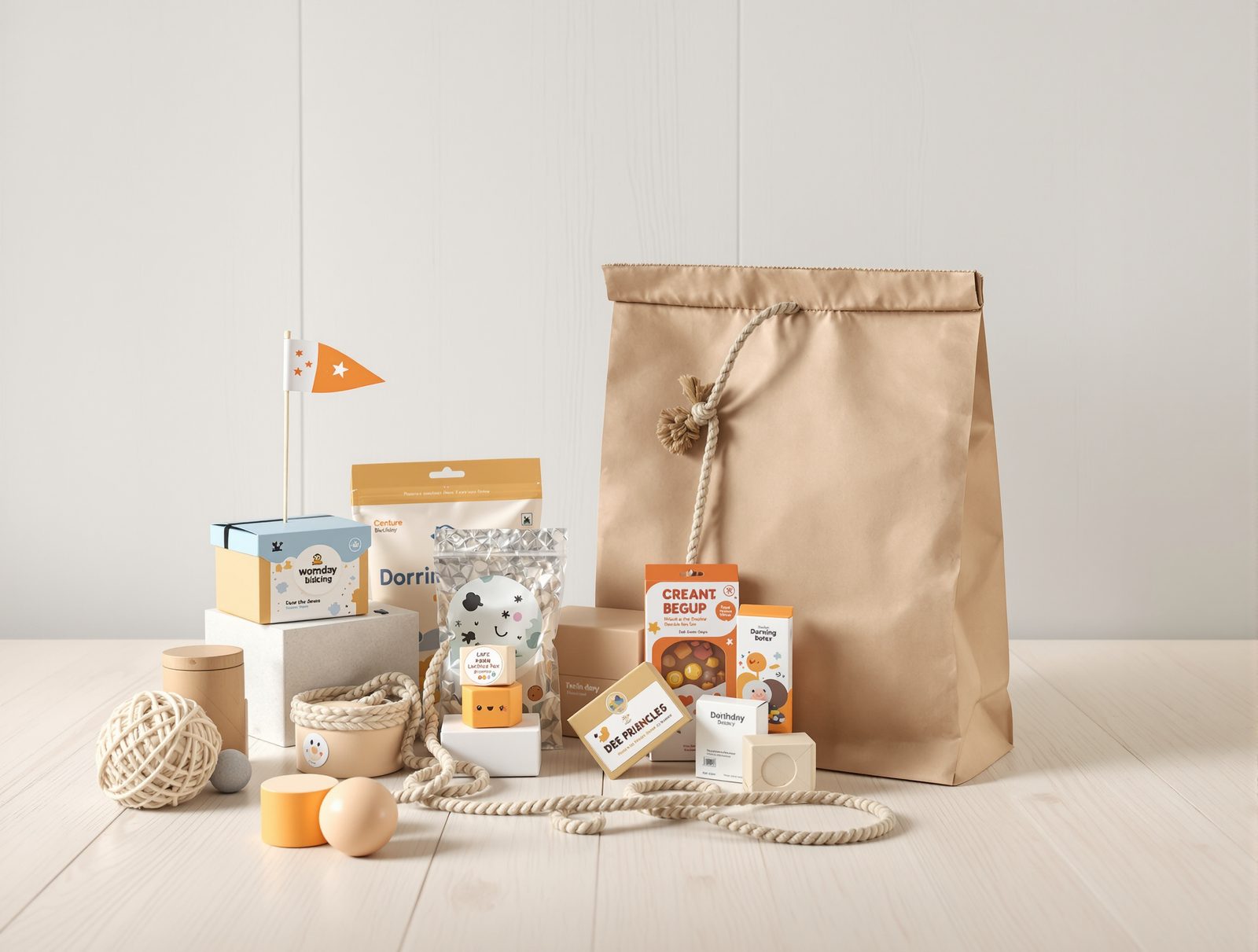
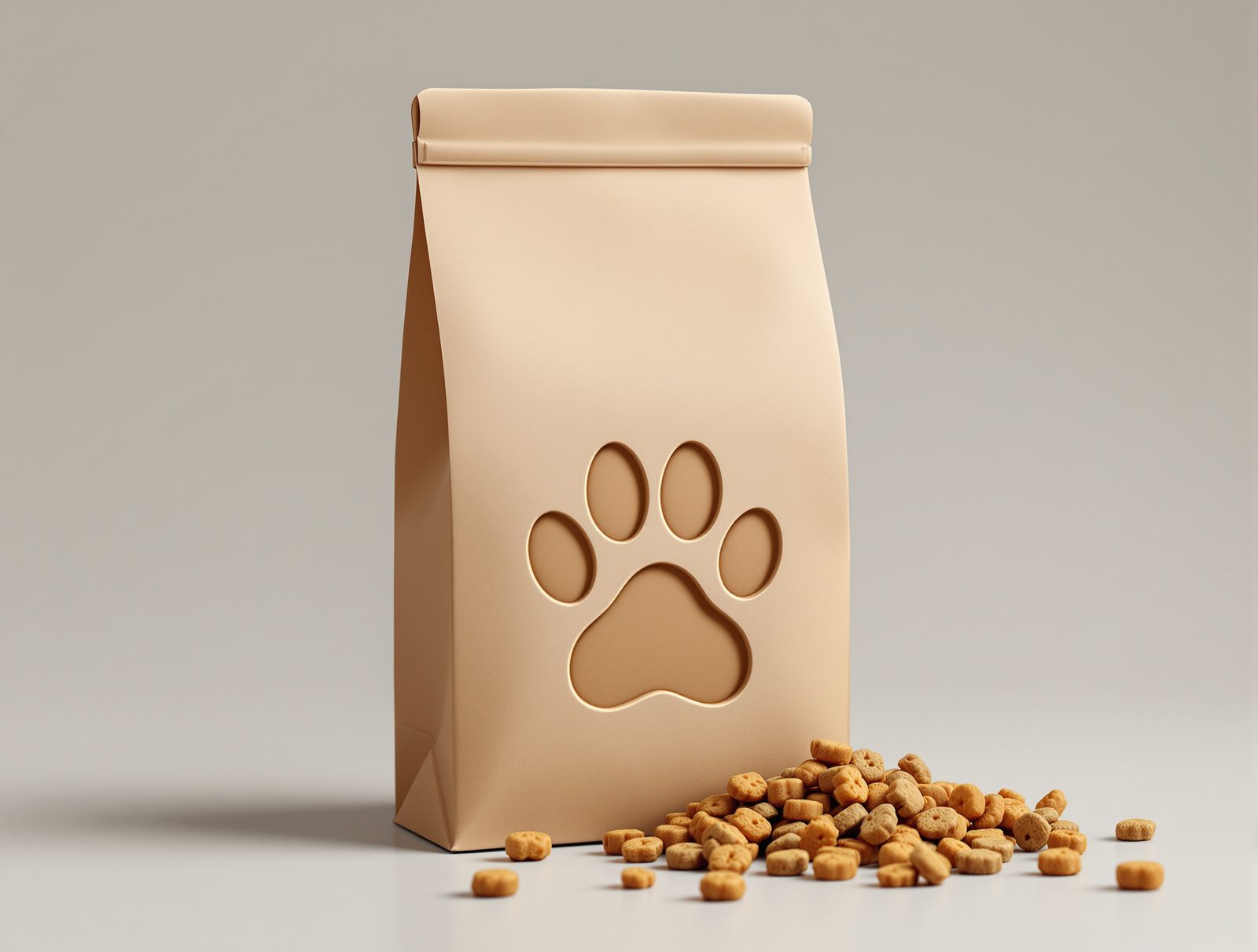
Pet food and treats are the most demanding category on the line. Dry kibble and dense treat blends need moisture-resistant plastic-film barriers and reliable seals, whether that's a flat-bottom stand-up pouch for a small-batch treat brand or a case-ready carton for a bulk feed line. Wet pet food and supplements add another layer: tamper-evident seals and child-resistant features matter when the product could be mistaken for something a toddler shouldn't get into. Toys and hard goods flip the brief entirely — these products don't spoil, but they do need to survive drop-shipping and still look good hanging on a peg hook, so structural rigidity and print quality carry more weight than barrier performance. Grooming products split the difference, usually needing splash resistance plus label space for ingredients and usage directions. Kibble-heavy formulas and multi-pound treat bags need board weights and closures that hold their shape under real warehouse handling, which is why we spec dense-fill constructions the same way we would for custom food packaging in any consumable category — flat-bottom bags, gusseted pouches, or paperboard cartons sized to the actual bulk density of what's inside, not a generic template. Lighter items run the other direction: standard folding cartons handle a treat box or a single grooming item well, since they don't carry the fill weight a bulk feed line does.
A 15-lb bag of kibble behaves nothing like a box of granola bars — it shifts weight, stresses seams at the gusset, and punishes packaging that was specified for a lighter product. We build board weights, plastic film gauges, and seal patterns around the actual fill weight and shape of the product, then pressure-test the construction in-house before a full production run commits to it. That matters just as much for oddly shaped toys and multi-piece grooming kits, where a box has to hold its form through a distribution center's conveyor system without crushing a corner or popping a seam — the same fill-weight logic that shapes every packaging type we build for pet care, whether the product is dense or fragile.
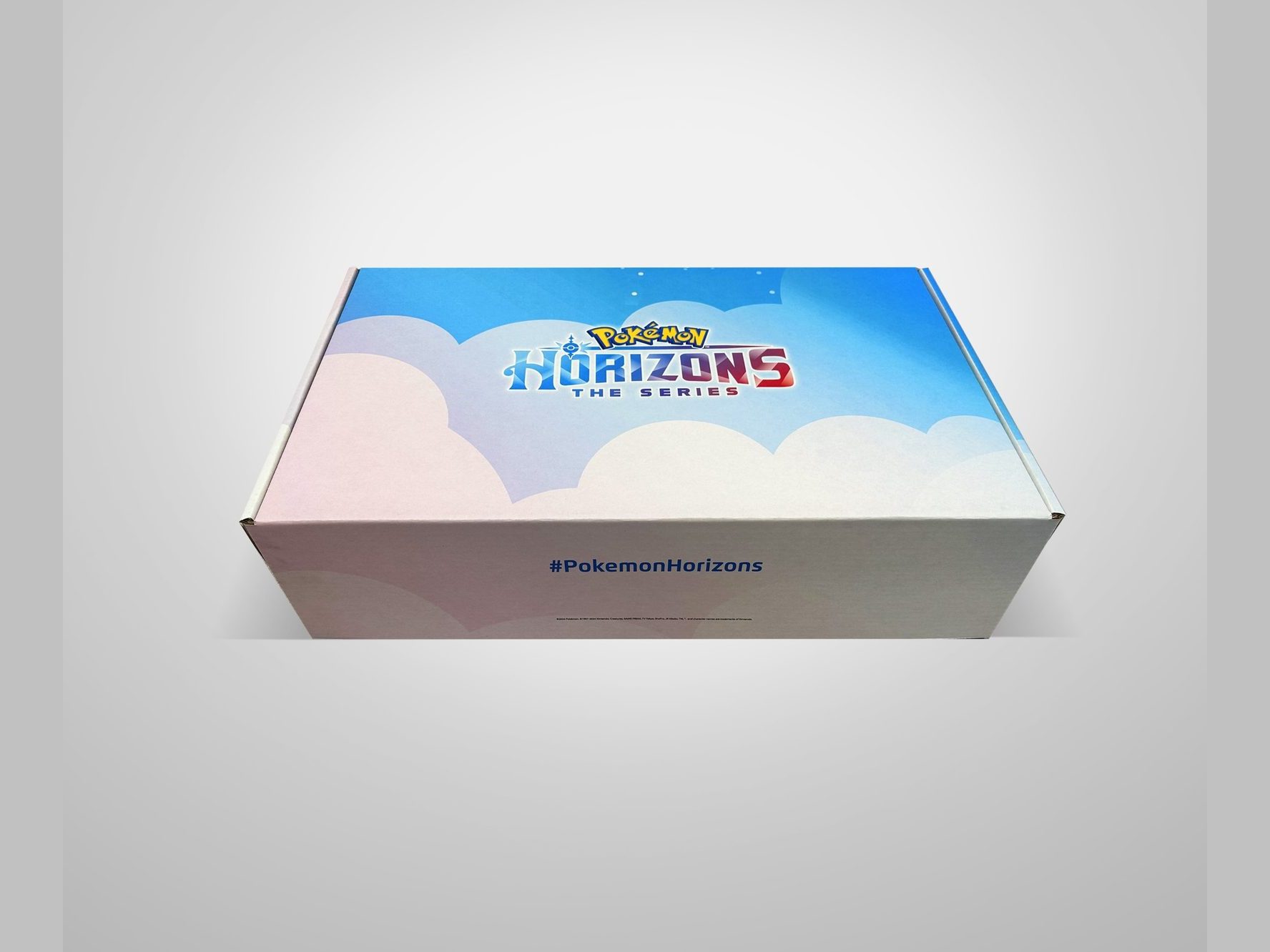
A box designed to win a pet-specialty shelf and a box designed to survive a mail carrier's bin are not the same brief. Retail packaging is judged standing up under store lighting, next to a competitor's SKU, so facing panels, shelf footprint, and case-pack efficiency matter most — we build shelf-ready configurations as part of a broader retail packaging program that keeps facings full without constant restocking. Subscription and DTC brands have a different job: the box is also the unboxing moment, so it needs drop-test durability along with branding that photographs well for an unboxing video. We run those subscriptions on subscription mailer boxes with crush-resistant flutes and printed interiors, turning a monthly treat box into something a customer actually looks forward to opening. The packaging solutions we build for a shelf program and a subscription line get the same finish-quality standard even though the market pressure behind each one is different.
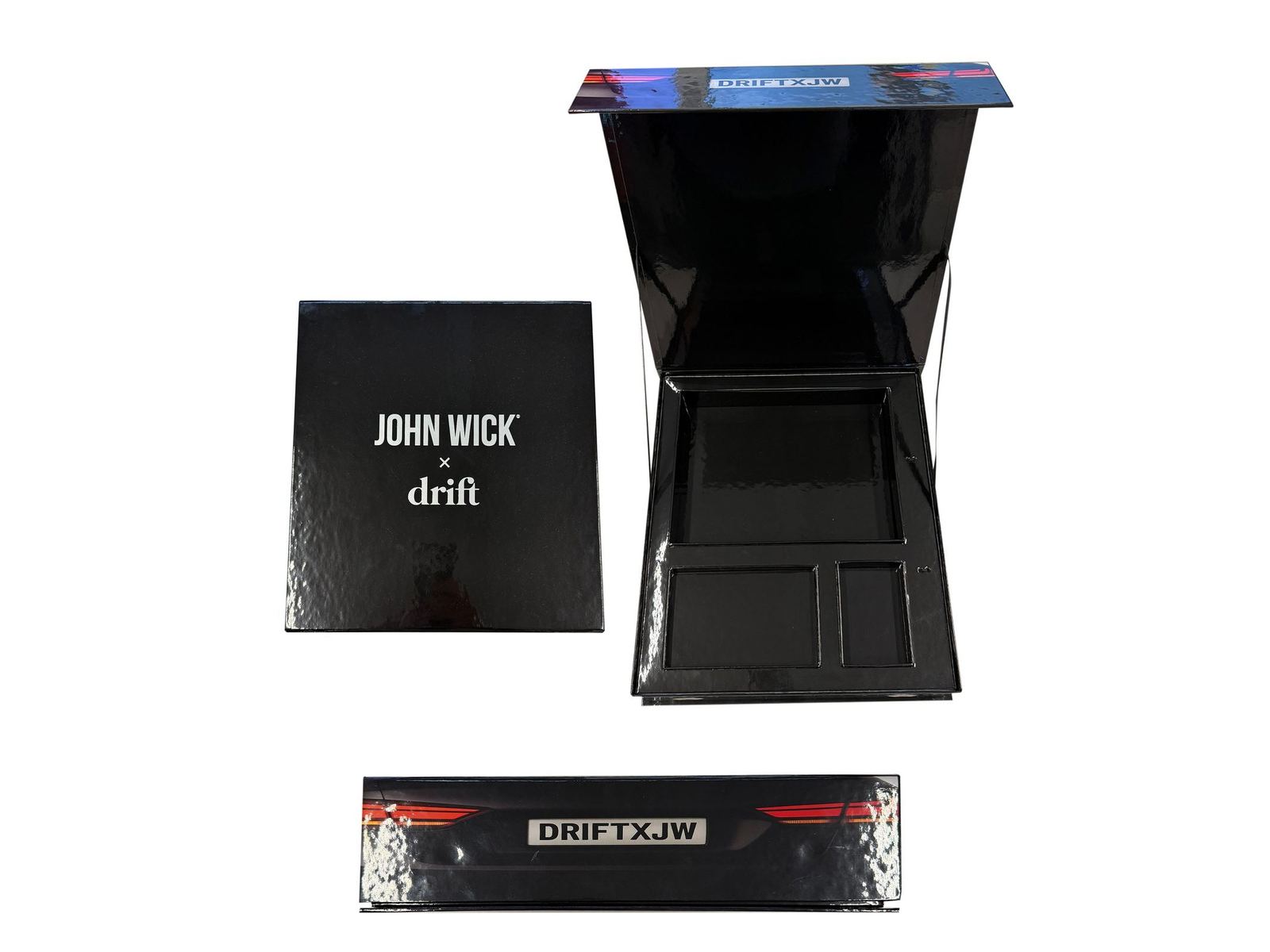
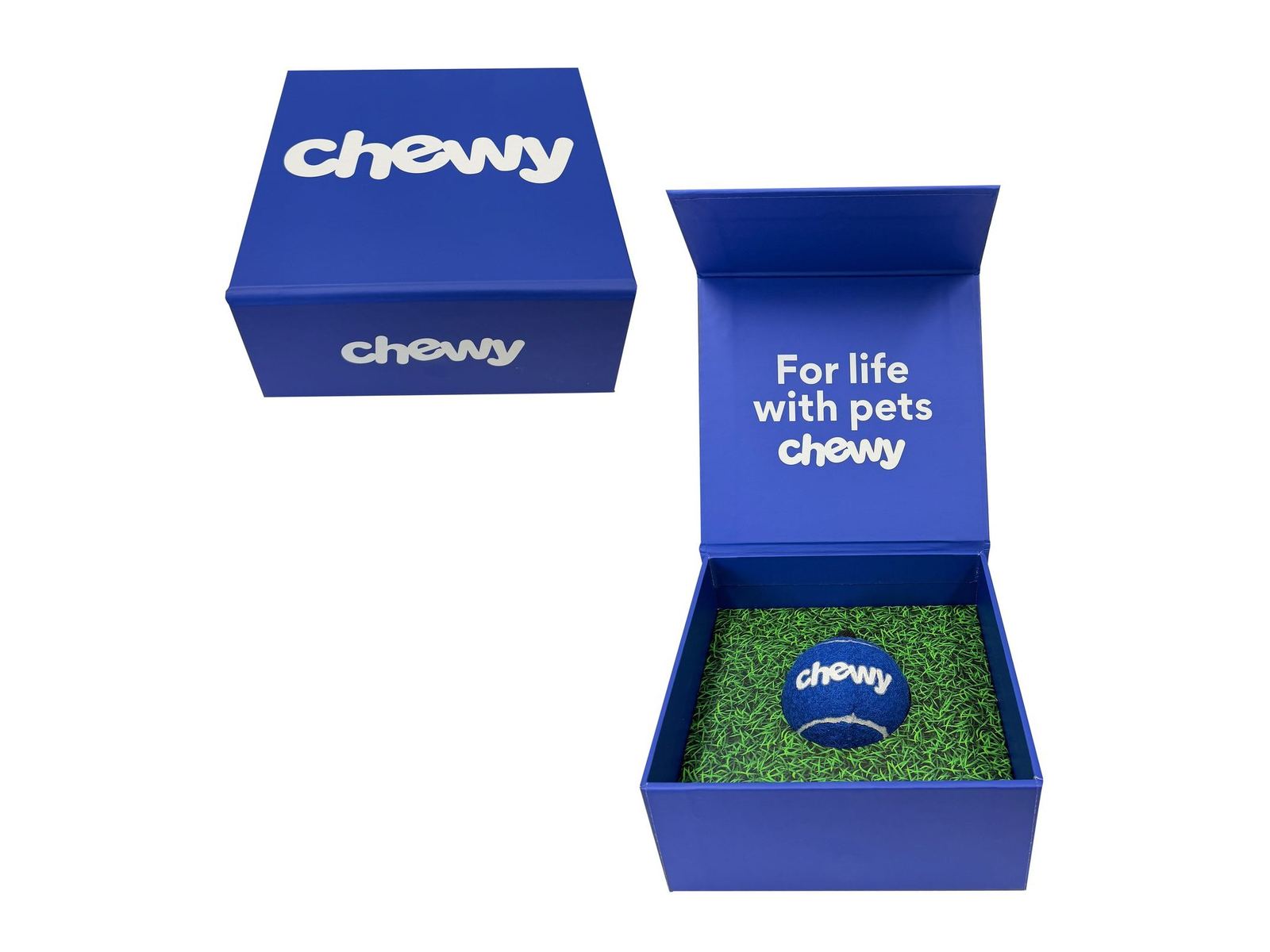
Pet owners buy on personality as much as ingredients, and the pack is where that personality either shows up or gets lost. Custom logo printing in CMYK or Pantone-matched color keeps a brand consistent across a treat bag, a toy box, and a grooming kit, while premium finishes — embossing, foil stamping, matte or gloss coatings — signal quality before a customer reads a single word on the label. Toy and gift-tier assortments in particular benefit from a hinged-lid unboxing moment; the same weight and finish quality we build into rigid box lines for other categories works just as well for a premium pet accessory line, and it carries over into folding cartons for lighter gift sets too. None of that finish work is decorative afterthought — it gets specified alongside the structure so a soft-touch coating or foil detail doesn't crack at a score line six months into production.
The pet care packaging market rewards recognition before it rewards ingredients: consumers scanning a wall of similar bags and boxes give most of them well under a second. Packaging solutions that answer that reality do more than hold a product — distinctive structure, finish, and color are what give a bag a competitive edge next to a dozen lookalikes. That's worth doing the market research on before a packaging refresh rather than after, since a structure or a color that reads from three feet away is much harder to retrofit than a label revision. Choosing the right packaging type for a given product starts with that shelf-level competition, long before folding cartons or stand-up pouches ever reach a converting line.
Consumable pet products carry real regulatory weight. We work within FDA food-contact guidance and AAFCO labeling conventions so ingredient statements, guaranteed analysis, and manufacturer information land on a legible panel that was planned at the dieline stage, not squeezed in after art is finalized. On the materials side, recyclable paperboard and biodegradable or compostable substrates are in regular rotation for brands whose customers are shopping on sustainability as much as on price — a real consideration in a category where the buyer often cares as much about the planet as the product.
What packaging works best for heavy or dense pet food and treats? Board weight, film gauge, and seal pattern all need to match the actual fill weight and density of the product, not a generic template. We spec flat-bottom pouches or reinforced cartons around the real bulk density of the pet food or treats going inside, then pressure-test the construction before committing to a full run.
Can you produce eco-friendly pet packaging that still meets FDA and AAFCO expectations? Yes. Recyclable, biodegradable, and compostable substrates are compatible with FDA food-contact requirements and AAFCO labeling conventions — sustainability and compliance aren't a tradeoff, they're both specified into the same dieline from the start.
Do you handle both retail shelf packaging and DTC subscription boxes? Both, and usually as separate specs even for the same product line. Shelf packaging is built around facing panels and case-pack efficiency; subscription and DTC packaging is built around drop-test durability and an unboxing moment. Brands selling through both channels typically need a spec for each.
Do you build pet care packaging solutions for both treats and hard goods in the same line? Yes. A treat bag, a folding carton for an accessory kit, and a rigid box for a grooming set can all run through the same pet care packaging program, spec'd separately for fill weight and shelf conditions rather than forced onto one generic packaging type.

Considerations
Related Industries
Tell us the product, the channel, and the quantity — we'll map boxes, bags, and mailers to one program.