VSL Packaging — NYC custom packaging company

Industry

Industrial Packaging

Custom industrial packaging built for durability and bulk shipment — reinforced corrugated construction, foam inserts and shock-absorbing materials for fragile goods, and formats sized to move product through a supply chain with less waste and faster delivery.

Industrial packaging by VSL Packaging

What This Industry Runs

The Formats Industrial Brands Order

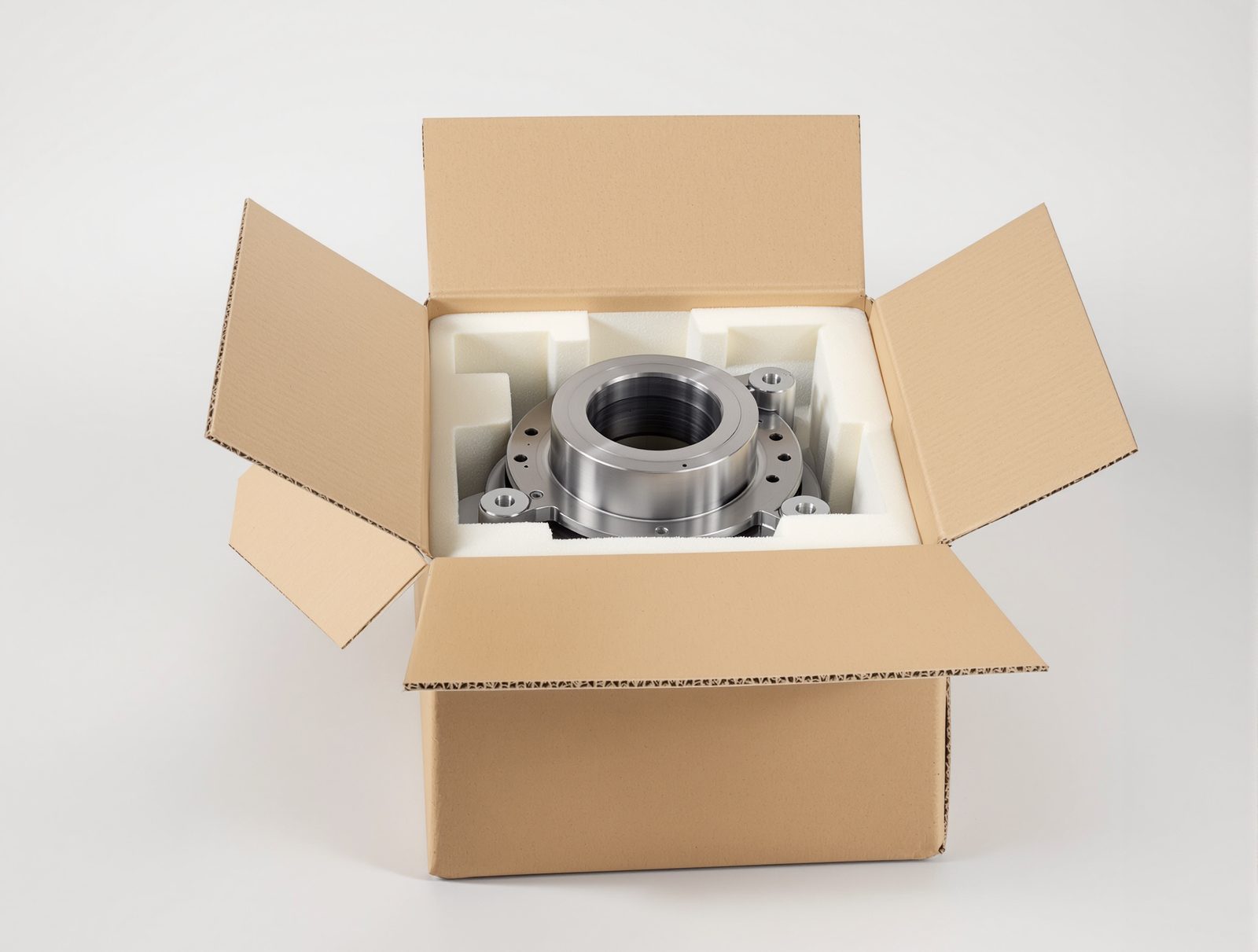
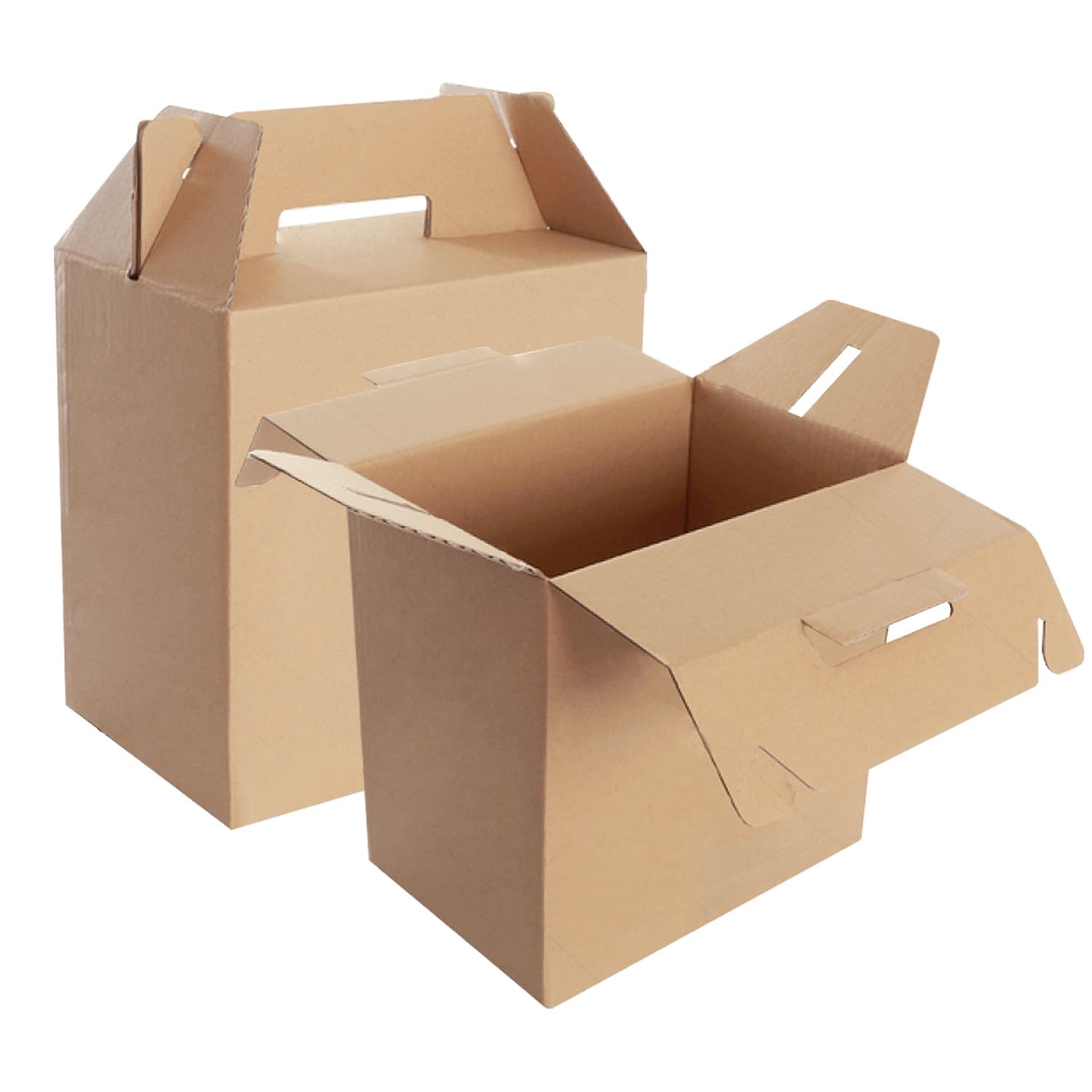
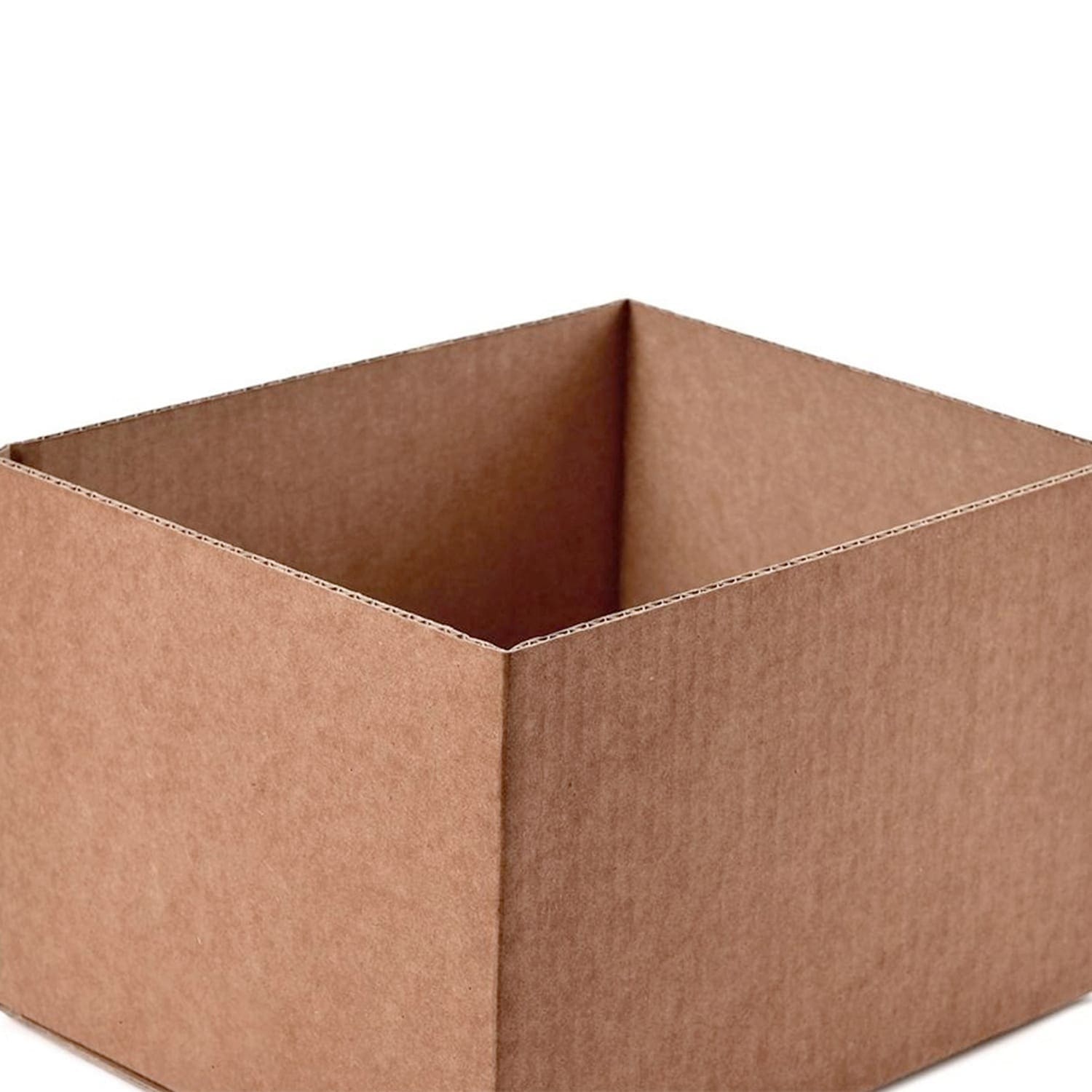
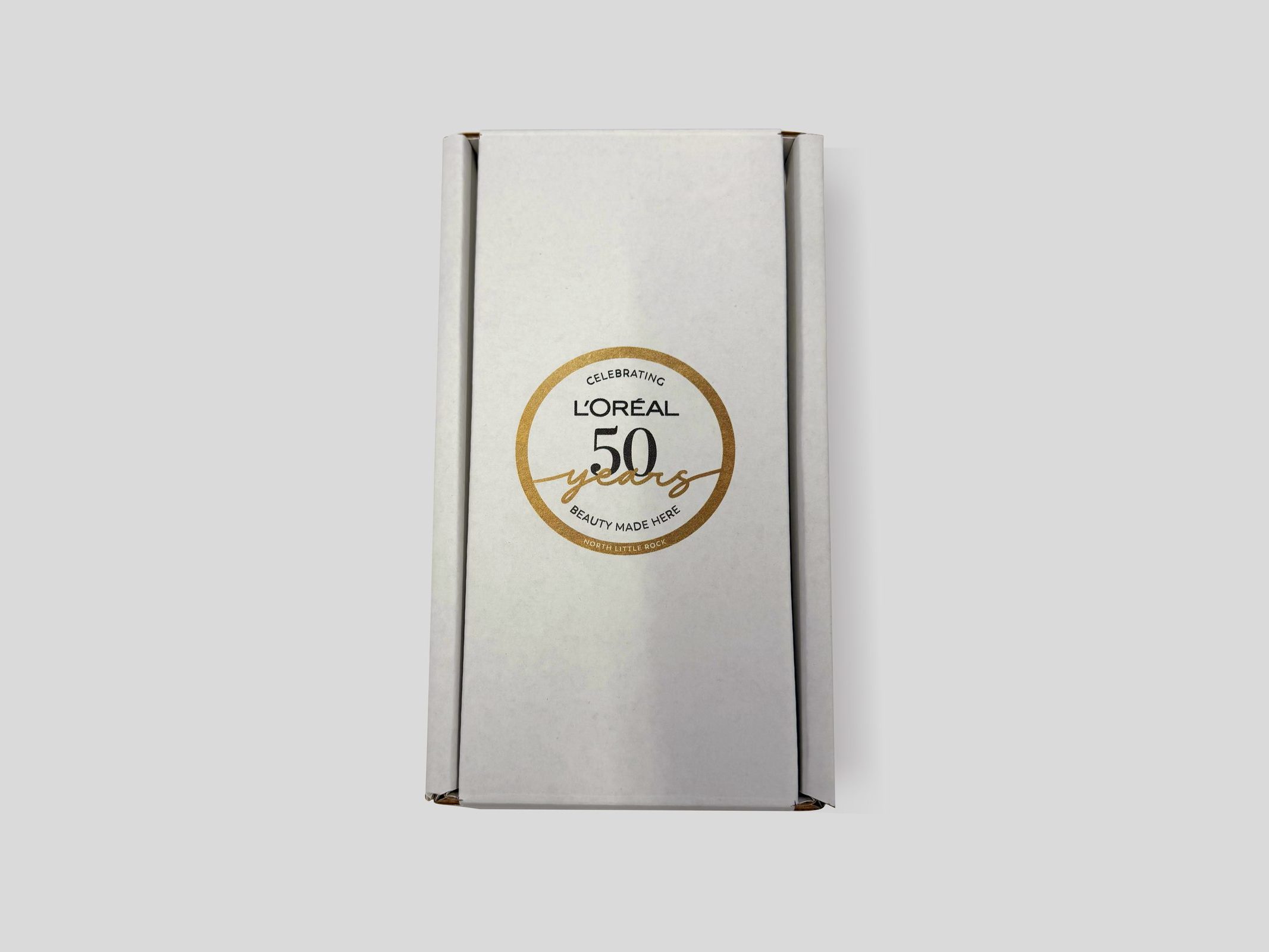
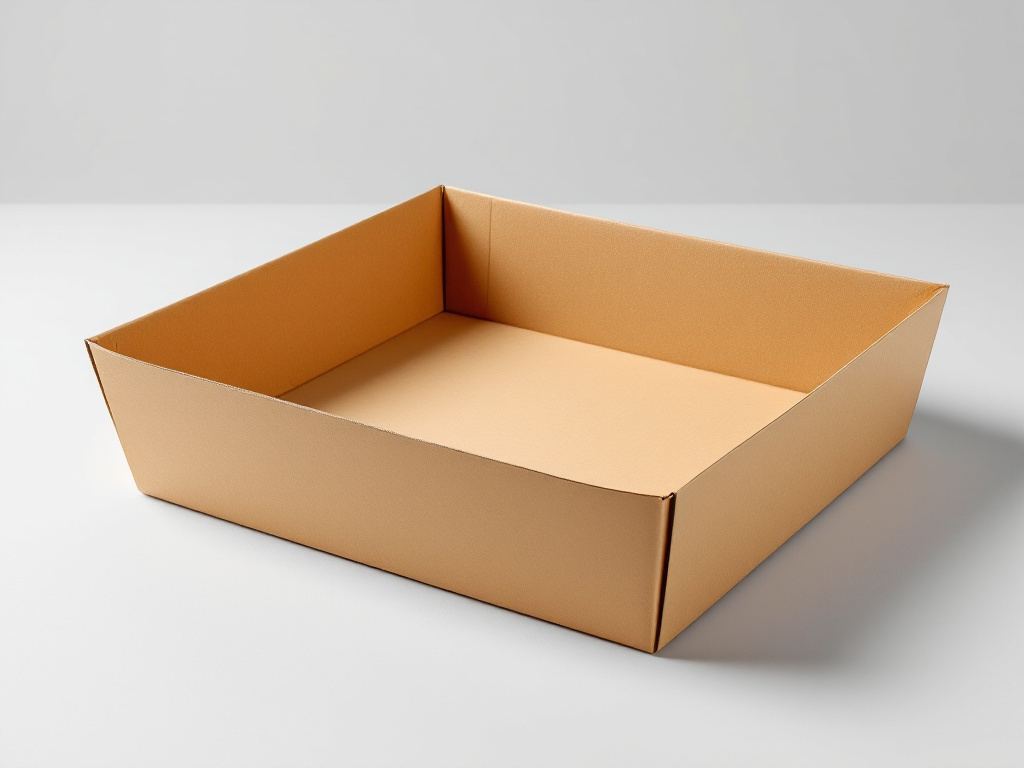
Corrugated Cardboard Boxes from VSL PackagingCorrugated Cardboard BoxesReinforced corrugated designs built for the weight of bulk shipments.Half-Slotted Containers from VSL PackagingHalf-Slotted ContainersOpen-top construction for large items and palletized loads.White L'Oréal 50th-anniversary mailer box with a gold seal, closed, by VSL PackagingShippersCustom shippers built for transit rather than shelf presentation.Stacked corrugated trays with open tops, studio light — studio imageCorrugated TraysTrays that hold a bulk pack together through handling.

Industrial packaging gets judged on one question: did the load arrive intact, and did it cost less to protect than to replace. Nobody photographs it. It has to hold weight, survive stacking and repeated handling, and come apart cleanly at the other end without a worker cutting into product. We build custom industrial packaging out of Manhattan — design, dielines, print specification, and finishing managed as one team — so a spec change is a conversation and a new sample rather than a re-quote routed through a broker and a plant nobody on your side has walked through.

Custom industrial packaging for bulk shipment

Bulk shipping punishes packaging differently than parcel does. The failure mode isn't a single drop, it's compression: units stacked on units, held for weeks, moved by forklift, and re-stacked at every transfer. That makes board grade, flute profile, and stacking direction the decisions that matter most, and none of them can be settled from a catalog page.

We spec those against the actual load — its weight, how high it stacks, whether it sits on a pallet or a shelf, and how many times it gets handled before it's opened. Double-wall construction earns its cost on heavy or long-transit loads; single-wall is often the right answer for lighter goods moving a short distance, and over-speccing there is just money spent on board nobody needed.

Corrugated boxes and half-slotted containers for heavy loads

Custom corrugated boxes are the backbone of most industrial programs — reinforced construction, sized to the product, printed only as much as the job requires. Cut to the load rather than to a stock dimension, a box removes the void fill that would otherwise be needed to stop movement, and a product that can't shift is a product that can't work a corner loose in transit.

Open-top formats solve a different problem. Ask us about half slotted containers to round out your lineup: with no top flaps, they load from above, stack into a column, and suit large items, palletized loads, and anything a worker needs to reach into without dismantling the box first. Paired with a separate lid or a stretch-wrapped pallet, they're often the cheaper and faster answer for goods that don't need a sealed six-sided carton.

Corrugated trays and case-level pack-out

Not every bulk pack needs a full box around it. You'll find that same quality in our corrugated trays — low-wall trays that hold a bulk pack together through handling, take a stretch wrap cleanly, and stack without the material cost of full walls. For distribution, they also open the load: a tray-packed case sets down and is immediately ready to work from, with no flaps to cut and no carton to break down afterward.

Case-level pack-out is worth designing rather than inheriting. How many units per case, how the case sits on the pallet, and how it opens on a receiving line all follow from the same dieline decision, and getting it right removes labor at every stop.

Protective packaging for fragile industrial goods

Fragile industrial goods — instruments, electronics assemblies, glass, finished components with machined surfaces — need packaging solutions that hold the product still rather than merely surround it. We cut fitted inserts from foam, corrugate, and molded pulp, sized to the actual silhouette of the part so it can't move against a wall or against another unit in the same case.

Surface protection is a separate decision from shock protection, and it's the one most often skipped. A component that arrives structurally fine but scuffed is still a return. Interior liners, separator sheets between layers, and inserts that hold a finished face away from board all cost very little compared to re-machining or re-finishing a part.

Sizing to the pallet: freight and supply chain efficiency

Freight is priced on space as much as weight, so a box that doesn't tile cleanly onto a pallet quietly pays a penalty on every shipment. We dimension industrial cartons against the pallet footprint and the trailer height they'll travel in, so a layer fills the deck without overhang and the stack lands on a usable pallet count instead of wasting a tier.

The same logic runs inside the warehouse. Cases sized to the rack, trays sized to the case, and inserts sized to the part mean less filler bought and stored, fewer packaging SKUs to manage, and a pack-out line that isn't compensating for a container that almost fits.

Printed identification on the box

Industrial packaging carries information as well as product. Shipping marks, part numbers, orientation arrows, and handling icons all print directly onto the board in the same pass as any brand artwork, so a case is readable across a warehouse without a separate label step. Panel space for that copy gets planned into the dieline from the start rather than squeezed in around artwork at the end — the practical difference between a case a receiving team can sort at a glance and one they have to turn over.

Sustainable industrial packaging materials

Sustainability and cost point the same direction in this category, because both reward using less material better. We run recycled and FSC-certified corrugated stock and can print with water-based inks on request, without asking anyone to trade durability for a lower footprint — the same packaging materials we'd spec for any other job, not a separate green line. Right-sizing does the rest of the work: a carton cut to the load uses less board, needs less void fill, and ships at a lower dimensional weight than a stock size that's close enough.

Because design, print specification, and finishing all run through one team, a sustainable spec doesn't add a vendor or a shipping leg to the job — it's the same production line running different material inputs.

Working with an industrial packaging manufacturer in New York

Most companies comparing industrial packaging solutions are really asking one thing: who actually makes the box. A lot of them are sales offices brokering the work out, which is fine until a dieline needs revising and the fix takes a shipping cycle to verify. We're a manufacturer: cutting, printing, and finishing all run under our own direction, so a change to a case spec is a sample rather than a re-quote.

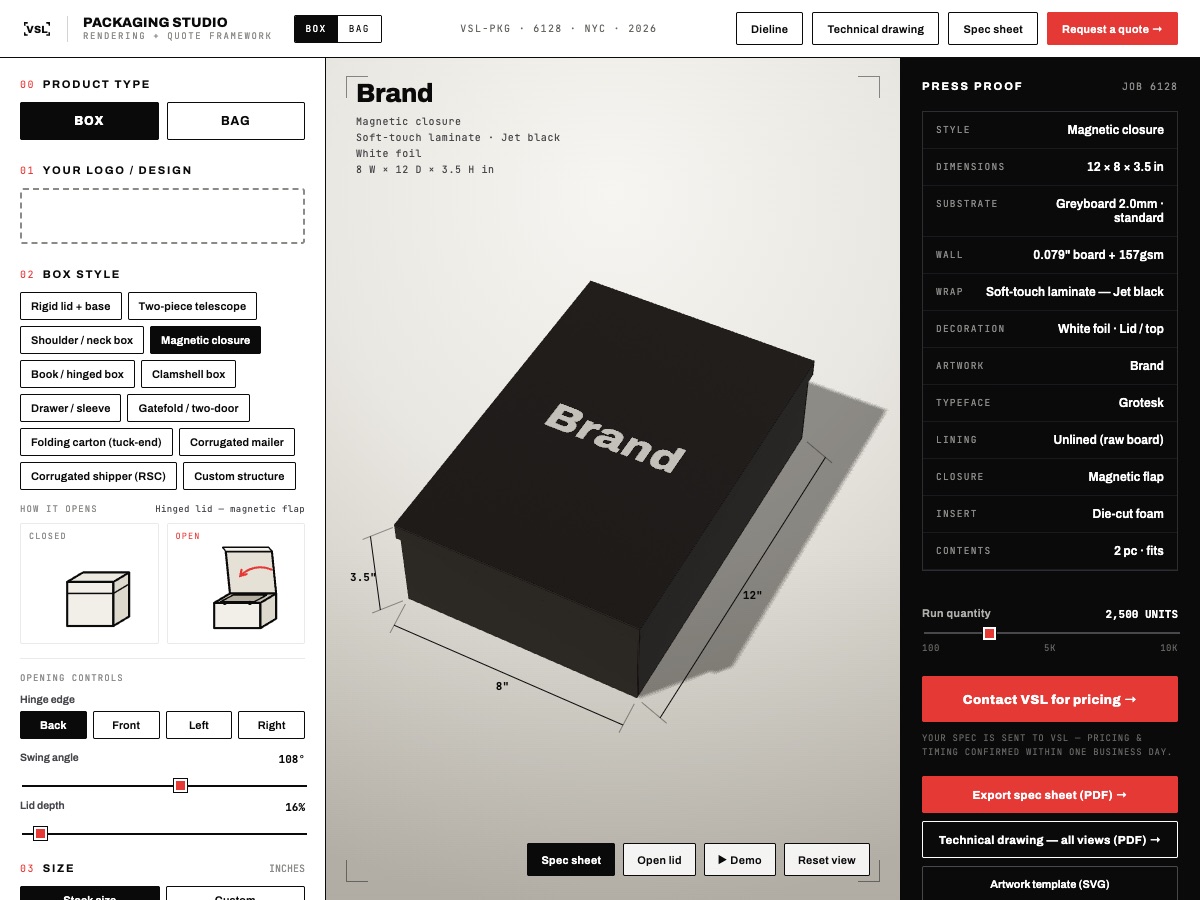
That changes reordering too. We hold the die and the color proof between runs, so a case ordered six months from now matches the first production run without re-tooling. Low minimum order quantities mean a first order doesn't have to fill a warehouse to be worth quoting, and the same spec scales as volume grows. We work with CPG brands and contract packaging operations alike, sizing cases and secondary packaging to run cleanly through a client's own packaging lines and machinery, with our own engineers on the technical questions rather than a separate service desk. If you'd rather start from a structure than a description, build it in the VSL Packaging Studio and send the spec straight to our engineers.

Industrial Packaging FAQs

Single-wall or double-wall corrugated for a heavy load? It depends on stack height and transit length more than on unit weight alone. Double-wall earns its cost on heavy loads that stack high or travel far; for lighter goods moving a short distance, single-wall with the right flute is usually the better spend. We size it against the actual load rather than a rule of thumb.

When is a half-slotted container better than a regular box? When the load is large, palletized, or needs to be reached into repeatedly. With no top flaps, an HSC loads from above and stacks into a column, which is faster on both the pack-out and receiving ends. Sealed six-sided cartons make more sense when the contents need full enclosure in transit.

Can you produce the outer case and the inserts inside it in one order? Yes. Producing both here lets us dimension the insert and the case together in a single prototyping cycle, so the part is held rather than merely contained — one purchase order, one production run, no coordination between separate vendors.
Considerations

What Industrial Packaging Has to Get Right

Durability for Bulk ShipmentsReinforced designs built for the weight and repeated handling bulk shipments take.
Protection for Fragile GoodsFoam inserts and shock-absorbing materials sized to the product rather than a stock cavity.
Supply Chain EfficiencyPackaging that reduces waste and improves efficiency, from pack-out through delivery times.

Related Industries

JewelryLuxuryMedicalNutraceuticalsPet CarePharmaceuticalAll 22 industries →

Package Your Industrial Line

Tell us the product, the channel, and the quantity — we'll map boxes, bags, and mailers to one program.

Get a Quote