Industry
Custom health packaging for wellness and self-care brands, engineered in Manhattan's Garment District — design, prototyping, print specification, and assembly managed as one team, with no broker translating your spec to an outside factory.
What This Industry Runs

We engineer custom health packaging in Manhattan's Garment District — design, prototyping, print specification, and assembly managed as one team, with no broker translating your spec to an outside factory. That matters most in the wellness category, where a label change or a seal upgrade can't wait on a boat crossing the Pacific. If you're shipping vitamins, functional beverages, wellness kits, or self-care goods direct to a customer's door, we can turn a structural concept into a physical sample in days and hold that spec steady from a first small run through a full reorder.
"Health packaging" covers a wide shelf, and we're specific about the part of it we build for: everyday wellness and self-care goods, not prescription drugs or clinical devices. Think vitamin gummies, functional teas and tonics, recovery balms, sleep and stress-support products, and the gift-and-subscription kits built around them. Those products still carry real labeling and handling requirements, but the packaging problem is closer to a beverage or a specialty food brief than a pharmacy counter — which is why we treat it as its own line of work rather than a rebadged version of clinical packaging.
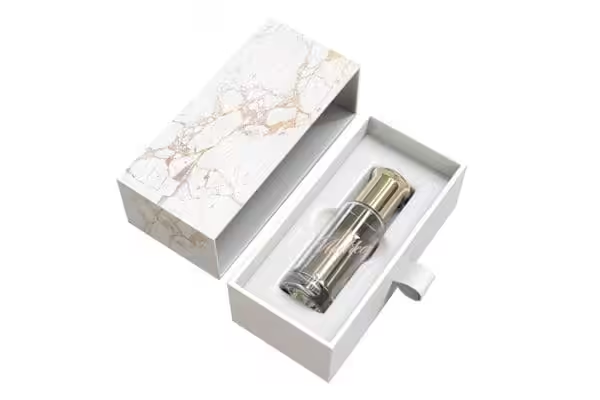
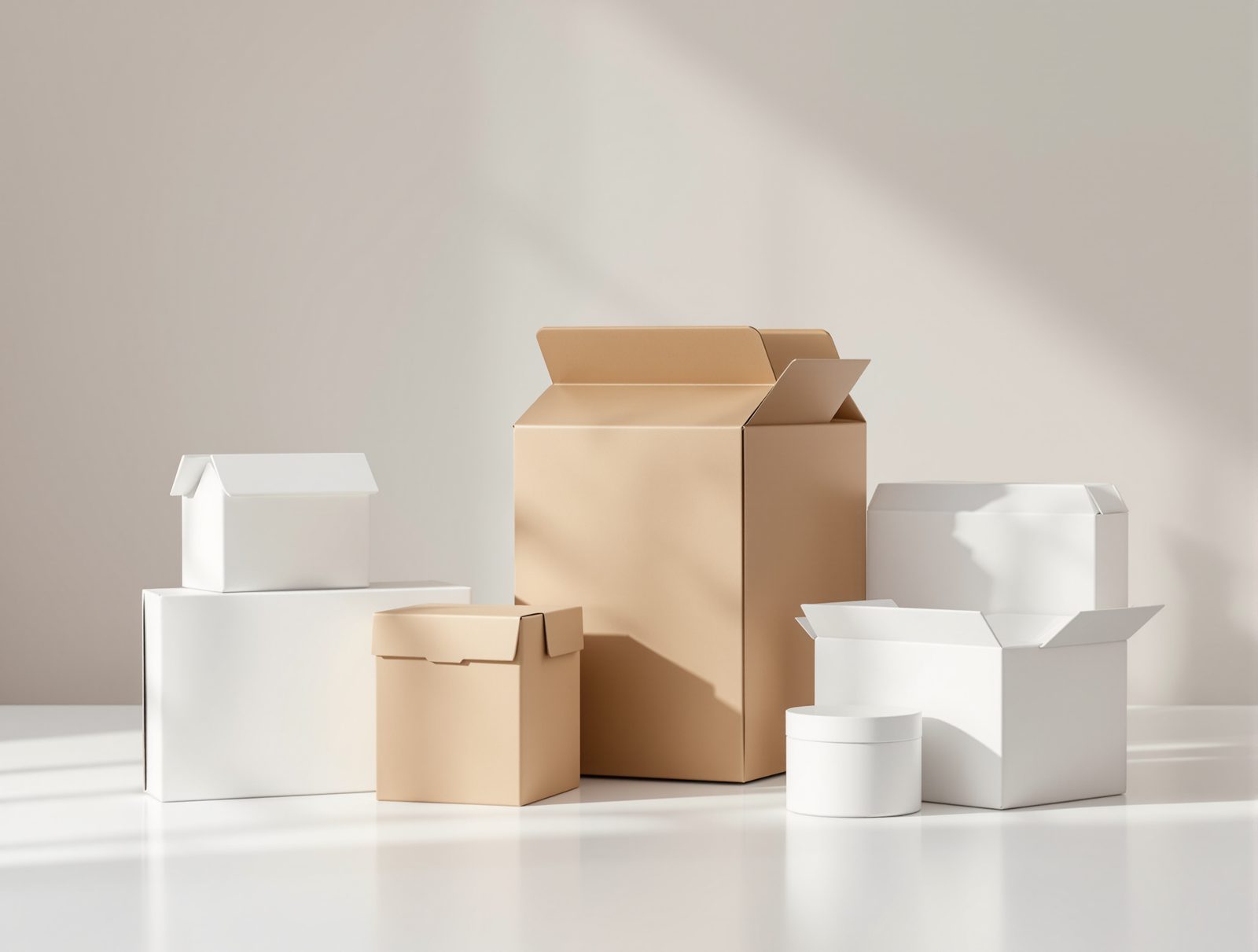
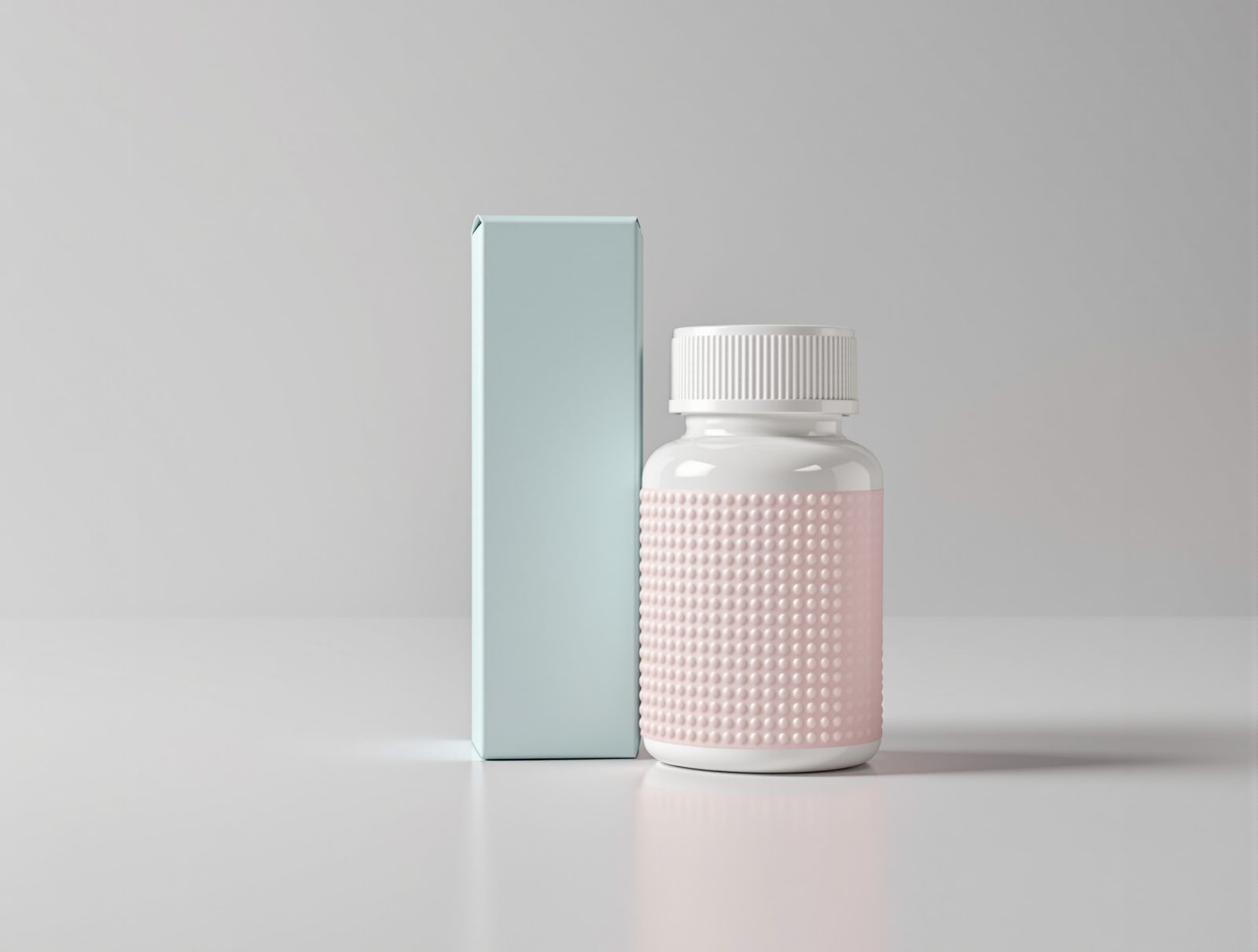
A wellness line rarely ships in one shape. Gummies and capsules typically travel in a folded carton with a printed dosage panel and enough rigidity to survive a fulfillment center; functional drink mixes and powders do better in a resealable pouch or a canister sleeve that keeps product fresh through repeat use. Balms, salves, and self-care sets usually pair a jar or tin with an outer folding carton that protects the container and carries the brand story on four printable panels. Because all of these formats run through one process, a brand selling gummies and a topical balm under one label gets consistent color, stock, and fit across every SKU — not three vendors' worth of small variations.
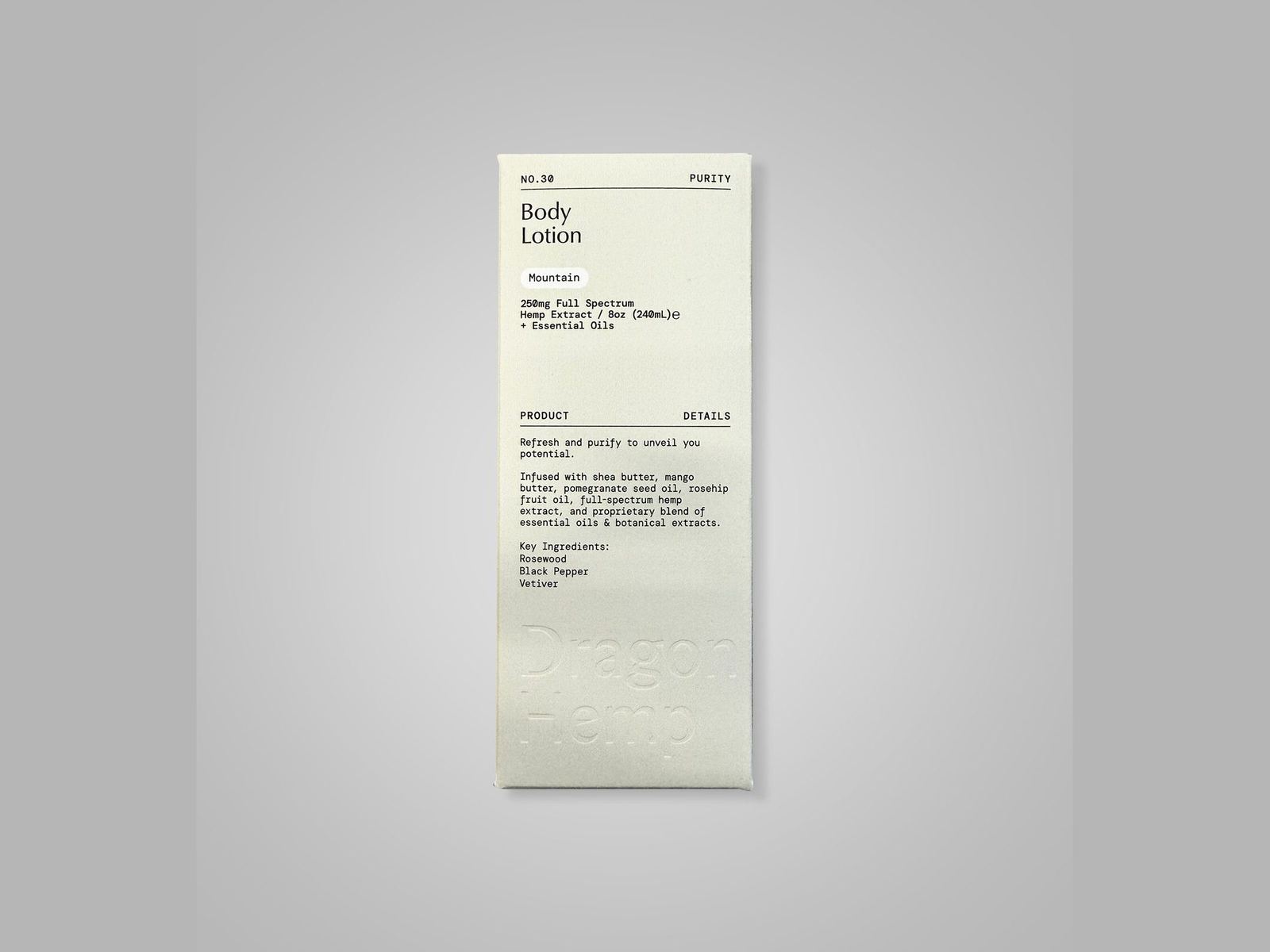
Wellness products carry labeling obligations — ingredient lists, usage directions, net contents, and manufacturer or importer information — and the panel has to hold all of it legibly without crowding out the brand. We reserve that real estate at the dieline stage, before artwork is finalized, so a required disclosure never gets shrunk to fit around a logo at the last minute. Exactly which disclosures apply depends on the product and where it sells, so we review label copy against the panel layout early, while a change is still just a file edit and not a reprint.
Anything a customer opens, ingests, or applies to their body benefits from a visible signal that it hasn't been opened before. We build tamper-evidence into the structure itself — shrink bands across a cap or closure, perforated tear-strips on a carton flap, and void-if-removed seals on jars and pouches — rather than adding a sticker after the fact. Specifying the feature at the same time as the box or closure means the seal actually fits the format, instead of a generic label stretched over a shape it wasn't designed for.
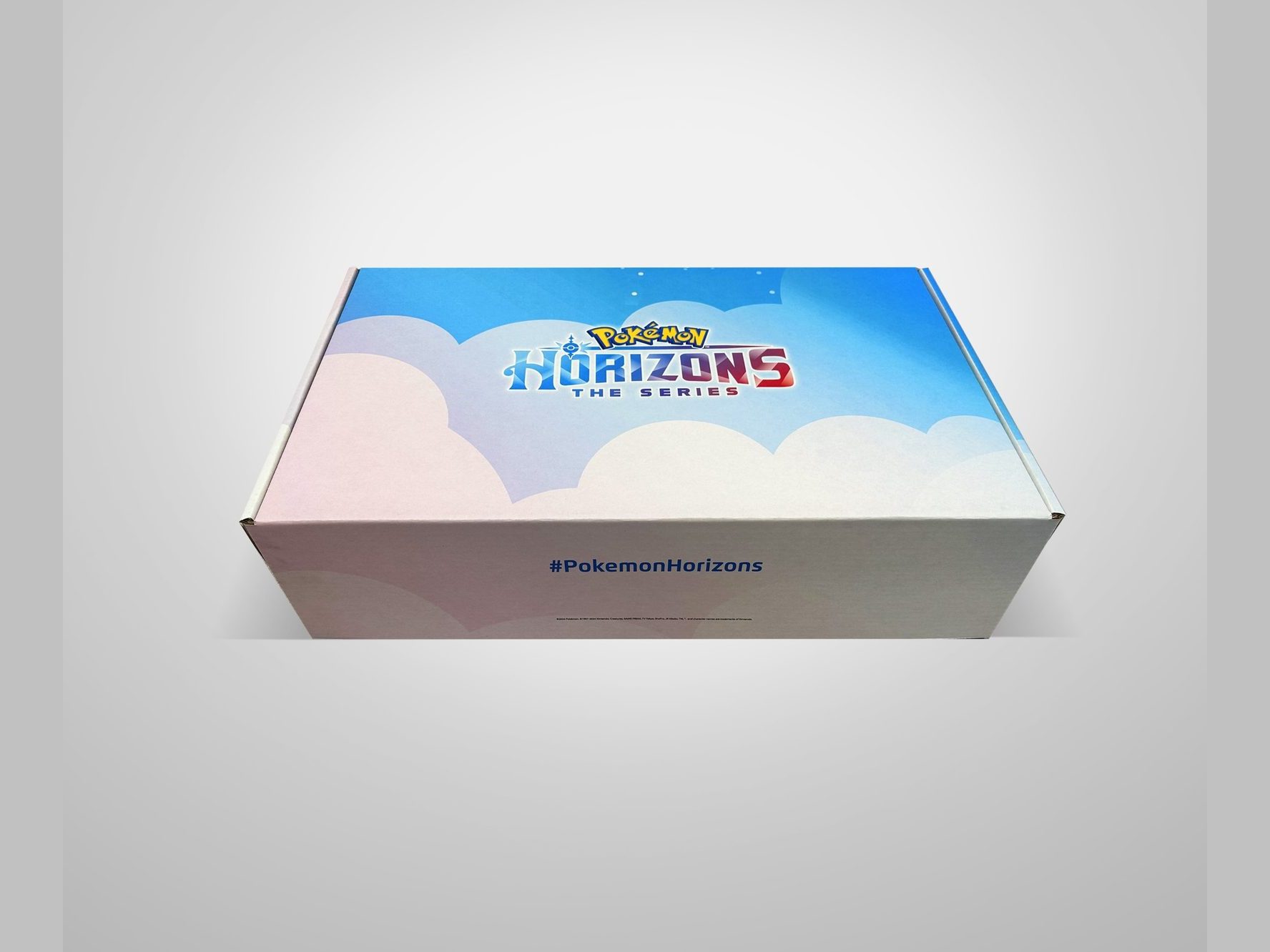
Most wellness brands sell direct, and the box that arrives at someone's door is doing marketing work a retail shelf never could. A mailer box that opens flat into a branded reveal, with a fitted tray holding a gummy jar, a tea tin, and a printed insert card, turns a routine delivery into something worth photographing and reordering. A matte, soft-touch coating on the outer box reinforces a clean, clinical-adjacent-but-approachable feel that a lot of wellness brands are chasing, without the added cost of a full rigid-box build.
Because prototyping happens in Manhattan, a founder can hold a physical sample before committing to a print run — useful when a label revision or a seal change needs to be tested, not just approved on screen. Low minimum order quantities mean an early-stage wellness brand isn't forced into a warehouse-filling first order, and the same team scales the spec as volume grows. If your line moves toward skincare or topical self-care, our beauty packaging work covers the jar-and-carton pairings and finishing options that carry over directly.
Is health packaging the same as medical or pharmaceutical packaging? No. We treat them as separate categories. Health packaging here covers consumer wellness and self-care goods — vitamins, functional beverages, balms, wellness kits. Prescription and clinical products carry different structural and labeling requirements and sit outside this line of work.
Does my product need tamper-evident packaging? Most ingestible and topical wellness products benefit from a visible tamper-evidence feature even when it isn't strictly mandated, since it signals product integrity to the customer. We build the seal, band, or tear-strip into the structural design so it fits the format instead of being added on afterward.
What's a reasonable minimum order for a new wellness brand? It depends on the format and finish, but we keep minimums low enough for an early-stage brand to run a first order without overcommitting on inventory, then scale the same spec as demand grows.
Considerations
Tell us the product, the channel, and the quantity — we'll map boxes, bags, and mailers to one program.