Boxes
Seal End Boxes
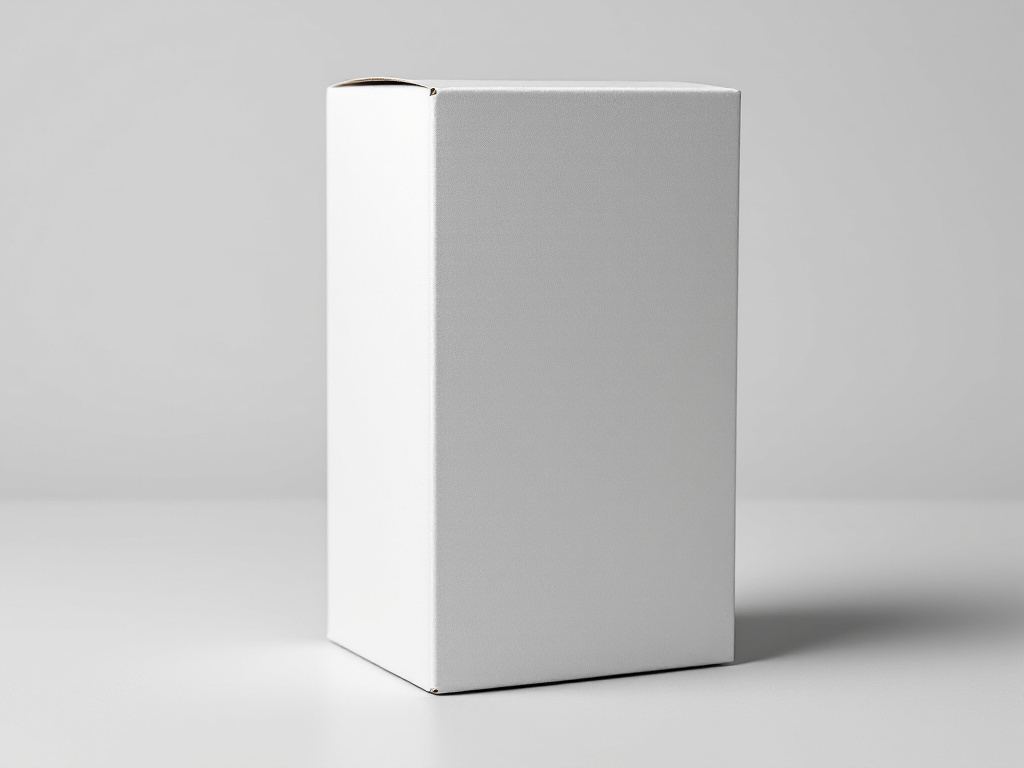
A paperboard carton with one end glued shut during manufacturing instead of left as a fold-it-yourself tuck flap — a visible tamper-evident closure and a shape that runs cleanly through automated filling equipment.
Construction
One or both ends glued at manufacture
Closure
Tear-to-open, tamper-evident by structure
Bottom Options
Auto-lock or 1-2-3 bottom
Printing
Single-color stamp to full-coverage litho
A seal end box — also called a glued-end carton — is a paperboard box where one end is glued shut during manufacturing instead of left open as a fold-it-yourself tuck flap. That factory-applied seal gives it two things a standard tuck-end carton doesn't have out of the box: a visible tamper-evident closure, and a shape that runs cleanly and quickly through automated filling equipment. We build custom seal end boxes in New York City, from a single prototype through a full production run.
Glued-End Construction: How a Seal End Box Closes
A seal end box starts as a folded paperboard sleeve with one end pre-glued shut at the point of manufacture, using hot-melt or cold glue applied during converting. The opposite end is left open so the product can be loaded in, then that end is glued shut as well once filled — either on the customer's packing line or ours, depending on the project. Because the seal is glue rather than a friction-fit tuck flap, the carton holds its shape and closure integrity through rougher handling than a tuck-end box would. That holds whether we're running a single prototype or a full wholesale order.
Tamper Evidence Built Into the Seal
Because the end flap is glued rather than tucked, opening a seal end box means tearing the flap or breaking a perforation — there's no way to lift a flap and reclose it without a visible sign the carton was opened. That built-in tear-to-open feature is a big part of why seal end construction shows up on packaging where a buyer needs visual confirmation the box hasn't been opened before it reached them, without adding a separate tamper band or label — making tamper evidence a structural feature instead of an afterthought.
Auto Bottom Boxes: Variants for Fast Assembly
Many seal end boxes pair a glued top seal with an auto-lock or 1-2-3 bottom — a bottom panel cut and scored so it pops into a flat, load-bearing base with a single fold instead of requiring glue or manual flap-tucking on the line. That combination — auto-bottom on one end, sealed closure on the other — is common wherever a packing line needs to erect, fill, and close cartons fast without a dedicated gluing step for the bottom. We cut every auto-bottom blank to custom sizes rather than a stock chart, so the base pops flat regardless of which filling line it runs through.
Built for High-Speed Filling Lines
Seal end construction is the format we reach for when a product is running through automated cartoning equipment rather than being boxed by hand. Pre-glued blanks feed through a cartoner in a flat, consistent shape, get erected, filled, and sealed in one continuous pass — a workflow that a hand-tucked flap isn't built for at volume. That makes custom seal end boxes a common choice for custom food packaging like snack and cereal cartons, pharma-adjacent packaging like supplement and over-the-counter cartons, and any product moving through a high-throughput packing line — without relying on any specific certification claims on our part.
Seal End vs. Tuck End Boxes
The trade-off is reclosability. A tuck end box opens and closes on friction, so a customer can reopen it after the first use — the right call for a cosmetics or supplement carton that stays on a shelf. A seal end box is built to be opened once, which is exactly what you want when tamper evidence or filling-line speed matters more than a resealable flap. We help teams weigh that trade-off against the filling equipment and shelf use case before locking in a construction
Custom Seal End Boxes: Sizing, Board, and Printing
Board grade, caliper, coating, and bottom style are the core customization options we scope on every seal end run. We spec each of them to the product and the filling line — a heavier board and auto-bottom for a denser fill, a lighter caliper where speed and cost matter more. We print every seal end box ourselves, running anywhere from a single-color stamp to full-coverage color printing, handled alongside die-cutting and prototyping. For retail-ready cartons that need to ship pre-packed for the shelf, take a look at our shelf ready boxes format as well.
Seal End Boxes FAQ
What is a seal end box? A seal end box is a paperboard carton with one or both ends glued shut during manufacturing instead of left as a fold-it-yourself tuck flap. The glued closure gives it a tamper-evident seal and a shape that runs efficiently through automated filling equipment. We build them alongside tuck-end and auto-bottom construction.
Are seal end boxes tamper-evident? Yes — because the end flap is glued rather than tucked, opening the box means tearing the flap or a perforation, which leaves a visible sign the carton was opened. That's a structural feature of the glued-end closure itself, not an added tamper band or certification.
What's the difference between a seal end box and a tuck end box? A tuck end box closes on a friction-fit flap that a customer can open and reclose by hand. A seal end box is glued shut at manufacture for a one-time, tamper-evident open — a better fit for high-speed filling lines and products where reclosability isn't the priority.
Are seal end boxes available in eco-friendly materials? Yes — brown kraft is a common eco-friendly, durable material choice for brands that want recyclable seal end construction without giving up print quality.
Whether you're prototyping a single custom seal end box sample or scaling to a full production run, we build them in New York City from first dieline to finished carton.
Price Your Run
Product dimensions, quantity, and any finish ideas — we will quote structure, material, and print.