
Boxes
Straight Tuck End Boxes
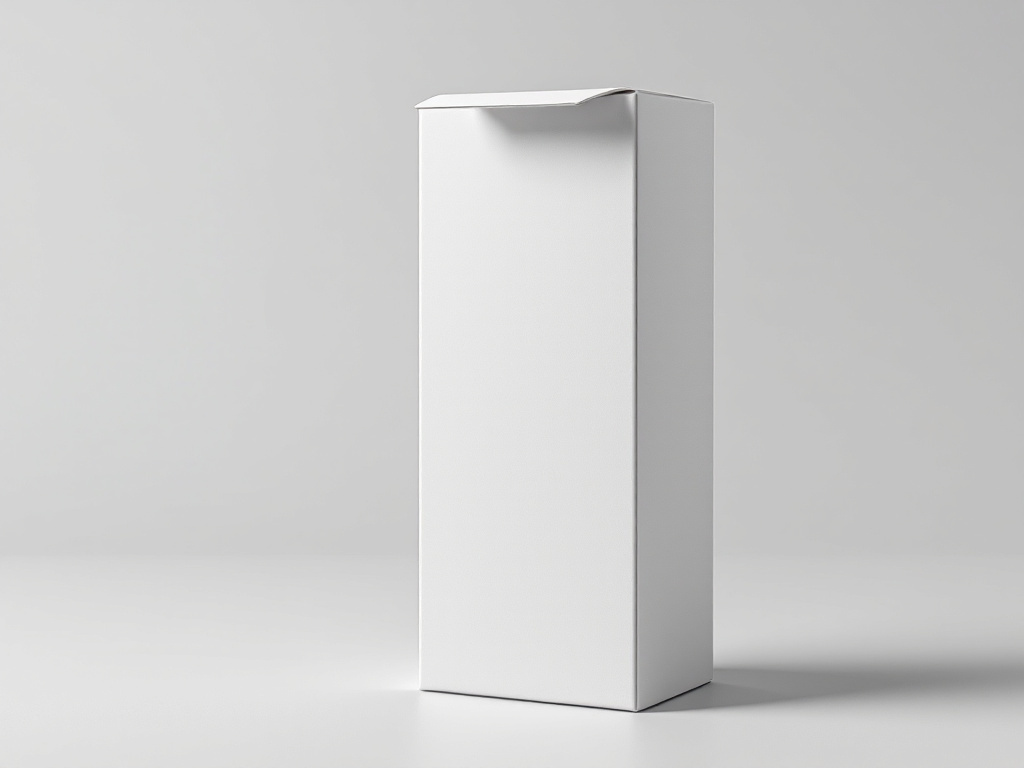
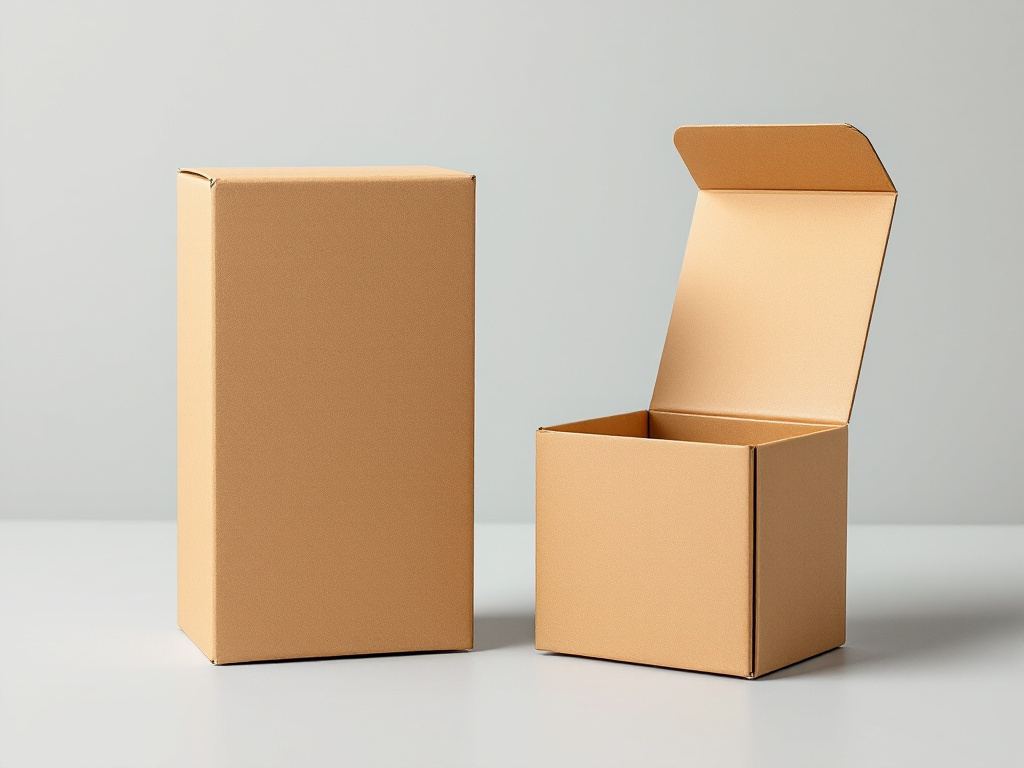
A paperboard carton where the top and bottom flaps both tuck in from the same panel side, so the front panel reads as one continuous surface from top edge to bottom edge. Prototyped and printed in New York City.
Construction
Both flaps tuck from the same panel side
Side Seam
Glued during converting
Options
Window patching sized to the product, not a template
Finishing
Matte, gloss, foil, and window
A straight tuck end box — STE for short — is a paperboard carton where the top and bottom flaps both tuck in from the same panel side, so the fold direction is identical at both ends of the carton. That symmetry is what separates it from its closest relative, the reverse tuck end box, and it's what gives an STE carton a consistent, uninterrupted front panel that's easy to print edge to edge. Buyers also call these custom straight tuck end boxes or custom tuck boxes once sizing and print are locked to the product. We prototype and print straight tuck end boxes in New York City, from a single sample dieline through a full production run.
STE Construction: Same-Side Flap Folding
Every straight tuck end box starts as a folded paperboard blank with a glued side seam, plus a top flap and bottom flap that each tuck into slots cut along the side panels. On an STE box, both of those flaps fold in from the same side — typically the front — so the tuck direction at the top matches the tuck direction at the bottom. That's the defining structural trait of the style, and it's what makes the front panel read as one continuous surface from top edge to bottom edge, rather than switching fold direction partway down.
Straight Tuck End vs. Reverse Tuck End
The alternative construction, reverse tuck end (RTE), folds its flaps in opposite directions — the top flap tucks in from the front, the bottom flap tucks in from the back. That hides the bottom tuck seam behind the carton, at the cost of breaking the front panel's fold consistency at the top edge. Straight tuck end keeps both folds on the same side instead, which is why it's the construction we reach for when a design needs a clean, predictable graphic path down the entire face of the box, without planning around a fold that changes direction halfway through. That uninterrupted face is also why high end brands often pair the construction with premium finishes like foil or spot UV rather than leaving the panel plain, and why custom straight tuck end orders are common wherever brand-first shelf presence matters more than a hidden seam.
Window Patching on Straight Tuck End Boxes
Because the front panel on an STE box is a single continuous surface, it's a strong candidate for window patching — die-cutting an opening in the panel and gluing a clear film behind it so the product itself becomes part of the packaging graphics. We handle window patching alongside standard die-cutting, sizing and placing the window to the product rather than a stock template. The surrounding panel still carries full logo art and brand colors, so the window becomes one design element rather than the whole story.
Typical Uses
Straight tuck end boxes are a standard construction for retail cartons — cosmetics and personal care packaging, over-the-counter and supplement boxes, small electronics accessories, and other compact consumer goods sized to sit upright on a shelf. The same construction holds up for medium-weight products moving through e-commerce shipping, not just shelf display. It's also a common format for custom gift boxes and presentation cartons, where the clean, unbroken front panel gives artwork or a window more room to work with than a construction that breaks the fold partway down.
Straight Tuck End Boxes vs. the Tuck End Family
Straight tuck end is one construction inside the broader tuck end box family, alongside reverse tuck end. If you're still deciding which tuck-end construction fits your product, that page walks through both styles side by side. For a deeper walkthrough of STE customization options, we've also published a dedicated straight tuck end customization guide.
Custom Sizing, Board, and Printing
We size every straight tuck end box around the product's actual dimensions, sending back a prototype dieline before committing to a production run. Board grade, caliper, and finish — matte, gloss, foil, window — get specced to the product and the shelf presentation the brand needs, all handled alongside printing and die-cutting.
Straight Tuck End Boxes FAQ
What is a straight tuck end box? A straight tuck end (STE) box is a paperboard carton where the top and bottom flaps both fold in from the same panel side, giving the front panel a consistent, uninterrupted fold from top to bottom.
What's the difference between straight tuck end and reverse tuck end? Straight tuck end folds both flaps in from the same side. Reverse tuck end folds them in opposite directions — the top flap from the front, the bottom flap from the back — which hides the bottom seam but breaks the front panel's fold consistency at the top.
Can a straight tuck end box have a window? Yes — the continuous front panel on an STE box makes it a strong fit for window patching, where a die-cut opening is backed with clear film so the product shows through the packaging.
Are straight tuck end boxes available in eco-friendly materials? Yes — kraft paper and uncoated recycled board are both common eco-friendly picks for custom straight tuck end boxes, without giving up print quality.
Whether you need a single straight tuck end prototype or a full production run, we design and print them in New York City, from first dieline to finished carton
Price Your Run
Product dimensions, quantity, and any finish ideas — we will quote structure, material, and print.