Understanding Custom Shopping Bags
In the world of retail and marketing, the concept of custom shopping bag solutions plays a pivotal role both in promoting a business and in contributing to environmental sustainability. The same finishing standards carry over into our luxury packaging.
What are Custom Shopping Bags?
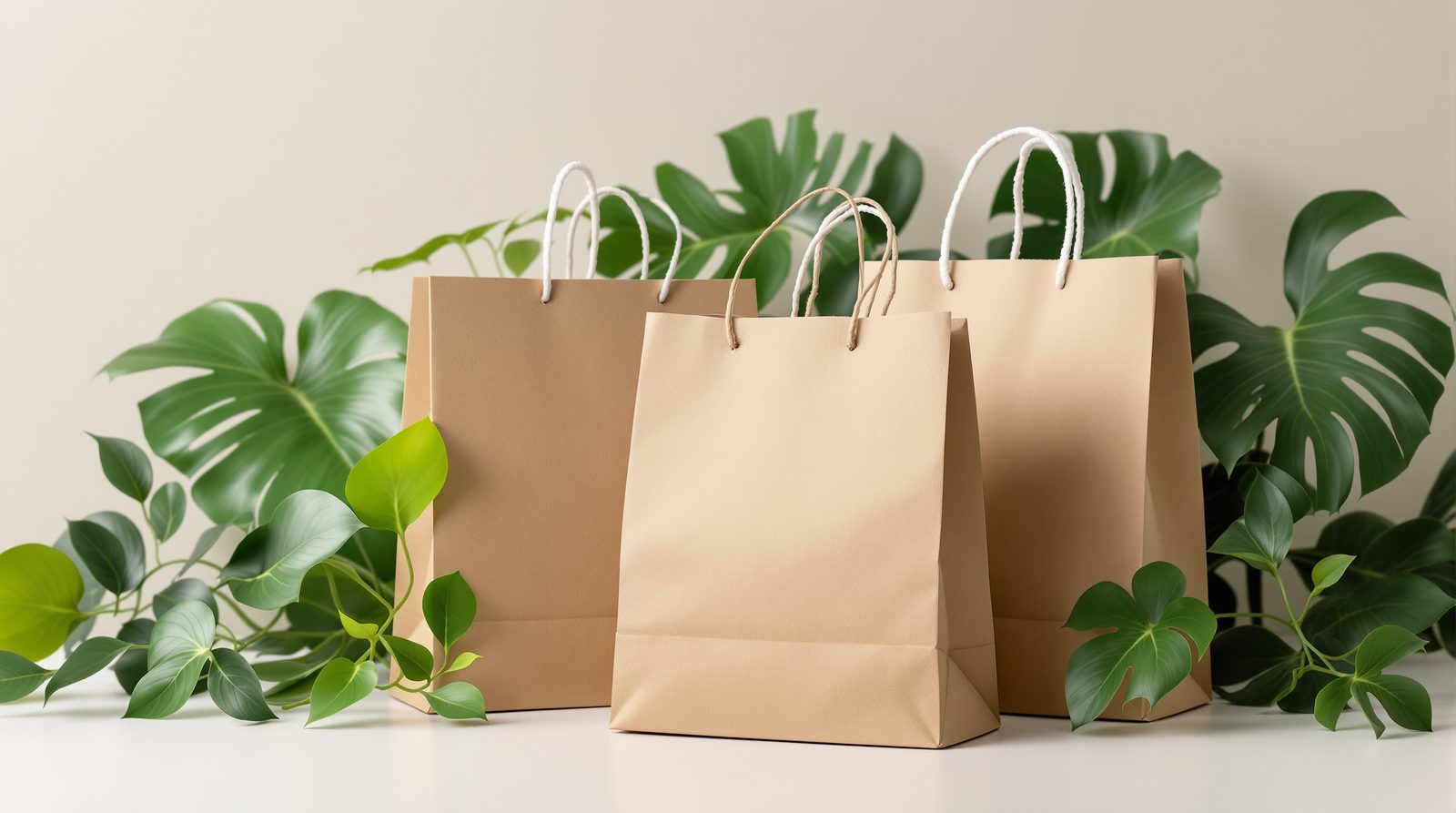
Custom shopping bags, also known as personalized shopping bags, are reusable bags businesses use for packaging and carrying products, commonly made from recycled or sustainable materials and designed for repeat use. They're often seen as tote shopping bags or drawstring bags, with sturdiness that sets them apart from single-use plastic. Retailers pairing a bag program with custom gift boxes often run both against the same brief.
Benefits of Using Custom Shopping Bags
The use of custom shopping bags brings numerous benefits. From a marketing perspective, these bags are an effective tool for promoting a brand's identity. A large share of customers already own reusable bags and use them regularly, which gives a printed logo continuous exposure well past the original purchase. Businesses can have their logos, taglines, and contact information printed on these bags, turning them into mobile advertisements.
From an environmental standpoint, custom shopping bags significantly reduce the negative impact associated with single-use plastic bags. The momentary convenience of single-use plastic bags is overshadowed by their long-term environmental impact. Reusable bags, on the other hand, are made from recycled or sustainable materials and significantly reduce plastic waste.
Moreover, recyclable shopping bags are increasingly being viewed positively by customers, who value businesses that demonstrate environmental responsibility. While the shift to reusable bags may require a change in habit for many shoppers and the bags may need to be cleaned, these minor inconveniences are outweighed by their positive environmental impact.
Material Options for Custom Bags
Choosing the right material for your custom shopping bags can significantly impact their durability, functionality, and environmental impact. Let's explore three commonly used materials for the production of custom recyclable shopping bags: cotton, polypropylene, and jute.
Cotton Custom Bags
Cotton is a widely favored material for custom recyclable shopping bags: it's a renewable, biodegradable resource known for strength and durability, and cotton bags are machine washable, which makes them easy to maintain and reuse over time — a solid choice for businesses balancing sustainability with practicality.
Polypropylene Custom Bags
Polypropylene bags are another sturdy, durable option — recyclable, often made from recycled materials, and strong enough for customers carrying heavy items, with flexible printing options for branding. The tradeoff: they're not biodegradable or compostable, and machine washing isn't recommended. Businesses considering polypropylene should weigh those factors before deciding.
Jute Custom Bags
Jute is a natural plant fiber that's biodegradable, compostable, and remarkably durable — suitable for heavy-duty use, and grown in high-rainfall areas without pesticides or irrigation. Jute bags are less common than cotton or polypropylene, but they're a genuinely eco-friendly alternative for businesses making a green statement.
The right material for your custom bags depends on your business's specific needs and sustainability goals — cotton, polypropylene, and jute each offer distinct advantages.
Pricing a bag run?
Get structure, stock, and finish quoted from your real quantities.
Tote Bags and Reusable Grocery Bags
Tote bags are the most familiar form custom reusable shopping bags take, and reusable grocery bags are one of the most common everyday uses for them. Grocery bags need more structural attention than a boutique tote — a reinforced bottom and sturdy handles matter more when the load is heavier and the fabric gets loaded and unloaded repeatedly.
For retailers or grocers ordering bulk grocery bags in cotton, jute, or polypropylene, standardizing on one reusable tote bags program across locations beats sourcing different bags per store. Weighing reusable tote bags against single-use options means factoring in fabrics, expected reuse, and how the bags actually get cleaned between uses.
The Environmental Impact of Shopping Bags
Understanding the environmental impact of shopping bags matters for any business weighing custom reusable bags against plastic.
Plastic Bags and the Environment
Plastic bags have been a common sight in retail for years, but their environmental impact is significant. Approximately 8 percent of the world's total oil production is used to make plastic, and 12 million barrels of oil are used to manufacture the 30 billion plastic bags consumed in the United States each year — bags that are typically used for a mere 12 minutes each before becoming waste (Yale Ledger).
Beyond the cost of managing that waste, plastic bags have a profound impact on wildlife: an estimated 1 million marine birds and 100,000 marine mammals die from plastic ingestion every year, on top of their contribution to ocean garbage patches and habitat loss (Yale Ledger).
While single-use plastic bags are technically recyclable, most recycling facilities do not accept them due to the difficulty of processing, resulting in most plastic bags ending up in landfills or as litter.
Custom Reusable Bags and the Environment
Custom reusable bags, such as custom shopping bags and recyclable shopping bags, offer a more eco-friendly alternative to single-use plastic — but they have their own environmental considerations too.
The production of custom reusable bags requires significantly more energy and resources compared to plastic bags — one widely cited study found that a reusable bag must be used at least 131 times to break even with the footprint of a single-use plastic bag on a full life-cycle basis, including production, transportation, and disposal. Some custom reusable bags are made from recycled materials, which helps offset that gap and supports a more circular economy. Used enough times, reusable bags still come out ahead — which is why durability and actual reuse matter more than the material label alone. Businesses thinking about investing in custom reusable shopping bags should weigh these tradeoffs going in.
Certifications for Custom Shopping Bags
Ensuring that your custom shopping bags are truly eco-friendly involves more than just opting for recyclable materials. Certifications such as the Global Recycled Standard (GRS), the Recycled Claim Standard (RCS), and the CalRecycle Certification serve as confirmations of a product's environmental credentials.
Global Recycled Standard (GRS)
The GRS guarantees the content and origin of recycled materials in a product, including custom recyclable shopping bags: at least 20% of the pre- and post-consumer recycled material has to be certified by an accredited third party, and the standard also covers labor rights and wastewater treatment across the manufacturing process (source).
Recycled Claim Standard (RCS)
The RCS verifies the same kind of recycled-content claim, with the same 20% third-party-certified threshold, but allows a "mass balance" approach — the certified recycled material is tracked through production rather than requiring the finished product to be 100% recycled (source).
CalRecycle Certification
In California, the CalRecycle certification ensures that reusable bag manufacturers meet the state's stringent requirements for reusable shopping bags. After California voters approved a ban on single-use plastic bags in 2016, standards for reusable shopping bags were established, which includes requirements such as:
- Bag must feature a handle
- Bag must accommodate at least 125 uses
- Bag must have a volume capacity of at least 15 liters
- Bag must be machine washable or able to be cleaned and disinfected
- Bag must have specific information printed on the bag or tag
The list of certified reusable bag producers is short, and it skews toward plastic bag manufacturers. CalRecycle publishes the current roster, which is worth checking directly rather than taking a supplier's word for its status.
Working with a producer on that list is how a California retailer confirms a reusable bag actually meets the state's requirements rather than assuming it does.
Choosing custom shopping bags with the right certifications is what turns a general intention to do better into a claim that holds up when a customer or a regulator checks it.
Implementing Custom Shopping Bags in Business
Implementing custom shopping bags in your business touches marketing, customer perception, and in some states, legal compliance.
Customer Perception of Custom Bags
In the current market, sustainability is not just a trend, but a factor that influences consumer behavior. Shoppers increasingly express a preference for products that use recyclable packaging materials, which is a sign that sustainability plays a real role in customer buying habits.
By offering custom shopping bags, businesses can demonstrate their commitment to sustainable practices, enhancing their reputation among environmentally-conscious customers.
Legal Requirements for Custom Bags
In addition to marketing benefits and positive customer perception, compliance with legal requirements is another key reason for businesses to consider implementing custom recyclable shopping bags.
Several U.S. states, such as California and New York, have enacted plastic ban laws to mitigate plastic pollution, leading to many retailers carrying reusable shopping bags. California's requirements — covered above under CalRecycle Certification — are the most detailed in the country, and other states considering similar bans tend to reference them as a starting point. The plastic bag and sack industry is still projected to grow, which is part of why both businesses and consumers should stay aware of ways to reduce unnecessary pollution (Source).
By offering custom recyclable shopping bags, your business can stay compliant with local laws, while also promoting sustainability and reaping marketing benefits.
Care and Maintenance of Custom Shopping Bags
Investing in custom recyclable shopping bags is a green initiative that benefits both the environment and businesses. However, to maximize the lifespan and efficiency of these bags, proper care and maintenance are crucial. This includes cleaning, understanding their lifespan and reusability, and knowledge about their disposal and recycling.
Cleaning Custom Shopping Bags
Custom reusable bags that aren't cleaned regularly can become a breeding ground for bacteria, so it's worth cleaning them on a schedule. The method depends on material: cotton bags can be machine washed, while polypropylene bags — strong and recyclable but not machine-washable — get wiped down with a damp cloth and mild detergent, then air-dried.
Lifespan and Reusability of Custom Bags
As covered above, reusable bags only pay off environmentally if they're actually reused many times over — which is the whole argument for choosing durable materials in the first place. Cotton and hemp tote bags are extremely strong and hold up well with basic care, while polypropylene grocery bags and jute totes each have their own durability profile depending on how they're used and stored.
Disposal and Recycling of Custom Bags
When a custom shopping bag reaches the end of its life, it's important to dispose of it responsibly. Polypropylene bags are recyclable, and cotton bags are biodegradable. However, recycling facilities for these materials may not be available in all areas, so it's important to check with local waste management facilities.
Some manufacturers also offer take-back programs, which ensures the materials get properly recycled rather than landfilled at end of life. Educating customers on proper care is a strategic move for businesses, too — it's what turns a durable bag into one that actually gets reused instead of tossed after a few trips.
Related Shopping Bag Articles
More packaging resources: Tuck End Boxes · Seal End Boxes · Straight Tuck End Boxes
Upgrade Your Packaging Game!
Looking for custom boxes, bags, mailers, or industry-specific solutions like healthcare, gift, or retail packaging? At VSL Packaging, we create packaging that elevates your brand and protects your product beautifully.
Get a FREE Packaging Consultation with Our Experts Today! Let's turn your packaging needs into powerful brand statements.