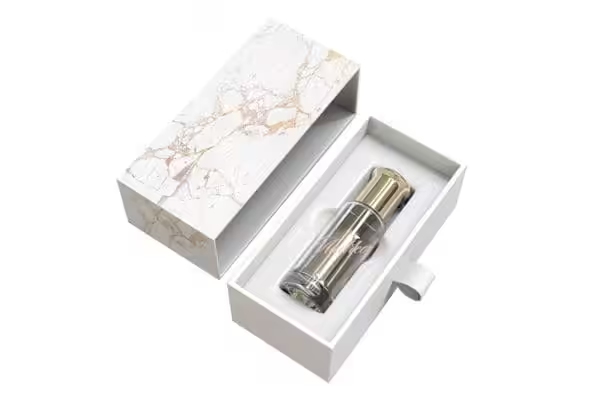
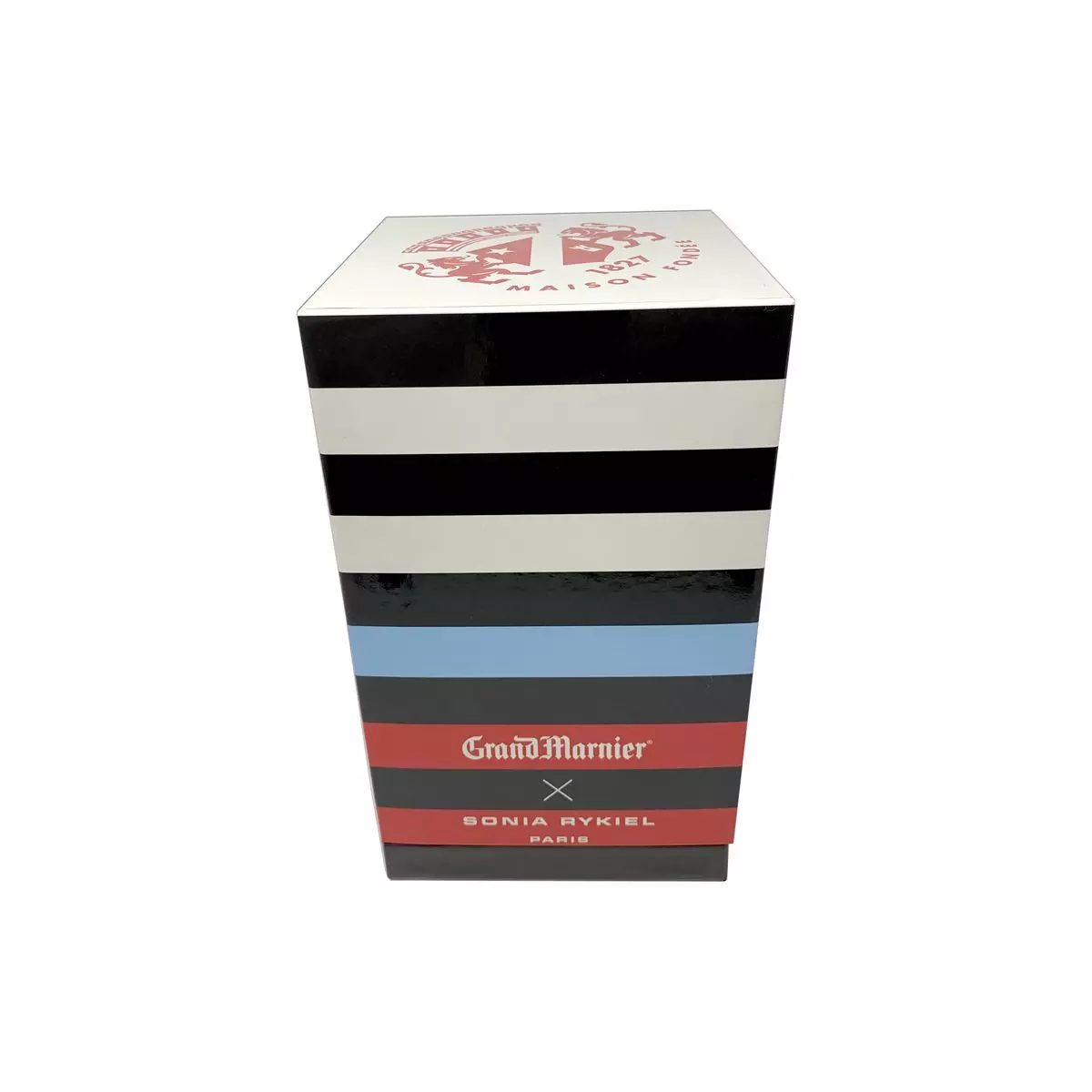
A telescope box is a two-piece rigid box where the lid slides down over the base the way a cap slides over a pen — no glue, no tuck flaps, just a snug friction fit between two shells. The name comes from that sliding action, the same way a telescope's tube sections slide over each other. VSL Packaging builds custom telescope boxes and telescopic boxes in New York City, from a single prototype to a full production run, and this guide covers the types of telescopic boxes, the benefits, and a few practical tips for speccing one correctly. That same expertise extends to slotted containers as well.
Full vs. Partial Telescoping Construction
The first choice on any telescope box is how much of the base the lid covers. A full telescope box has a lid deep enough to reach the bottom edge, enclosing the base completely with no bare board showing on any side — the more protective option, since the lid does double duty as closure and outer graphic surface. Partial, or half, telescope boxes use a shorter lid that covers roughly a third to two-thirds of the base height, leaving a band of the base exposed. That's not just a way to save on board, though it does use less material per unit at bundle quantities — it also opens up a second color or a printed base pattern that only shows once the lid is on.
Telescopic boxes built either way share the same core mechanic: a base tray and a separate outer box, or lid, that fits down over it.
Benefits of Telescope Boxes for Retail and Shipping
The lift-off lid is the format's biggest advantage at retail. A customer opens a telescope box the way they'd open a gift, not the way they'd tear into a shipping carton, which makes the format a natural fit for gift packaging and apparel. It's also a genuine option for shipping boxes: a deep-lid, full telescope box adds real crush strength along the base wall, since the outer box overlaps and reinforces the base rather than relying on tape and flaps to hold a shape. For lightweight, well-protected products, a well-built telescope box can be shipped without an outer shipping carton at all.
Planning a packaging run?
Get structure, materials, and finish quoted from your real quantities.
Choosing the Right Size and Quantity
Custom mailer versatility in shape and size is one of the reasons a telescope box earns its keep — we don't stock a fixed catalog of sizes; we draw the dieline around the product. A small jewelry or accessory item might need a telescope box closer to 4 x 4 x 2 inches, while a folded garment or gift set often needs something closer to 10 x 8 x 4, and a bundle of items packed together can push toward 12 x 10 x 6 or larger. Whatever the target size, fit is the goal: too much room inside a telescope box lets the contents shift, and too little makes the lid hard to seat.
Quantity affects both price and lid depth choice. A short run for a product launch usually makes sense with digital printing, while bundle quantities shipped month over month are where flexographic printing and a simplified lid depth keep the price down per unit.
Common telescope box sizes span a wider range than most people expect, and the figures above are illustrations rather than a stock list. At the large end, a flat, garment-style telescope box built around a coat or a framed piece can reach a footprint on the order of 24 x 48. Every telescope box is still drawn around the exact dimensions of what you send us, so treat any published figure as a reference point rather than a fixed option.
Lid Depth: Slip Lid vs. Deep Lid
Lid depth is a separate variable from full-versus-partial coverage. A shallow lid, sometimes called a slip lid, covers an inch or two of the base and works mainly as a dust cover — common on board games and other flat, rigid products that don't need side support. A deep lid extends further down the base wall, adding crush strength so telescopic boxes do more of the protective work themselves rather than relying entirely on foam or inserts underneath. Products that are fragile or loosely packed generally do better under a deeper lid; rigid, self-supporting items can run with a shallower one. Either way, the added strength makes a real difference once a box is stacked or shipped alongside other boxes in a case.
Custom Printing on the Lid and Base
Because a telescope box splits into two independent panels, custom printing has to be planned as two coordinated jobs rather than one continuous wrap. The lid is what a customer sees first, so it usually carries the primary logo or hero graphic; the base can match the lid's palette for a seamless closed look, or add a contrasting graphic that only shows on a partial-telescope build where a strip of the base stays visible. If a lid graphic needs to align with a base pattern, both dies need to be proofed together — registration matters more here than on a one-piece carton. Our finishing options, including foil stamping, embossing, and spot UV, apply to either panel, so a debossed lid paired with a matte base is a normal spec rather than a special request.
Telescope Boxes vs. Other Box Formats
Shoulder boxes use a similar base-and-lid idea, but the base includes a raised inner shoulder the lid rests on instead of covering, so part of the base wall stays visible even at a full close. One-piece rigid boxes don't separate into two components at all — they open on a hinge, trading the lift-off feel of telescopic boxes for a lower part count. And where a telescope box is built for presentation as much as protection, a plain slotted container is built purely for shipping, with none of the closed, gift-ready look a telescope lid gives a product on a shelf. None of these formats is strictly better than the others; the right one depends on how the box needs to open and what the product needs to survive.
Tips for Speccing and Testing a Telescope Box
Send us the product's dimensions and a target quantity, and our design team will spec construction type, lid depth, and print layout before a die is cut. We build a physical prototype before any order goes to production, so you can test the fit and confirm the lid seats correctly before committing — a rendering can't tell you how long it takes to seat a lid or whether it feels loose, but a prototype can. That same prototype-before-production process is what makes sure telescopic boxes designed for a fragile product actually have the strength to protect it once it's shipped, and testing the fit on a sample is the cheapest way to add confidence before a full run of shipping boxes goes out the door.
Ready to get a quote? Our custom packaging solutions company NYC approach means the same team that designs your telescopic boxes also prototypes, prints, and produces them, from a single sample to a full production run.
Contact VSL Packaging today to discuss your telescope box requirements. Reach our team at sales@vslpackaging.com or 1.646.843.0800.
Related Mailer Articles
- Straight Tuck End Box: Key Features & Customization Options
- Bespoke Hospitality Gift Mailers for VIP Guests: Crafting Memorable Luxury Gifts
- Biodegradable Poly Mailer: Eco-Friendly Packaging Guide
More packaging resources: How Does Branding Influence the Packing of a Product?